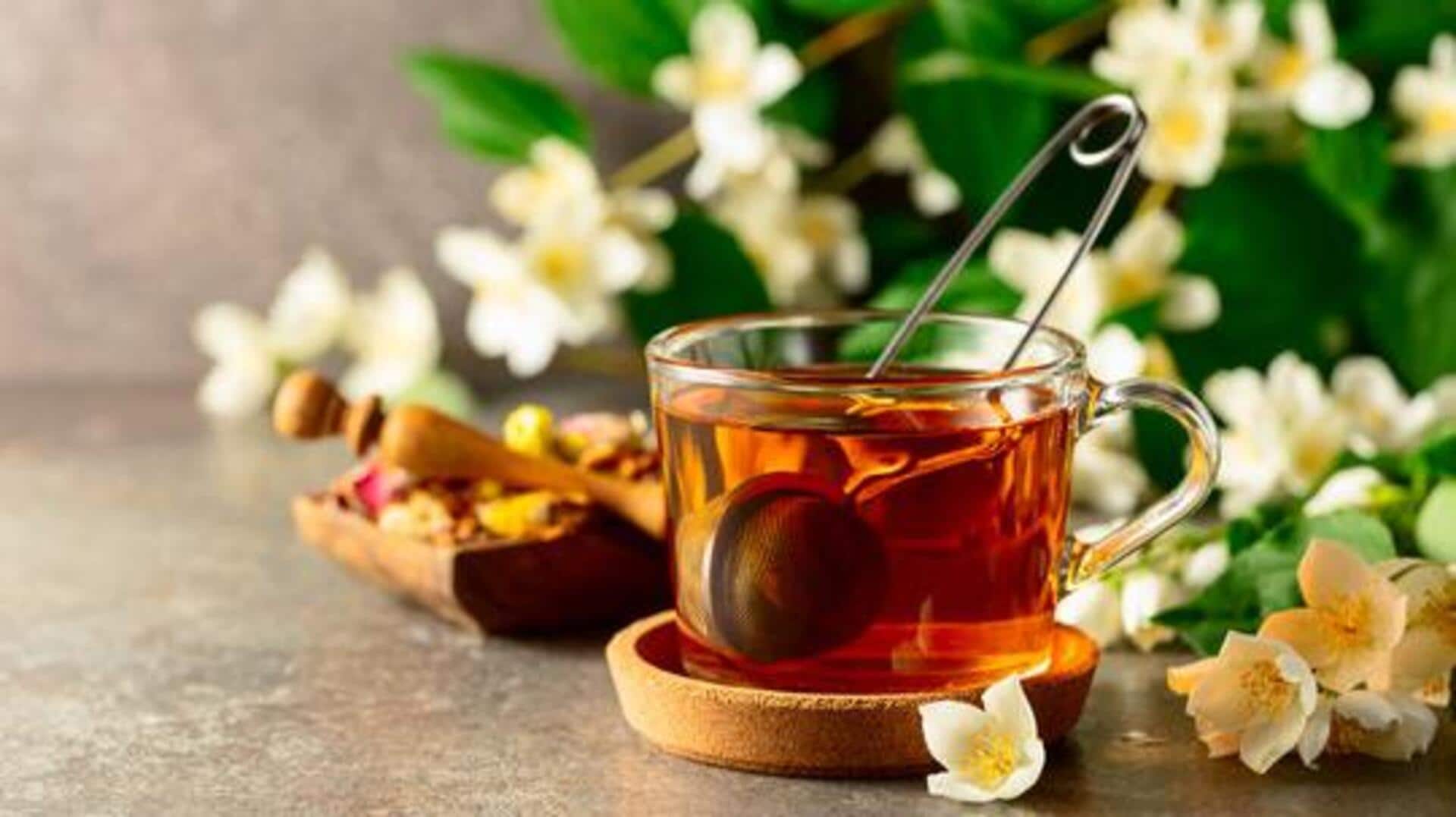
What everyone gets wrong about herbal teas
What's the story
Herbal teas have long been the subject of various health claims, some of which are more myth than fact. From improving digestion to boosting immunity, the benefits of herbal teas are often exaggerated. While they can be a soothing alternative to regular tea or coffee, it is important to separate fact from fiction. Here is a look at some common myths about herbal teas and their real impact on health.
#1
Myth: Herbal teas can cure diseases
One common myth is that herbal teas can cure diseases.
While some herbs may have properties that support health, they are not a substitute for medical treatment.
For example, ginger tea is often touted for its anti-inflammatory effects, but it should not be relied upon as a cure for chronic conditions.
It is important to consult healthcare professionals for disease management, rather than relying solely on herbal remedies.
#2
Myth: All herbal teas are safe
Not all herbal teas are safe for everyone.
Some herbs can interact with medications or cause allergic reactions in certain individuals.
For instance, chamomile may cause an allergic reaction in those who are allergic to plants in the daisy family.
It is essential to know the ingredients of the tea and consult with a healthcare provider if you have concerns about potential interactions or allergies.
#3
Myth: Herbal teas aid significant weight loss
Another common misconception is that drinking herbal teas leads to significant weight loss.
While some herbs might boost metabolism slightly or suppress appetite temporarily, they do not lead to noticeable weight loss on their own.
A balanced diet, and regular exercise are key components of any effective weight management plan, rather than relying solely on herbal teas.
#4
Myth: All herbal teas are caffeine-free
Many assume all herbal teas are caffeine-free, but that is not true.
Some blends may include ingredients with natural caffeine content or be mixed with traditional tea leaves that contain caffeine.
If you are looking for a caffeine-free option, check product labels carefully before consuming them, especially if you are sensitive to caffeine or trying to limit its intake.
#5
Myth: Herbal teas improve skin health instantly
The idea that drinking herbal teas will instantly improve skin health is misleading.
While some ingredients, like green tea, may have antioxidants beneficial for skin when applied topically, drinking them does not guarantee instant results.
A comprehensive skincare routine and healthy lifestyle choices play a much larger role in maintaining healthy skin than just consuming specific types of beverages alone.