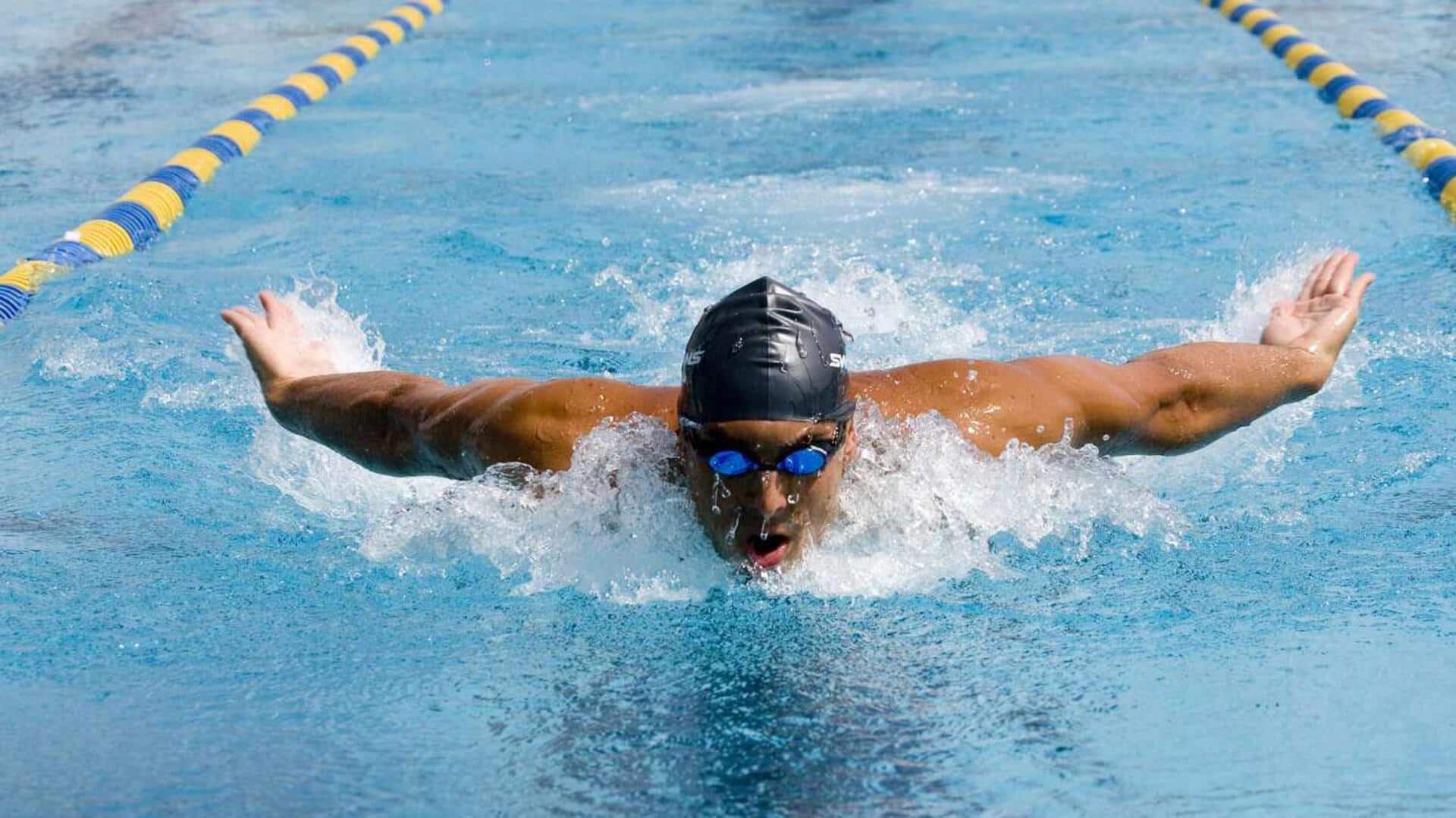
Hiking or swimming: Which is better for your heart?
What's the story
Hiking and swimming are two popular activities that not only provide a refreshing break from daily life but also help improve cardiovascular health. Both activities have their own unique benefits, making them ideal for different preferences and lifestyles. While hiking allows you to enjoy nature and engage in weight-bearing exercise, swimming offers a low-impact workout that can be done indoors or outdoors. Here's how these activities affect your heart health.
#1
Cardiovascular benefits of hiking
Hiking is a great way to improve cardiovascular health as it gets your heart pumping and increases blood circulation.
The uneven terrain of hiking trails also makes your muscles work harder, which improves your endurance over time.
Studies have shown that regular hiking can lower the risk of heart disease by as much as 50% when compared to sedentary lifestyles.
It also helps in reducing stress levels, which is good for your heart.
#2
Swimming's impact on heart health
Swimming is a low-impact exercise that is ideal for people of all ages and fitness levels.
It works out all major muscle groups, which increases your heart rate without putting too much pressure on your joints.
Swimming regularly can increase your cardiovascular capacity by as much as 10% to 15%.
The rhythmic nature of swimming also helps in regulating breathing patterns, which benefits overall heart function.
#3
Mental health benefits associated with hiking
Besides physical benefits, hiking also offers mental health benefits that indirectly contribute to cardiovascular well-being.
Spending time in nature has been proven to reduce stress levels and improve mood through the release of endorphins.
This reduction in stress can lead to lower blood pressure and a decreased risk of developing hypertension-related heart issues.
#4
Social interaction opportunities in swimming
Swimming also provides opportunities for social interaction, which is important for mental well-being and indirectly for heart health.
Joining a swim club or participating in group classes encourages socializing with others who share similar interests in fitness activities.
These interactions can reduce feelings of loneliness or isolation, both of which are risk factors for poor cardiovascular health outcomes.