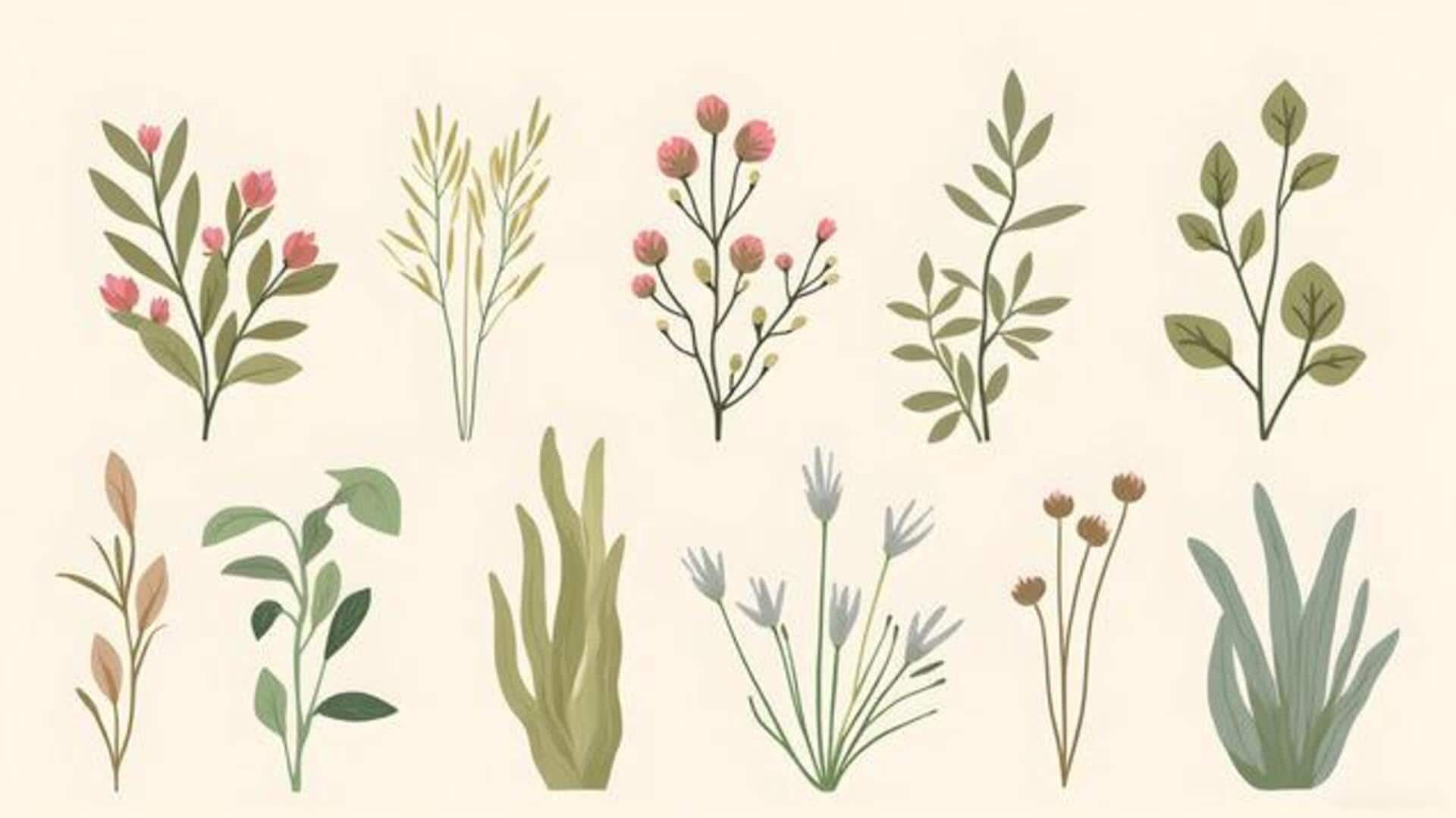
How African artists are redefining botanical art
What's the story
African artists are making waves in the world of botanical art, adding their own unique touch to the centuries-old tradition. Their work not only highlights Africa's rich biodiversity but also redefines how we look at botanical illustrations. By adding cultural perspectives and innovative techniques, these artists are redefining the genre, making it more inclusive and diverse. Here's how they're doing it.
#1
Embracing cultural heritage
Many African artists draw inspiration from their cultural heritage, incorporating traditional knowledge and practices into their botanical art.
This approach not only preserves indigenous wisdom but also enriches the artwork with layers of meaning.
By weaving cultural narratives into their illustrations, these artists offer a unique perspective that resonates with both local and global audiences.
#2
Innovative techniques and materials
African botanical artists are also experimenting with new techniques and materials to create their works.
Some use natural dyes or recycled materials to craft sustainable pieces that reflect environmental consciousness.
Others explore digital mediums to reach wider audiences online.
These innovations challenge conventional methods in botanical art while showcasing the versatility of contemporary African artists.
#3
Highlighting biodiversity
One of the key focuses of African botanical artists is highlighting the continent's rich biodiversity.
By illustrating rare or endangered plant species, they raise awareness about conservation issues and celebrate the uniqueness of Africa's flora.
Their work often serves as a visual documentation of biodiversity, contributing to scientific research as well as public appreciation.
#4
Collaborative projects and exhibitions
Collaborative projects are also common among African botanical artists, as they join hands with scientists, conservationists, and other creatives.
These partnerships result in exhibitions that showcase the beauty and importance of plants in Africa.
Through such collaborations, artists can reach wider audiences while contributing to meaningful dialogues about art, science, and conservation.
#5
Education through art
Education is a key component of many African botanical artists' missions.
They conduct workshops or community programs aimed at teaching about plant life and ecological balance through art.
This educational approach not only empowers communities but also fosters a deeper understanding of the interconnectedness between humans and nature through artistic expression.