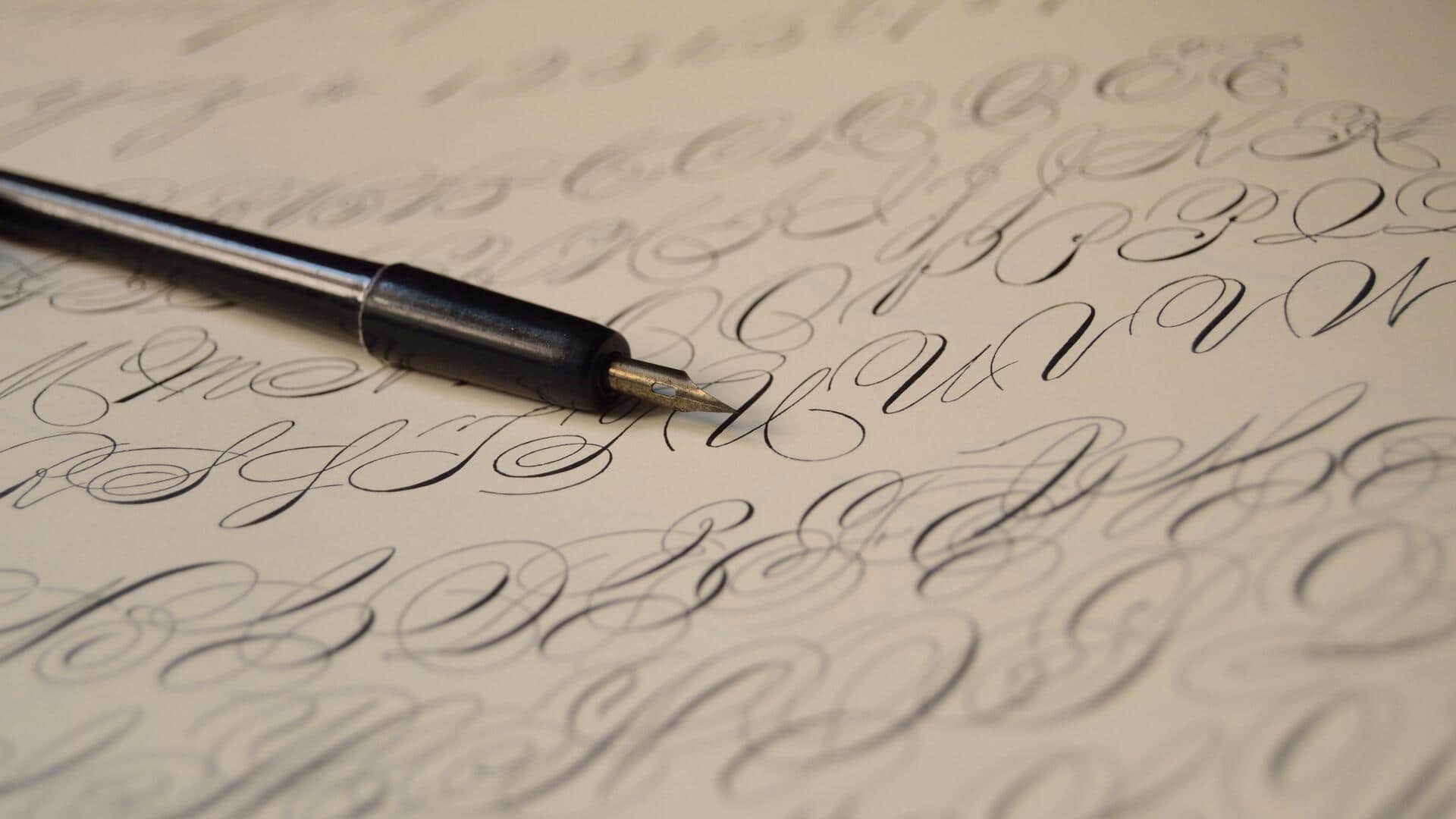
All about African calligraphy
What's the story
African calligraphy is making waves in the world of event invitations, thanks to its distinct aesthetic and cultural depth. The art form, which is centuries old, is now being embraced by designers and clients alike for its capacity to add a personal touch to invitations. From weddings to corporate events, African calligraphy lends an exquisite touch that can make any occasion special. Here's how this traditional art form is being used in modern-day event invitations.
Cultural impact
The cultural significance of calligraphy
African calligraphy is deeply rooted in the continent's history and culture.
Each stroke and symbol has a meaning, often reflecting the traditions and values of various communities.
By incorporating these elements into event invitations, hosts can pay homage to their heritage or simply appreciate the beauty of this art form.
The cultural significance adds depth to invitations, making them not just a message but a piece of art.
Artistic methods
Techniques used in African calligraphy
African calligraphy employs various techniques that differ from region to region.
Most common are bold strokes, intricate patterns, and the use of natural inks or dyes.
These techniques require skill and patience, resulting in unique designs that can't be replicated by machine printing.
The handmade nature of these invitations adds to their charm and exclusivity.
Contemporary styles
Modern adaptations in invitation design
In recent years, we've seen a surge in the popularity of African calligraphy in modern invitation design.
Designers are now mixing traditional scripts with contemporary layouts to create something that appeals to a wider audience.
This fusion allows clients to have the best of both worlds—preserving cultural heritage while also keeping up with modern design trends.
Practical advice
Tips for incorporating calligraphy into invitations
When adding African calligraphy to your event invitations, it is important to pick the right calligrapher who is well-versed with the art form.
Work closely with them to understand how best to integrate these elements without compromising on other design aspects like typography or color schemes.
Also, consider using high-quality paper that complements the intricate work involved in creating these pieces.