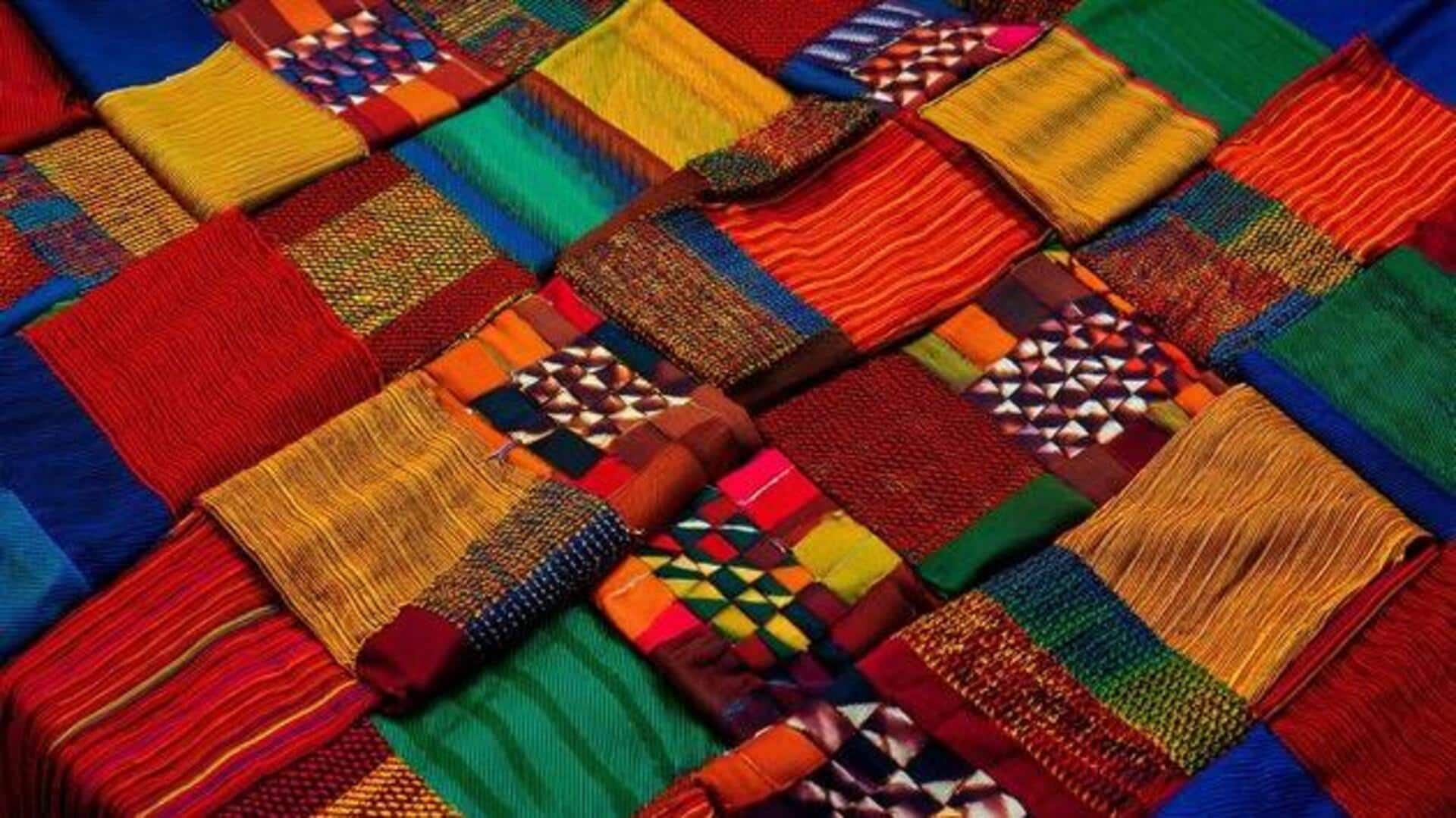
How textile designers are preserving cultural heritage
What's the story
African textile designers are at the forefront of preserving cultural heritage through their unique creations. These designers blend traditional techniques with modern aesthetics, ensuring the rich history of African textiles is not only preserved but also celebrated globally. From vibrant patterns to intricate designs, these artisans play a crucial role in keeping cultural narratives alive. Their work not only supports local economies but also educates the world about Africa's diverse cultural landscape.
#1
Traditional techniques in modern fashion
Many African textile designers are reintroducing traditional techniques like weaving, dyeing, and embroidery into contemporary fashion.
These methods, which have been passed down through generations, are now being employed to create pieces that speak to both heritage and modernity.
By using natural dyes and handwoven fabrics, designers ensure that each piece tells a story of its cultural origins while appealing to today's fashion sensibilities.
#2
Impact on local economies
The textile industry is a major contributor to local economies across Africa.
By employing local artisans and sourcing materials from nearby regions, designers are creating jobs and boosting economic growth.
This not only helps sustain traditional crafts but also empowers communities by providing them with a steady source of income.
The global demand for African textiles has further strengthened this economic impact.
#3
Global recognition and influence
African textile designers are gaining international recognition for their unique styles and techniques.
Fashion weeks around the world have started showcasing their work, exposing global audiences to the beauty of African textiles.
This exposure has led to collaborations with international brands, further amplifying their influence in the global fashion industry.
#4
Educational initiatives for cultural preservation
Many designers are also involved in educational initiatives aimed at preserving cultural heritage through textiles.
Workshops, exhibitions, and mentorship programs are some of the ways they share knowledge about traditional techniques with younger generations.
By fostering an appreciation for these crafts, they ensure that these skills are not lost over time.