How climate change is affecting wildlife
What's the story
Climate change is one of the greatest threats to wildlife worldwide. Rising temperatures, shifting rainfall patterns, and extreme weather events are altering habitats and ecosystems. Animals and plants struggle to adapt to these rapid changes, leading to declining populations and increased risk of extinction. Understanding how climate change impacts wildlife is essential to implementing effective conservation strategies.
#1
Changes in migration and breeding patterns
Climate change disrupts the timing of natural events such as migration and breeding.
Gentoo penguins in Antarctica are now breeding earlier due to their colonies warming much faster than the global average.
Birds and amphibians experiencing such shifts may arrive too early or too late at nesting sites, disrupting food availability and reproduction, putting species unable to adapt at risk of decline or extinction.
#2
Increased threats from extreme weather
Extreme weather events such as hurricanes, floods, droughts, and wildfires are becoming more frequent and severe due to climate change.
These disasters destroy habitats, reduce food availability, and directly harm wildlife.
Animals may struggle to find shelter or migrate to safer areas, and repeated events can cause long-term population declines and weakened ecosystem resilience.
#3
Habitat loss and alteration
As global temperatures rise, many species face shrinking or changing habitats.
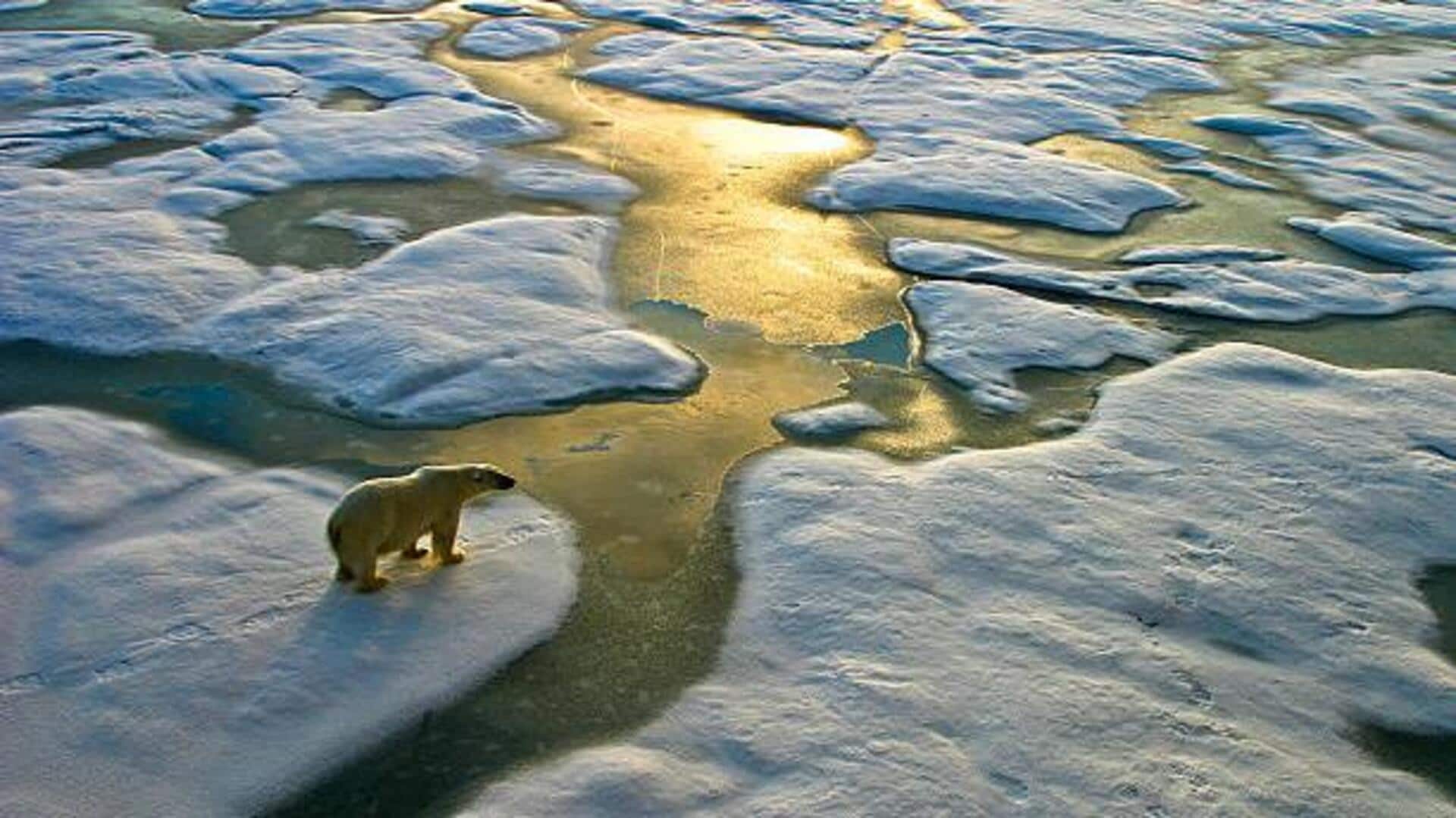
Polar ice melts threaten polar bears and seals, while warming oceans disrupt coral reefs.
Forests experience droughts and fires, displacing countless birds, mammals, and insects.
Habitat fragmentation forces animals into smaller areas, increasing competition for food and shelter, which reduces biodiversity and ecosystem stability.
#4
Ocean warming and acidification
Rising ocean temperatures and acidification threaten marine species like corals, shellfish, and fish.
Coral bleaching destroys reef ecosystems that support thousands of marine organisms.
Acidic waters hinder shell formation in mollusks and affect food chains, impacting birds, mammals, and human fisheries.
Protecting oceans and reducing greenhouse gas emissions is critical to preserving marine biodiversity.
#5
Spread of diseases and invasive species
Rising temperatures and changing climates allow diseases and invasive species to expand into new habitats.
Wildlife may encounter pathogens or competitors they have never faced before, weakening populations.
For example, warmer waters increase the spread of marine diseases, while forests face new pests.
These shifts threaten survival, reduce biodiversity, and disrupt delicate ecosystem balances.