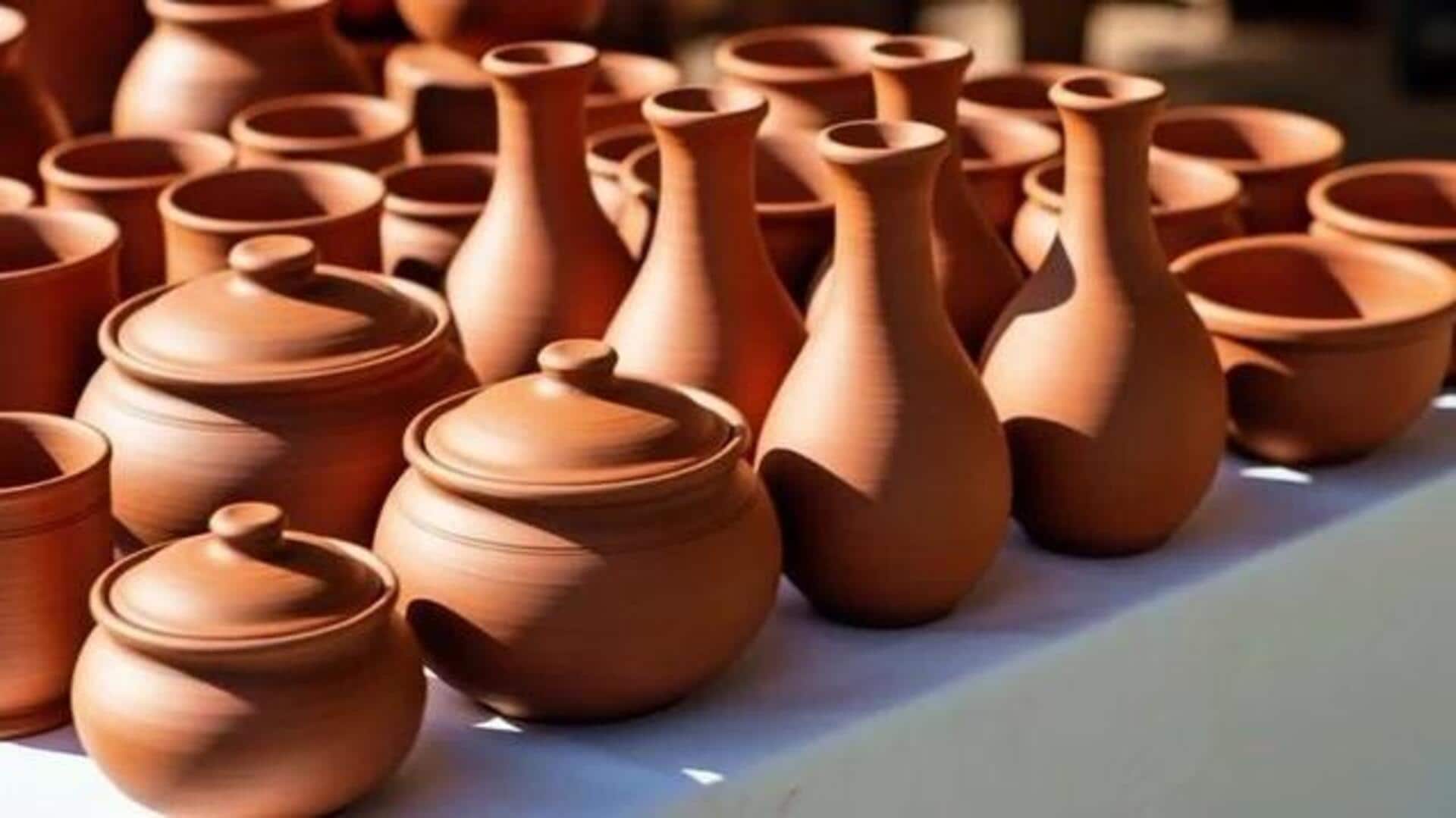
How modern artists are preserving traditional pottery
What's the story
African diaspora ceramicists are preserving and innovating traditional pottery techniques. These artists blend cultural heritage with modern creativity, showcasing the rich history of African ceramics. Their work not only honors ancestral methods but also introduces new perspectives to the art form. By doing so, they contribute to a greater understanding and appreciation of African pottery traditions worldwide.
#1
Blending tradition with innovation
African diaspora ceramicists are redefining traditional pottery by blending age-old techniques with modern creativity. They use traditional methods like hand-building and coiling, but also experiment with new forms and glazes. This fusion results in unique pieces that reflect both cultural heritage and contemporary aesthetics. It allows the artists to preserve their roots while appealing to a broader audience.
#2
Cultural storytelling through ceramics
Ceramics by African diaspora artists often serve as a medium for cultural storytelling. Each piece tells a story or conveys a message rooted in African history and traditions. The artists frequently incorporate symbols or patterns that have personal or communal significance. This way, viewers get a glimpse into the rich tapestry of African culture through the lens of pottery.
#3
Community engagement and education
Many African diaspora ceramicists are actively engaged in their communities, offering workshops and educational programs to share their knowledge of traditional techniques. These initiatives not only empower individuals to learn the art of pottery but also promote cultural awareness. By teaching these skills, they ensure that future generations can continue the legacy of African ceramics.
#4
Global recognition and impact
The work of African diaspora ceramicists is gaining global recognition for its cultural significance and artistic merit. Exhibitions across the world showcase their contributions to the field of ceramics. This exposure not only elevates the status of these artists but also highlights the importance of preserving traditional techniques in a global context.