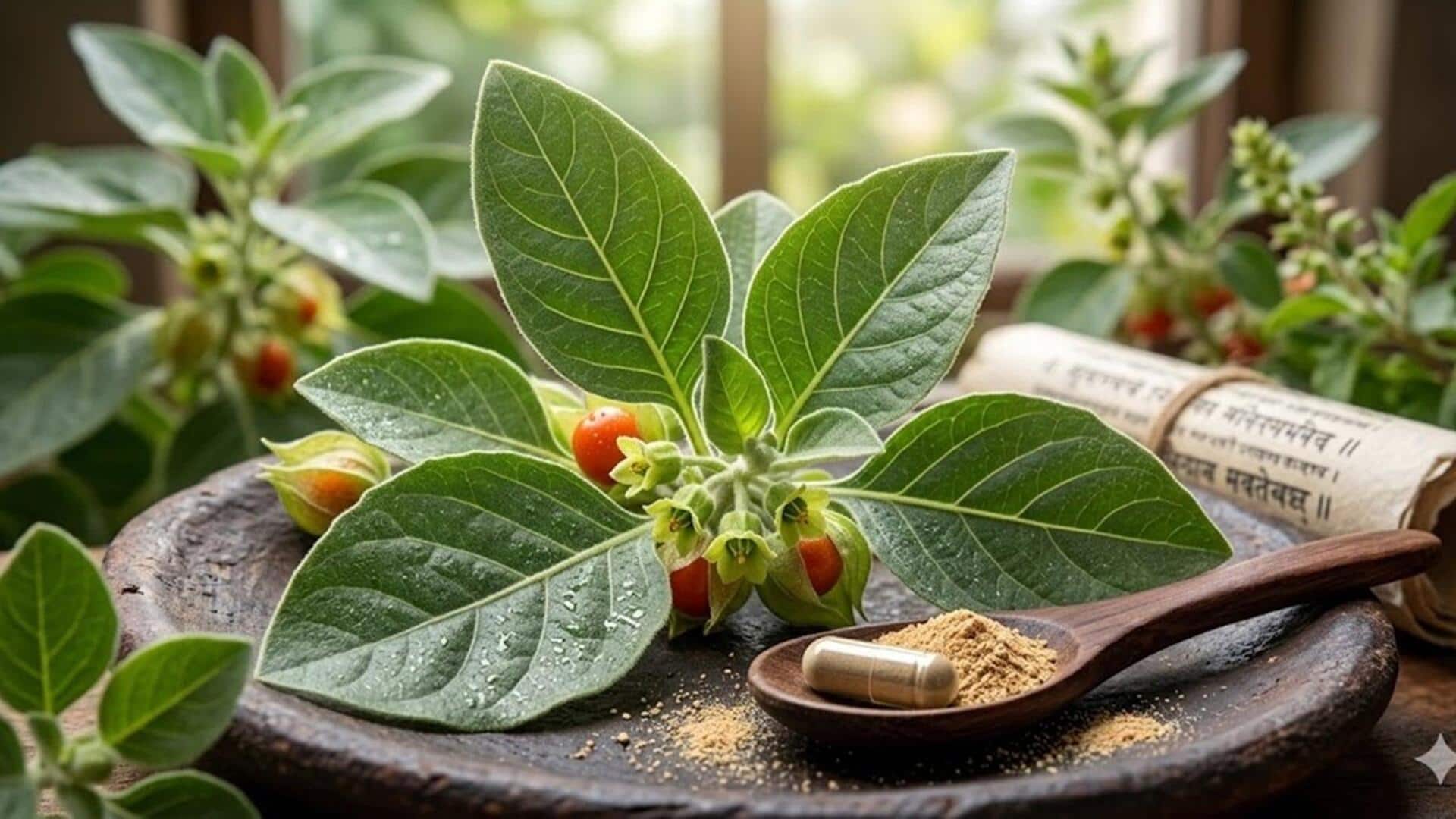
How to grow ashwagandha at home
What's the story
Growing ashwagandha at home can be a rewarding experience, giving you access to this famous adaptogenic herb. Known for its health benefits, ashwagandha is relatively easy to grow if you have the right conditions. With its drought-resistant nature, it can thrive in well-drained soil and warm climates. Here is how you can grow ashwagandha at home, with practical tips on soil preparation, planting, watering, and harvesting.
Soil preparation
Preparing the soil for Ashwagandha
Ashwagandha prefers sandy or loamy soil with good drainage.
To prepare the soil, mix organic compost or well-rotted manure to improve fertility.
The pH level of the soil should be between seven and eight for optimum growth.
Avoid waterlogging by ensuring proper drainage channels in your garden bed or pots.
Seed planting
Planting seeds at the right time
The best time to plant ashwagandha seeds is during the warmer months when temperatures are consistently above 20 degrees Celsius.
Sow the seeds directly into the prepared soil about one centimeter deep, spacing them around 30 centimeters apart.
Cover lightly with soil, and water gently to avoid displacing the seeds.
Watering tips
Watering techniques for healthy growth
While ashwagandha is drought-resistant, regular watering is essential during its initial growth phase.
Water the plants deeply, but infrequently, once established, allowing the topsoil to dry out between watering sessions.
Overwatering can lead to root rot, so it's important to monitor moisture levels regularly.
Harvesting advice
Harvesting tips for optimal yield
Ashwagandha roots are typically ready for harvest after about six months of growth, when the leaves start turning yellowish-brown.
Carefully uproot the plants using a spade or fork, without damaging roots.
Clean thoroughly under running water before storing in a cool place, away from direct sunlight.