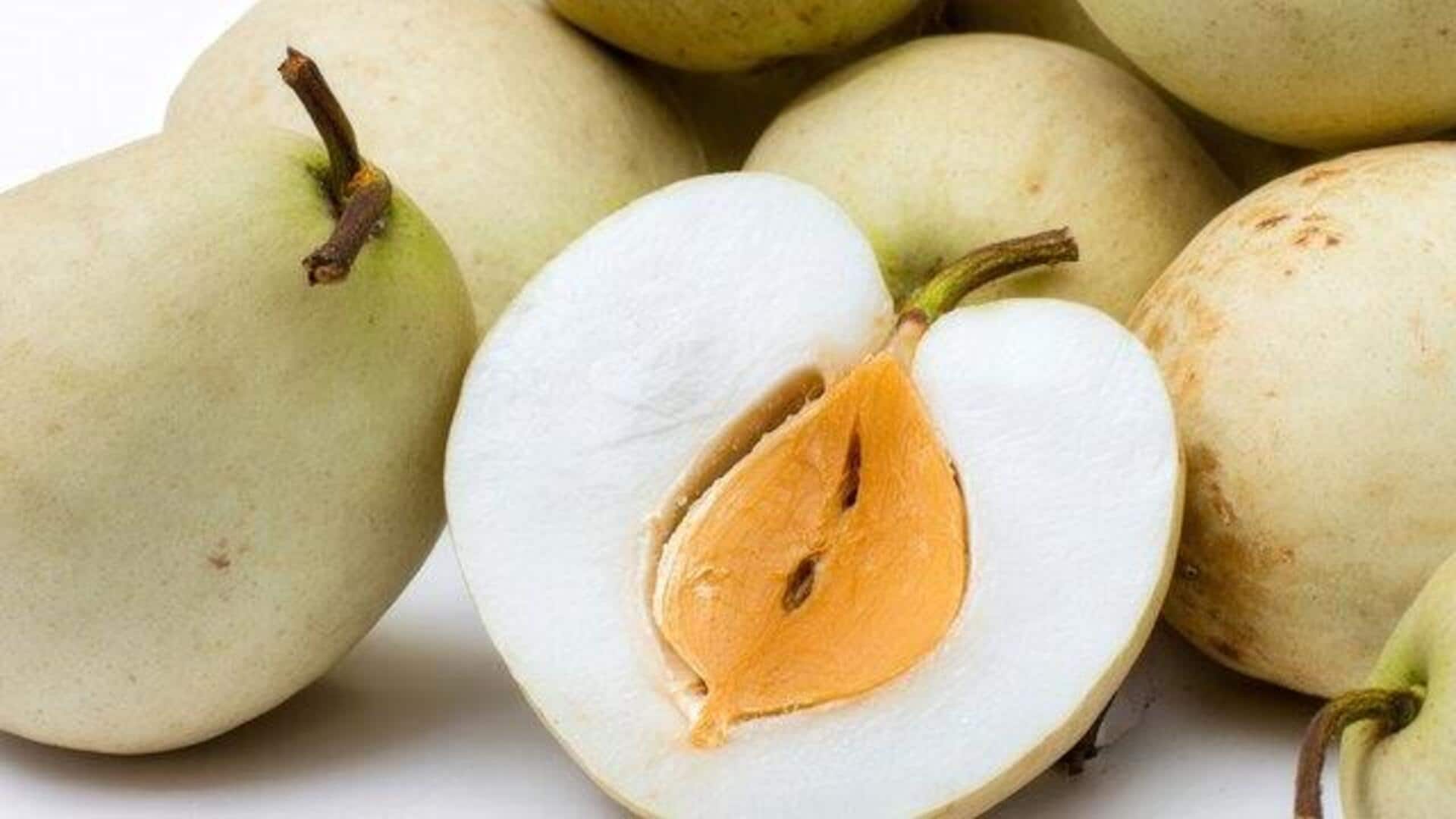
How to grow star apple at home
What's the story
Carissa, commonly known as star apple, is a tropical fruit that can be grown indoors, provided you have the right conditions. The plant is known for its glossy leaves and small white flowers, which eventually turn into sweet fruits. With the right care and attention, you can grow this exotic fruit indoors. Here are some practical tips to successfully cultivate carissa indoors.
Tip 1
Choosing the right container
Selecting an appropriate container is key to growing carissa indoors.
Go for a pot that is at least 12 inches in diameter with good drainage holes.
This will allow the roots to spread while preventing waterlogging.
A terracotta or clay pot is ideal as it allows air circulation and maintains moisture levels.
Tip 2
Providing adequate light
Carissa plants require a lot of sunlight to flourish.
Place your plant near a south-facing window where it can get six to eight hours of direct sunlight every day.
If natural light is insufficient, consider using grow lights to make up for the lack of sunlight, especially during shorter days.
Tip 3
Maintaining optimal soil conditions
The soil you use should be well-draining and rich in organic matter.
A mix of potting soil with sand or perlite will do the trick.
Make sure the soil pH is between six and seven for optimal growth.
Regularly check moisture levels by sticking your finger into the soil; water only when the top inch feels dry.
Tip 4
Regular watering and fertilization
Consistent watering is essential, but avoid overwatering as it can lead to root rot.
Water when the top inch of soil feels dry but ensure excess water drains out of the pot.
Fertilize every four weeks with a balanced liquid fertilizer during the growing season, spring and summer, to provide essential nutrients.
Tip 5
Pruning for healthy growth
Pruning is important to keep your carissa plant healthy and in shape.
Trim back any dead or overgrown branches regularly to promote new growth and improve air circulation within the plant's canopy.
This practice not only encourages the production of more flowers but also helps in achieving a fuller appearance of the plant over time.