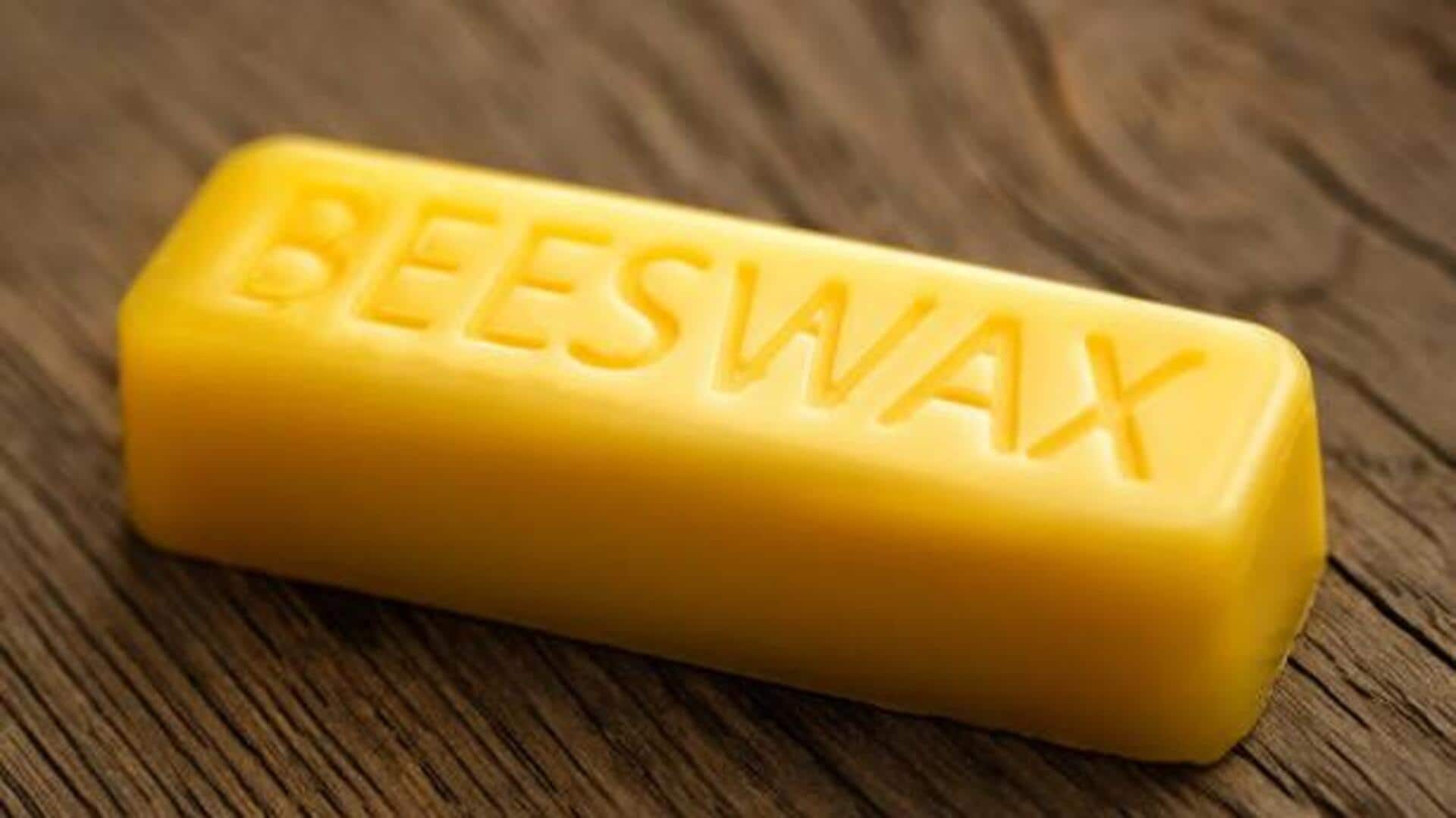
Shop smart: How to spot authentic beeswax
What's the story
African beeswax is a prized commodity, famous for its purity and versatility. However, with the increasing demand, the market is flooded with counterfeit products. Knowing how to identify authentic beeswax is essential for buyers wanting to get the real deal. Here are some practical tips and insights to help you distinguish genuine beeswax from its imitations.
Texture
Check the texture and consistency
Authentic beeswax has a firm yet pliable texture. It should not be too soft or crumbly.
When you press it, real beeswax retains its shape without leaving oily residue on your fingers.
If the product feels too soft or breaks apart easily, it may be mixed with other substances.
Color & scent
Observe the color and scent
Real beeswax has a natural golden-yellow color, which may vary slightly depending on the flowers the bees visited.
It also has a mild, honey-like scent.
If the color looks too bright or the scent is absent, it could be a sign of adulteration or poor quality.
Water test
Conduct a water test
A simple water test can help determine purity.
Drop a small piece of beeswax into water; authentic beeswax will float due to its natural properties.
If it sinks or dissolves quickly, it may contain impurities or additives.
Impurities
Examine for impurities or additives
Genuine beeswax is free from additives and impurities.
Check for any foreign particles or an unusual sheen on the surface, which could indicate contamination with other substances like paraffin or synthetic waxes.
These additives can affect the quality and performance of the beeswax, making it less desirable for certain applications.
Price & source
Consider price and source
While price isn't always an indicator of quality, extremely low prices may indicate compromised authenticity.
Buy from trusted sources with a good reputation in selling high-quality products.
This ensures you get what you pay for, and reduces the risk of getting fake products.