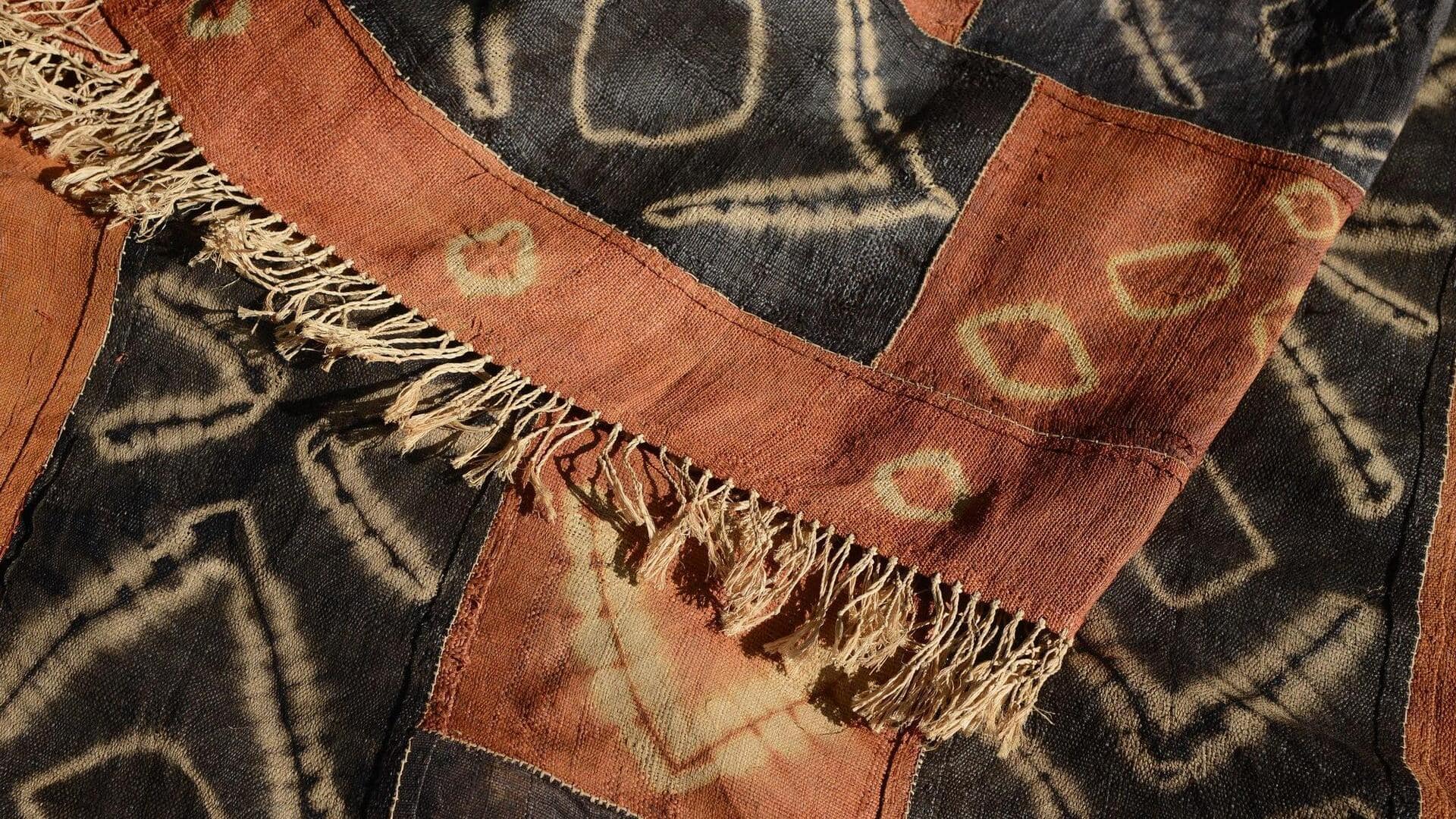
What is kuba cloth?
What's the story
African kuba cloth, a traditional textile from Central Africa, is famous for its intricate patterns and rich history. Made from the leaves of the palm tree, this cloth is not just a fabric but a cultural symbol. Crafting kuba cloth at home can be a rewarding experience, allowing you to connect with African heritage. Here are practical steps to help you create your own kuba cloth.
Materials needed
Gather necessary materials
To start crafting kuba cloth, you need palm leaves, which are the main ingredient. You will also need natural dyes to color the fabric. Other essentials include scissors for cutting the leaves, and a needle and thread for stitching them together. These materials are easily available at local markets or online stores.
Leaf preparation
Prepare palm leaves
Once you have the palm leaves, the first step is to prepare them. Strip the leaves of their outer layer to get to the soft inner fibers. These fibers can be twisted or woven into strips. Soak them in water to make them pliable before using them in your design.
Pattern design
Create intricate patterns
Creating patterns on your kuba cloth is where creativity comes into play. Traditionally, kuba cloth features geometric designs that hold cultural significance. Use natural dyes to add color contrast between different sections of your fabric. Experiment with various shapes and arrangements until you achieve a design that resonates with you.
Assembly process
Assemble your kuba cloth
Once you have prepared your palm fibers and designed your patterns, it's time to assemble your kuba cloth. Stitch the woven strips together using needle and thread, ensuring they are tightly secured so that they hold their shape when worn or displayed. Continue adding more strips until you reach the desired size for your finished product.
Maintenance advice
Care tips for your kuba cloth
To keep your kuba cloth in good condition, wash it gently by hand with mild soap and cold water. Avoid direct sunlight while drying, as it may cause fading over time. Store it in a cool place, away from moisture, to prevent mold growth, ensuring longevity and preserving its beauty.