How to master the art of bartering
What's the story
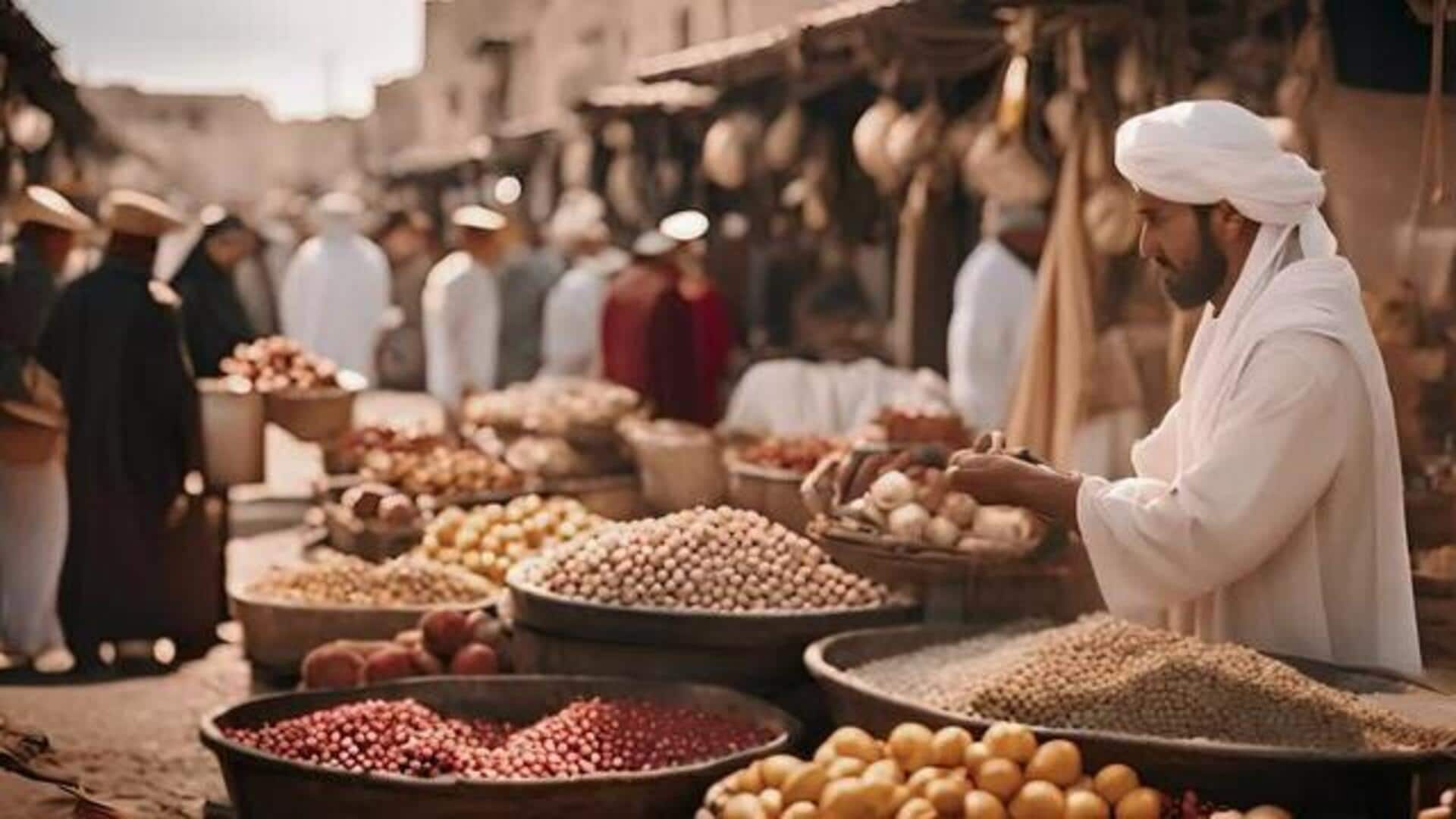
Bartering is one of the oldest forms of trade, where goods and services are exchanged without money. In Africa, this age-old practice continues to thrive, serving as a means of economic survival for many communities. By learning the art of bartering, you can not only save money but also develop sustainable habits. Here's how you can master bartering in Africa and make the most of it.
Tip 1
Understanding local markets
To successfully barter, it's important to understand local markets. Each market has its own pricing and demand dynamics. Spend some time observing how trades are made and what items are commonly exchanged. This knowledge will give you an edge when negotiating deals that are favorable for both parties.
Tip 2
Building relationships
Building relationships is key to successful bartering. Establishing trust with other traders can lead to better deals and more opportunities in the future. Engage in conversations, show respect for cultural practices, and be consistent in your dealings. Strong relationships can make you a trusted trader within the community.
Tip 3
Assessing value accurately
Accurately assessing value is critical when bartering. Know the worth of what you are offering as well as what you want to receive in return. This requires an understanding of market trends and item conditions. Being clear about value helps avoid misunderstandings and ensures fair exchanges.
Tip 4
Practicing negotiation skills
Negotiation is at the heart of successful bartering. Practice your skills by engaging in small trades before attempting larger ones. Be prepared to make concessions, but also stand firm on what you believe is fair compensation for your goods or services. Effective negotiation leads to mutually beneficial outcomes.
Tip 5
Embracing creativity in exchanges
Creativity can make bartering more successful by opening up new opportunities for trade that may not have been thought of otherwise. Think outside the box when it comes to what you can offer or ask for in return—skills like teaching or crafting could complement physical items like fruits or textiles beautifully.