How to explore craft fairs
What's the story
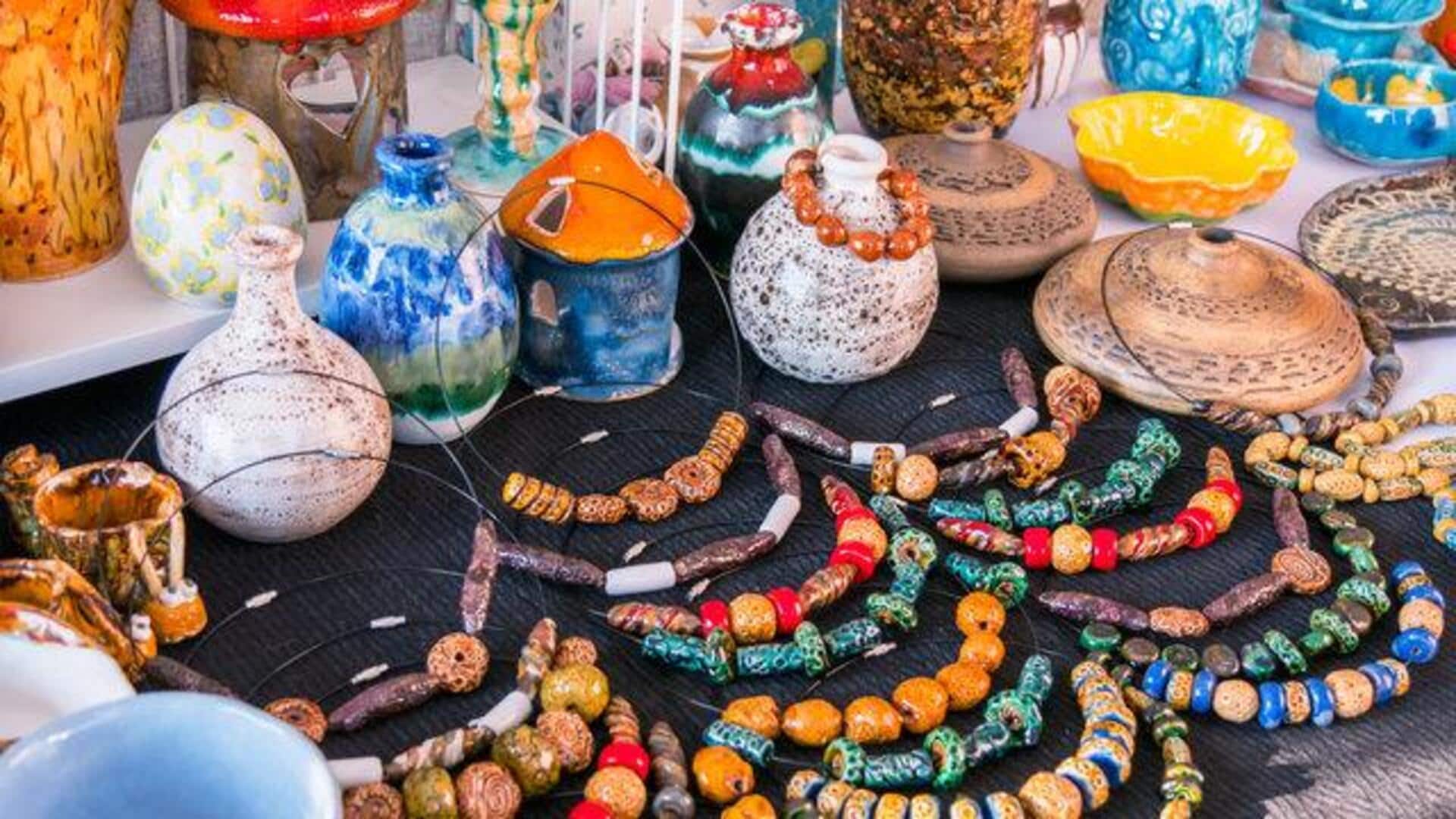
African craft fairs are a treasure trove of timeless treasures, offering a glimpse into the continent's rich cultural heritage. These events bring together artisans from across Africa, showcasing their unique creations. From intricate beadwork to vibrant textiles, these crafts reflect the diverse traditions and skills of African communities. Attending these fairs gives you an opportunity to support local artisans and take home one-of-a-kind pieces that tell a story.
Fair layout
Understanding the fair's layout
Navigating an African craft fair can be overwhelming, given the number of stalls and artisans present.
Most fairs are organized by region or craft type, making it easier for you to find what you're looking for.
Familiarizing yourself with the layout map provided at the entrance can save you time and help you plan your visit better.
This way, you can prioritize which sections to explore first based on your interests.
Artisan interaction
Engaging with artisans
Interacting with artisans is an integral part of the experience at African craft fairs.
Not only does it give you a chance to learn about the techniques behind each piece, but it also allows you to understand its cultural significance.
Most artisans are happy to share stories about their work and how it reflects their heritage.
This engagement adds depth to your appreciation of the crafts you purchase.
Bargaining tips
Bargaining tips for buyers
Bargaining is a common practice at African craft fairs, but it's important to do it respectfully.
Start by complimenting the craftsmanship before making an offer lower than half of what is initially quoted by the seller.
Be willing to negotiate until both parties agree on a price that feels fair without undervaluing the artisan's hard work.
Sustainability focus
Supporting sustainable practices
Many African craft fairs emphasize sustainability by promoting eco-friendly materials and practices among participating artisans.
Look out for vendors who use recycled or natural materials in their creations, as this contributes positively towards environmental conservation efforts within communities across Africa.
Supporting such initiatives not only helps preserve cultural heritage but also encourages sustainable economic growth within local economies.