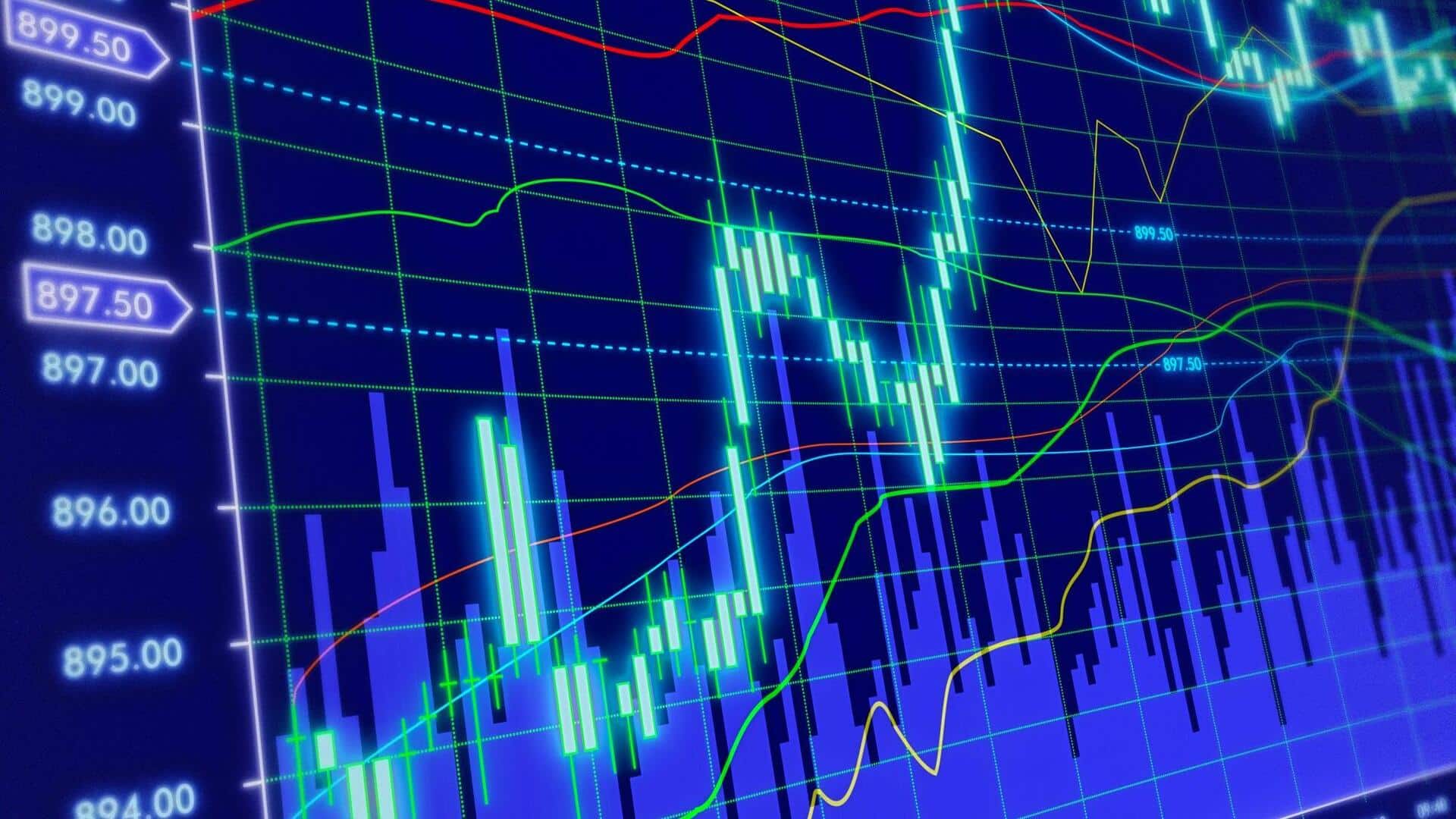
Exchange-traded derivatives: What they are, how to invest
What's the story
Exchange-traded derivatives (ETDs) have become a popular investment option for Indian investors. They offer a host of opportunities to hedge risks and speculate on market movements. These financial instruments include futures and options contracts. They are traded on regulated exchanges, providing transparency and liquidity. As the Indian market continues to evolve, understanding the dynamics of ETDs can help investors make informed decisions. It can also help them optimize their portfolios.
#1
Understanding futures contracts
Futures contracts are agreements to buy or sell an asset at a predetermined price on a specific date in the future.
In India, these contracts are widely used for commodities like gold, silver, and agricultural products. They allow investors to lock in prices and manage risk effectively.
The popularity of futures contracts is attributed to their leverage potential, enabling traders to control large positions with relatively small capital.
#2
Exploring options trading
Options trading gives investors the right, but not the obligation, to buy or sell an underlying asset at a predetermined price before a certain date.
In India, options have become popular among retail investors as they provide flexibility in strategy formulation without the need for large upfront investments.
Call options allow you to benefit from price increases, while put options can be used as insurance against declines.
#3
Leveraging margin trading
Margin trading is a common practice when dealing with exchange-traded derivatives. It allows traders to borrow funds from brokers to increase their purchasing power.
In India, margin requirements vary based on the volatility of the underlying asset and market conditions.
While margin trading can amplify profits significantly, it also comes with the risk of magnifying losses if not managed properly.
Tip 1
Risk management strategies
Effective risk management is key when trading ETDs in India.
Traders often use stop-loss orders to limit potential losses by automatically closing positions at predetermined levels.
Diversification across different assets or sectors can also help mitigate risks associated with individual trades or market fluctuations.
Additionally, keeping abreast of global economic indicators and local policy changes is vital for making informed trading decisions.