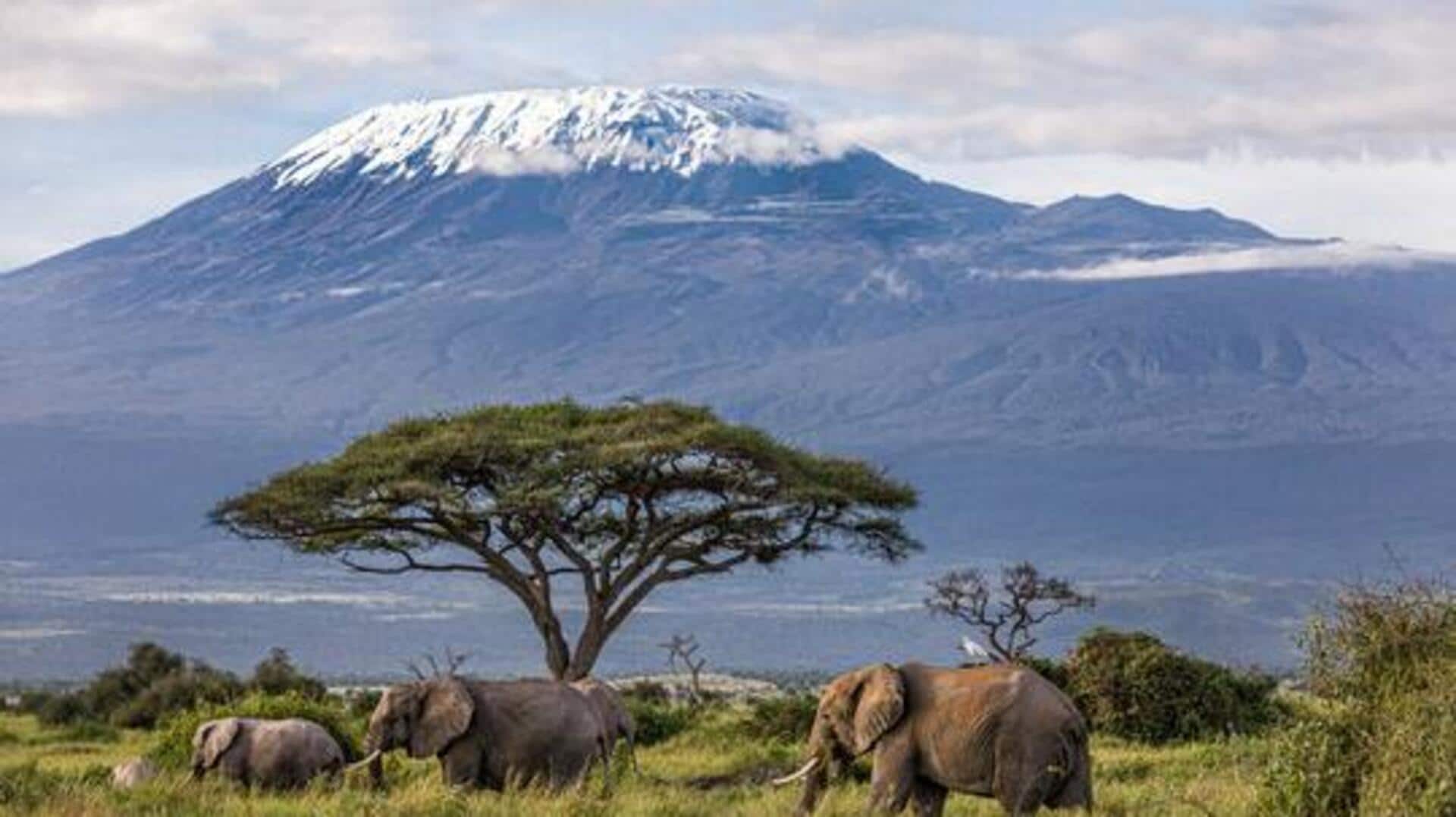
Ice climbing on Mount Kenya: Safety, tips, and more
What's the story
While Africa is synonymous with deserts and savannas, it has some of the most thrilling ice climbing spots. Among them, Mount Kenya is a climber's paradise with its glaciers and technical routes. The mountain's unique landscape makes it a perfect destination for climbers looking for an unusual adventure. From its peaks to the challenges it presents, Mount Kenya promises an unforgettable experience for those willing to take on its icy trails.
#1
Discovering Mount Kenya's glaciers
Mount Kenya is home to several glaciers that have been shrinking due to climate change. The most famous among them are the Lewis and Clarke glaciers.
These icy formations provide climbers with an opportunity to test their skills on steep ice faces and crevasses.
The glaciers are best accessed during the dry seasons, when conditions are more favorable for climbing.
#2
Preparing for the climb
Proper preparation is key to a successful climb on Mount Kenya's icy routes.
Climbers should ensure they have proper gear, including crampons, ice axes, and warm clothing.
It is also important to be physically fit and accustomed to high-altitude conditions, as Mount Kenya's peaks reach over 5,000 meters above sea level.
#3
Navigating technical routes
The technical routes on Mount Kenya demand both skill and experience.
Climbers will have to navigate through narrow ledges, steep inclines, and possible rock falls.
It is advisable to have prior experience in alpine climbing or go with a guide who knows the terrain well.
Knowing weather patterns is also important, as sudden changes can affect safety on these routes.
#4
Environmental considerations
While climbing Mount Kenya, it is important to respect the environment and leave no trace.
The glaciers are shrinking due to climate change, so climbers must be mindful of their impact on this delicate ecosystem.
Following guidelines from local authorities can help preserve these natural wonders for future generations of adventurers.