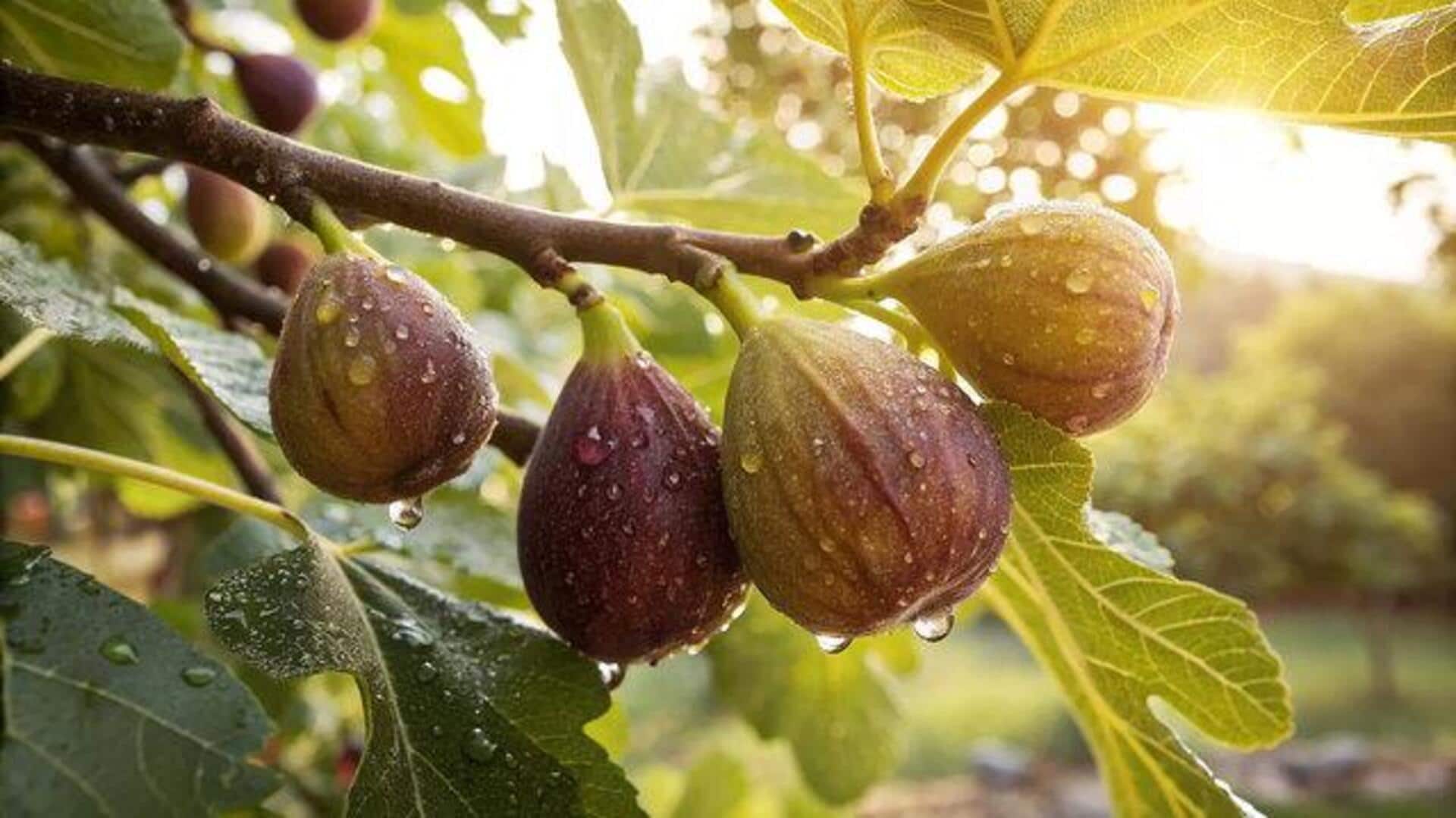
Gardening 101: How to grow dwarf fig trees
What's the story
Dwarf fig trees are a perfect choice for indoor gardening, providing lush greenery and the possibility of homegrown fruit. These compact trees are ideal for small spaces, making them perfect for apartments or homes with limited outdoor areas. With the right care, you can grow a healthy dwarf fig tree indoors, adding a touch of nature to your living space. Here are some practical tips to help you grow these delightful plants successfully.
Tip 1
Choosing the right pot and soil
Selecting an appropriate pot is key to growing a dwarf fig tree indoors.
Choose a pot with drainage holes to prevent waterlogging, which can damage the roots.
A container that is at least 12 inches wide and deep will give enough space for root growth.
Use well-draining soil mixed with organic matter to provide essential nutrients and maintain moisture balance.
Tip 2
Providing adequate light
Dwarf fig trees need plenty of light to flourish indoors.
Place them near a south-facing window where they can receive at least six hours of direct sunlight every day.
If natural light is insufficient, you can also use grow lights to supplement it.
Position the lights about 12 inches above the plant, adjusting as required to ensure optimal growth conditions.
Tip 3
Watering and fertilizing properly
Proper watering is vital for the health of your dwarf fig tree.
Water when the top inch of soil feels dry but avoid overwatering as it can lead to root rot.
Fertilize every four weeks during the growing season with a balanced liquid fertilizer diluted to half strength.
This will ensure your plant gets enough nutrients without overwhelming it.
Tip 4
Pruning and shaping your tree
Regular pruning helps keep your dwarf fig tree in shape and encourages bushier growth.
Trim back any dead or unhealthy branches as required, using clean, sharp tools to avoid infection.
Shape your tree by pinching back new growth at the tips of branches when they reach about six inches long, promoting fuller foliage coverage.
Tip 5
Managing pests effectively
Indoor plants are prone to pest problems such as spider mites or aphids from time to time.
Regularly inspect leaves and stems for signs of infestation, like discoloration or webbing.
If you notice any, treat them promptly with insecticidal soap or neem oil, following package instructions carefully.
This ensures safe application methods, minimizing harm to beneficial insects nearby.