What are isometric exercises?
What's the story
Isometric exercises are basically strength training techniques that involve muscle contractions without joint movement. Held for 10-30 seconds, they are a great way to improve core strength and stability. These exercises can be done anywhere, require no special equipment, and are great for beginners and advanced fitness enthusiasts alike. Here are five effective isometric exercises you can add to your routine to build a strong core that improves posture, balance, and overall well-being.
Plank
Plank hold for endurance
The plank is a classic isometric exercise that targets the entire core.
To perform the plank, start in a push-up position with your forearms on the ground and elbows directly under your shoulders.
Keep your body in a straight line from head to heels, and hold this position for as long as possible without letting your hips sag or rise too high.
This exercise improves endurance and stability of the core muscles.
Wall sit
Wall sit for lower body engagement
The wall sit is an excellent way to engage both your lower body and core at the same time.
Stand with your back against a wall, and slide down until your knees are bent at a right angle, as if sitting on an invisible chair.
Keep this position for as long as you can while keeping your abs tight to support your spine.
Hollow hold
Hollow body hold for full-body activation
The hollow body hold activates multiple muscle groups, especially the abs.
Lie on your back with arms extended overhead and legs straight out in front of you.
Lift both arms and legs off the ground slightly while keeping the lower back pressed into the floor.
Hold this position by engaging your core muscles throughout the duration.
Side plank
Side plank for oblique strengthening
The side plank is a great exercise to target your obliques, the muscles on the sides of your abdomen.
Start by lying on one side with legs stacked on top of each other.
Prop yourself up with one forearm under your shoulder, lifting hips off the ground.
Your body should be in a straight line from head to heels.
Hold this pose as long as you can while maintaining proper form.
Glute bridge
Glute bridge hold for posterior chain activation
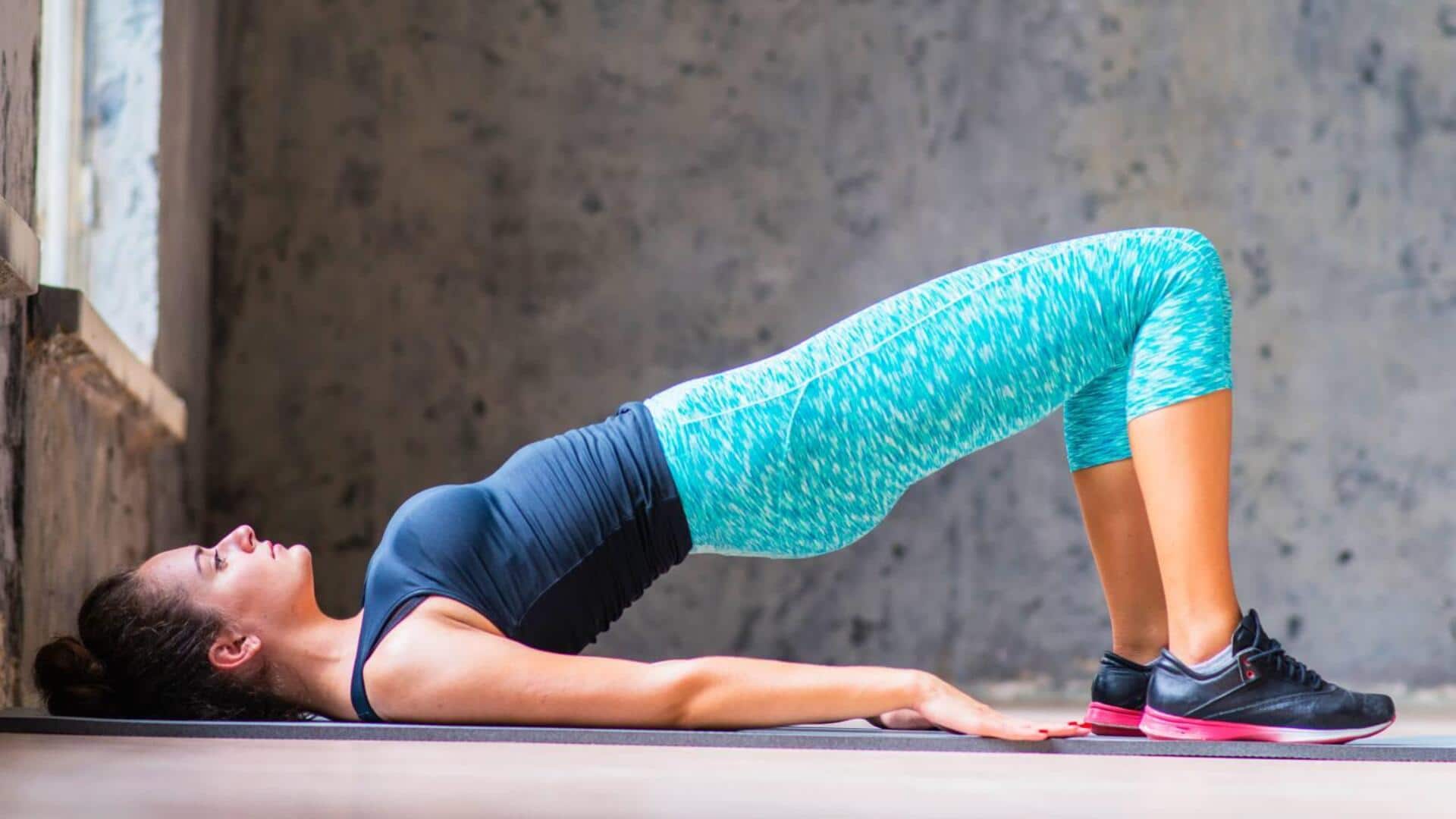
The glute bridge hold activates posterior chain muscles, including glutes and lower back, while also engaging the abdominal region.
Lie on your back with knees bent and feet flat on the floor.
Raise hips towards ceiling, forming a straight line from shoulders to knees.
Hold this position, ensuring constant tension in all targeted areas.