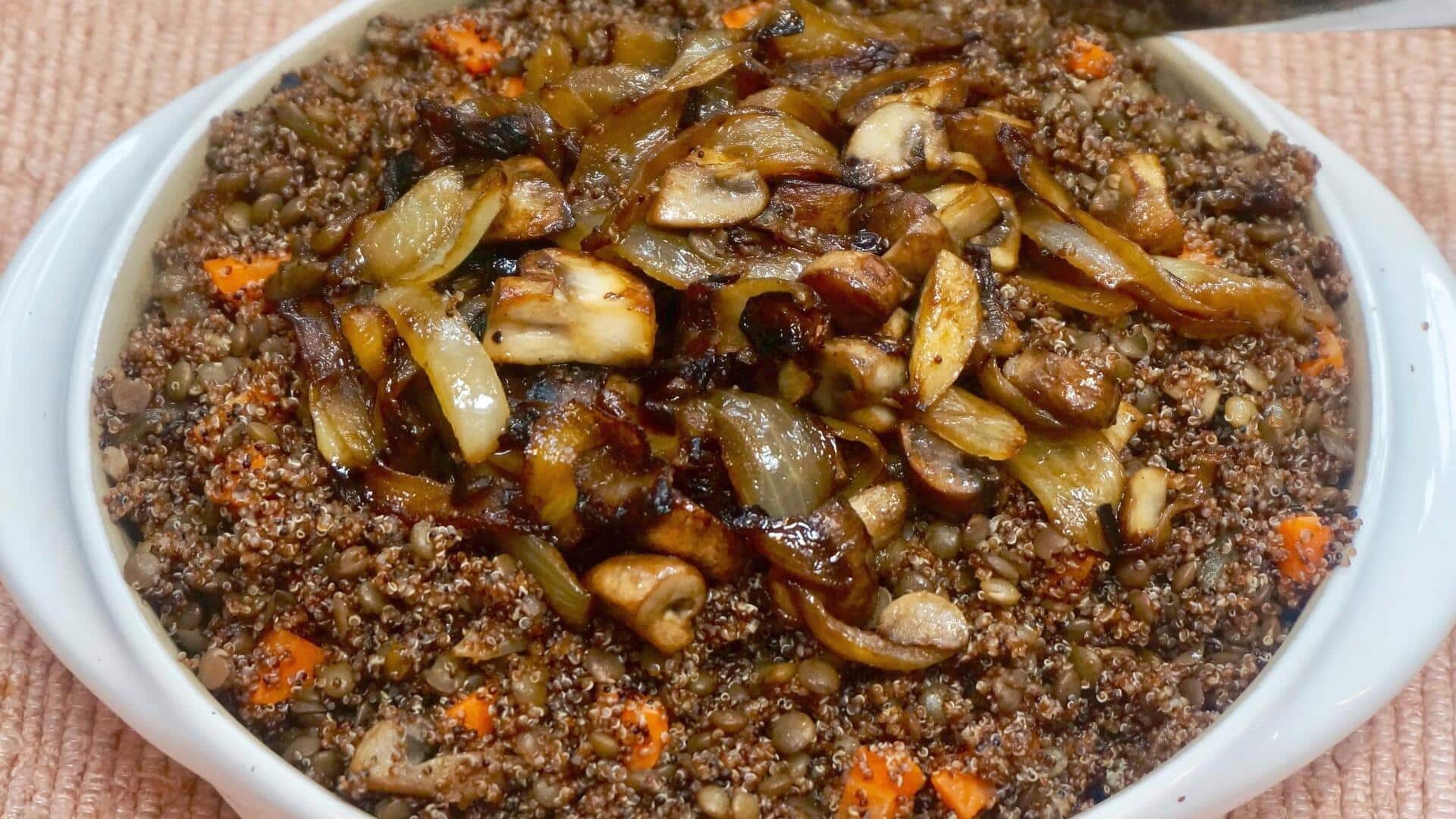
Kaniwa: Why this grain is gaining popularity
What's the story
Kaniwa, an ancient grain from the Andes, is making a comeback in modern diets. Celebrated for its nutritional value and versatility, kaniwa is becoming a favorite among health-conscious people. Unlike quinoa, kaniwa has a smaller seed size but packs a punch with its protein and fiber content. Its gluten-free nature makes it an ideal choice for those with dietary restrictions. Here's why kaniwa is gaining popularity worldwide.
#1
Nutritional benefits of kaniwa
Kaniwa is loaded with essential nutrients, including iron, magnesium, and zinc.
It is also high in antioxidants that help fight oxidative stress in the body.
The high protein content (up to 16% by weight) makes it an excellent plant-based protein source.
Further, kaniwa has all nine essential amino acids, making it a complete protein source.
#2
Versatility in cooking
Kaniwa's mild flavor makes it versatile in different dishes. It can be used as a base for salads or as a side dish similar to rice or couscous.
Its small size allows it to cook quickly and absorb flavors well, making it ideal for soups and stews.
Kaniwa flour can also be used in baking as a gluten-free substitute.
#3
Environmental impact of Kaniwa cultivation
Cultivating kaniwa has a relatively low environmental impact compared to other grains.
It grows well in harsh conditions with minimal water requirements, making it sustainable for arid regions.
This resilience helps preserve soil quality and reduce the need for chemical fertilizers, contributing to more eco-friendly agriculture practices.
#4
Economic opportunities in kaniwa production
The growing demand for kaniwa globally opens economic opportunities for farmers in the Andes, where it is traditionally grown.
By exporting this ancient grain, farmers can tap into international markets willing to pay premium prices for organic and sustainably sourced products.
This not only boosts local economies but also encourages sustainable farming practices that benefit communities long-term.