
Kayaking through Ilulissat Icefjord: A guide
What's the story
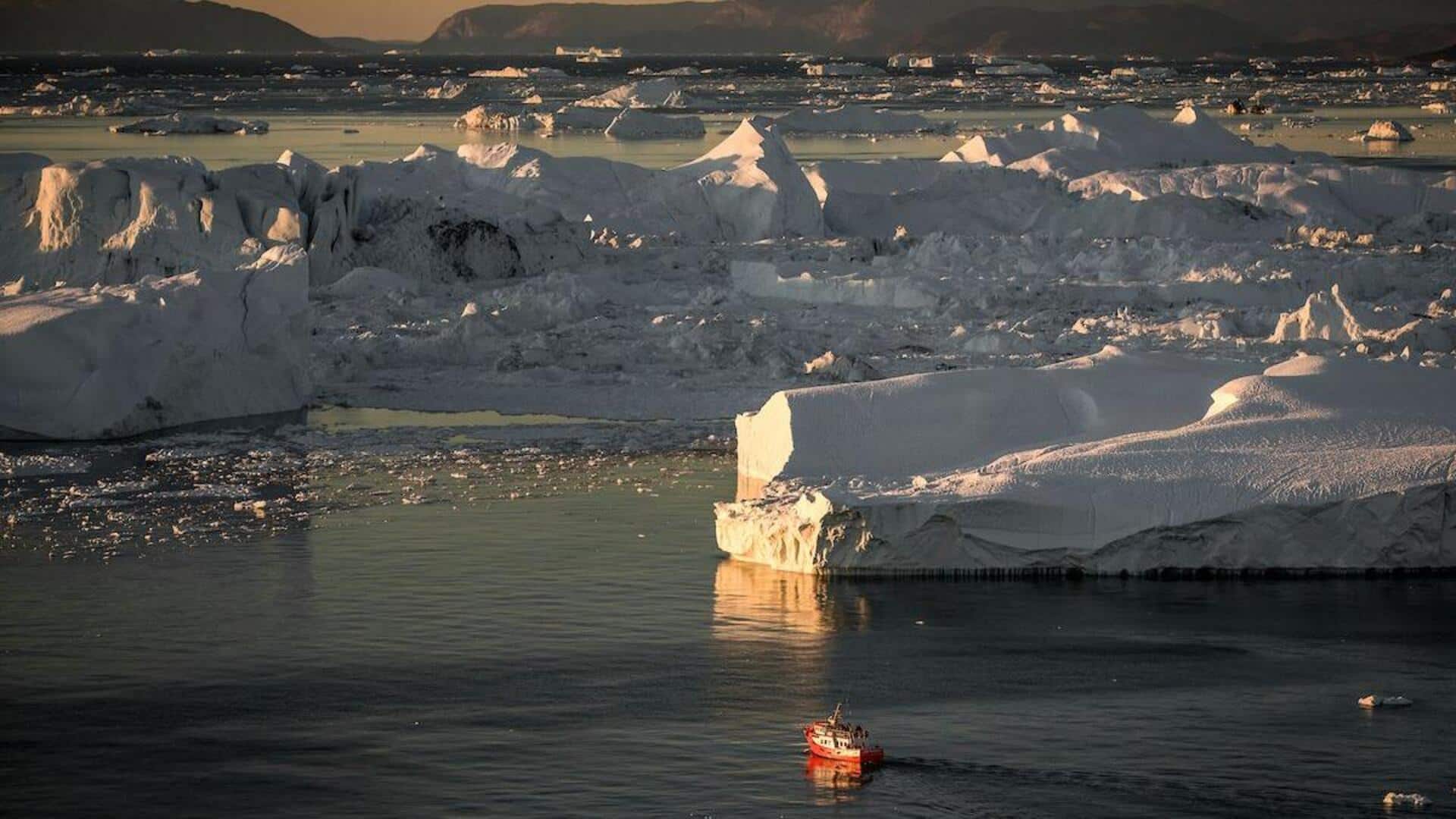
Exploring Greenland's Ilulissat Icefjord by kayak is a once-in-a-lifetime experience. The UNESCO World Heritage site is famous for its massive icebergs and breathtaking landscapes. Kayaking through the fjord gives you an up-close view of these natural wonders, all while enjoying the peace of the Arctic waters. Here are some practical tips and insights to help you make the most of your kayaking adventure in this stunning part of the world.
Timing
Best time to visit
The best time to visit Ilulissat Icefjord for kayaking is during the summer months from June to August. The weather is relatively mild, with temperatures ranging from two degrees Celsius to 10 degrees Celsius. These months also witness long daylight hours, giving you more time to explore. However, be prepared for sudden weather changes and pack appropriate clothing.
Gear list
Essential gear for kayaking
When planning a kayak trip in Ilulissat Icefjord, make sure you have the right gear. A dry suit or wetsuit is essential to keep you warm in cold waters. Waterproof bags are a must to keep your belongings dry. A reliable map or GPS device can help you navigate through the fjord's intricate routes. Don't forget safety equipment like a life jacket and first aid kit.
Safety tips
Navigating icebergs safely
Icebergs are the most beautiful yet dangerous part of your kayak adventure in Ilulissat Icefjord. Always keep a safe distance from them as they can tip over without any warning. Stay alert for any signs of movement in the water, and avoid areas with large chunks of floating ice. If you're not experienced, consider hiring a local guide who knows the area well.
Wildlife viewings
Wildlife spotting opportunities
Kayaking in Ilulissat Icefjord also gives you a chance to spot some of the most fascinating wildlife of Greenland. Keep your eyes peeled for seals lounging on ice floes or swimming in the water. You may also spot various bird species soaring above or nesting along the cliffs. Whales are also commonly spotted during summer months, making it an exciting time for wildlife enthusiasts.