What is khanga textile art?
What's the story
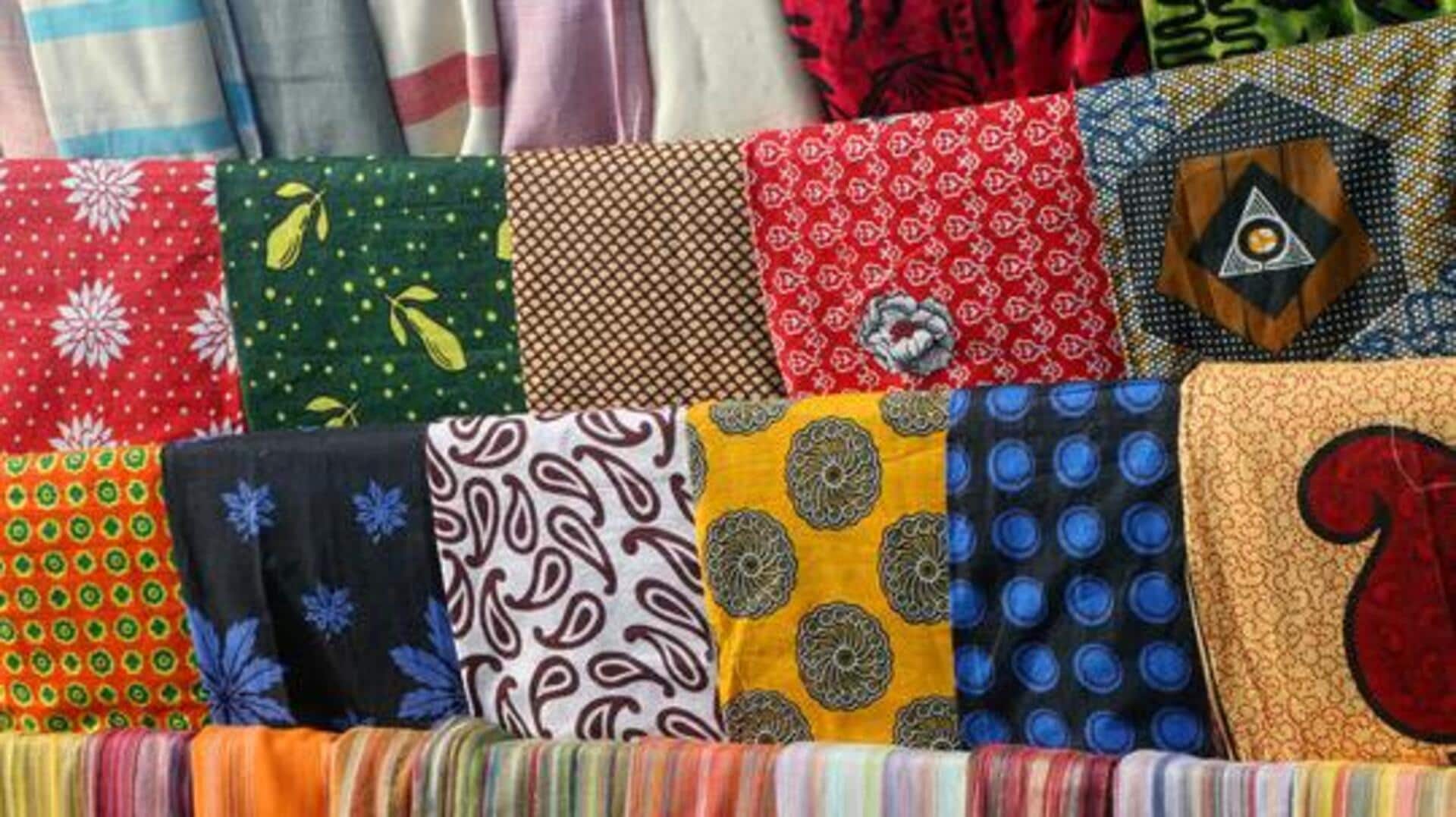
African khanga art is a vibrant and culturally rich form of textile art, which is gaining popularity in contemporary fashion. Traditionally, khanga is a colorful piece of cloth worn by women in East Africa, often inscribed with proverbs or messages. Today, designers are incorporating khanga patterns into modern clothing and accessories, blending traditional aesthetics with contemporary styles. This fusion not only preserves cultural heritage but also offers unique fashion statements.
#1
The history behind khanga art
Khanga originated in the coastal regions of East Africa in the 19th century. It was initially used as a wrap but evolved into a symbol of identity and expression. Each piece typically features bright colors and intricate designs, along with Swahili sayings. The art form has been passed down generations, maintaining its significance while adapting to modern trends.
#2
Modern interpretations of khanga patterns
Today's fashion designers are reimagining khanga patterns for urban wear. By mixing traditional motifs with modern silhouettes, they offer an eclectic range of clothing that appeals to a wider audience. These designs often feature bold prints on dresses, tops, and accessories like bags and scarves. The result is a fresh take on a classic art form that resonates with both local and global markets.
#3
Sustainable fashion through khanga textiles
Using khanga textiles in fashion also promotes sustainability. Since these fabrics are often made from natural materials, and produced using eco-friendly methods, they contribute to reducing environmental impact. By choosing khanga-based products, consumers support sustainable practices while enjoying durable and stylish pieces.
#4
Empowering local artisans with khanga production
The revival of khanga art in contemporary fashion has also empowered local artisans who create these textiles. Many communities rely on this craft for their livelihoods, benefiting from fair trade practices that ensure fair compensation for their work. This not only preserves traditional skills but also supports economic development within these communities.