
Kickboxing v/s fencing: Which improves agility better?
What's the story
Kickboxing and fencing are two dynamic sports that require agility, precision, and quick reflexes. Both disciplines offer unique benefits for improving agility, but they do so in different ways. While kickboxing focuses on powerful strikes and footwork, fencing emphasizes swift movements and strategic thinking. This article explores how each sport contributes to enhancing agility, allowing enthusiasts to understand their distinct advantages.
#1
Footwork in kickboxing
Footwork is an integral part of kickboxing, as it helps you move quickly and change direction in no time. The sport requires you to practice various drills that improve your balance and coordination. By practicing these movements regularly, you can develop a better sense of timing and spatial awareness. This not only makes you more agile but also helps you avoid attacks from opponents.
#2
Quick reflexes in fencing
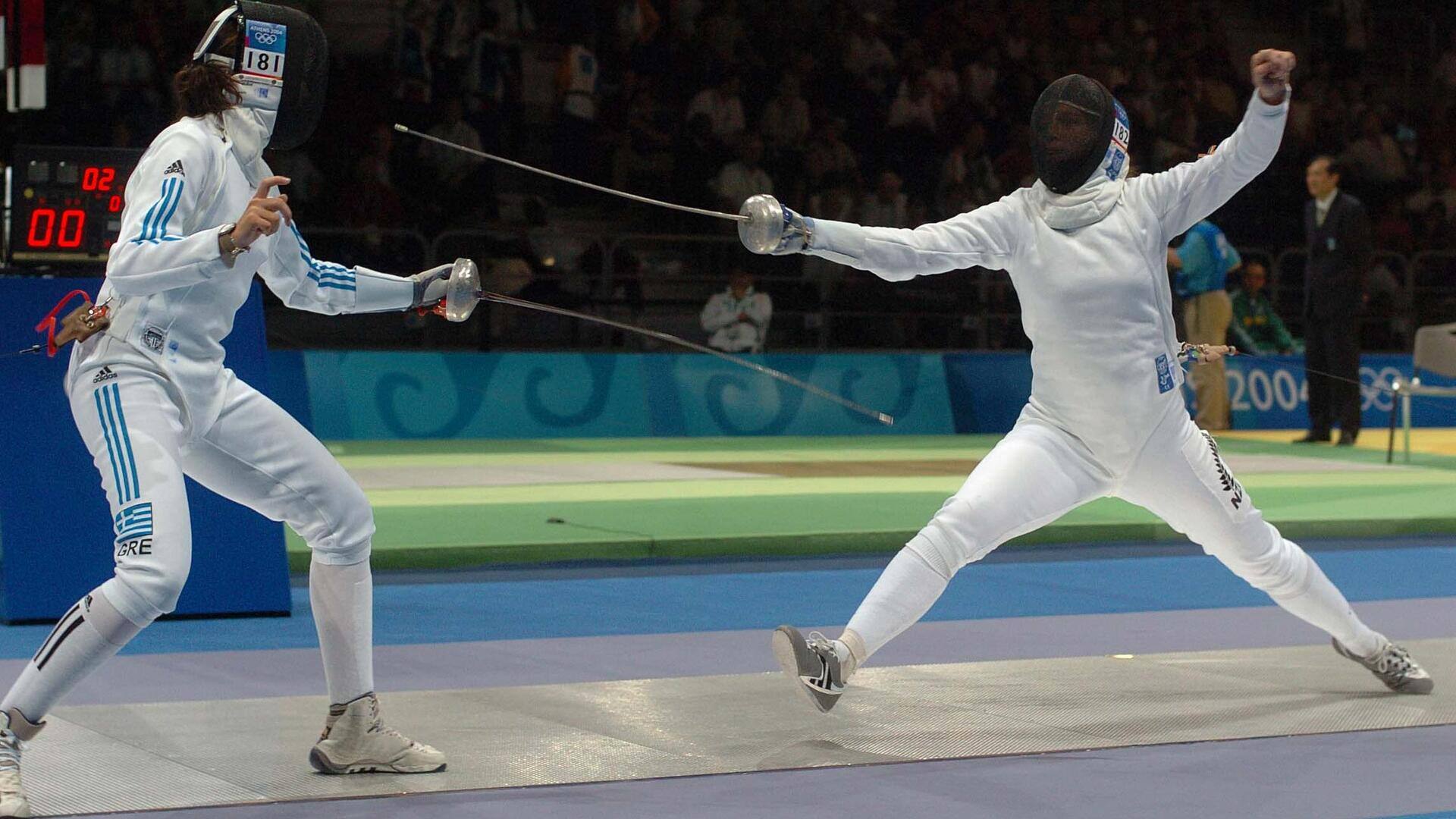
Fencing is all about quick reflexes and lightning-fast decision-making. Fencers have to react instantly to their opponent's moves while planning their own strategies. The sport improves hand-eye coordination and reaction time by requiring players to make split-second decisions during bouts. These skills are essential for anyone looking to improve their overall agility.
#3
Cardiovascular benefits of kickboxing
Kickboxing offers an intense cardiovascular workout that improves endurance and agility at the same time. The combination of punches, kicks, and footwork drills keeps your heart rate up, promoting better circulation and stamina over time. As your endurance improves, you'll be able to maintain high energy levels during prolonged physical activity.
#4
Mental agility from fencing strategies
Fencing isn't just about physical prowess; it's also about mental agility. The sport requires strategic thinking as fencers anticipate their opponent's moves while planning counterattacks. This mental aspect enhances cognitive flexibility, allowing practitioners to adapt quickly to changing situations both on and off the piste.