5 fascinating facts about kimchi-making in Korea
What's the story
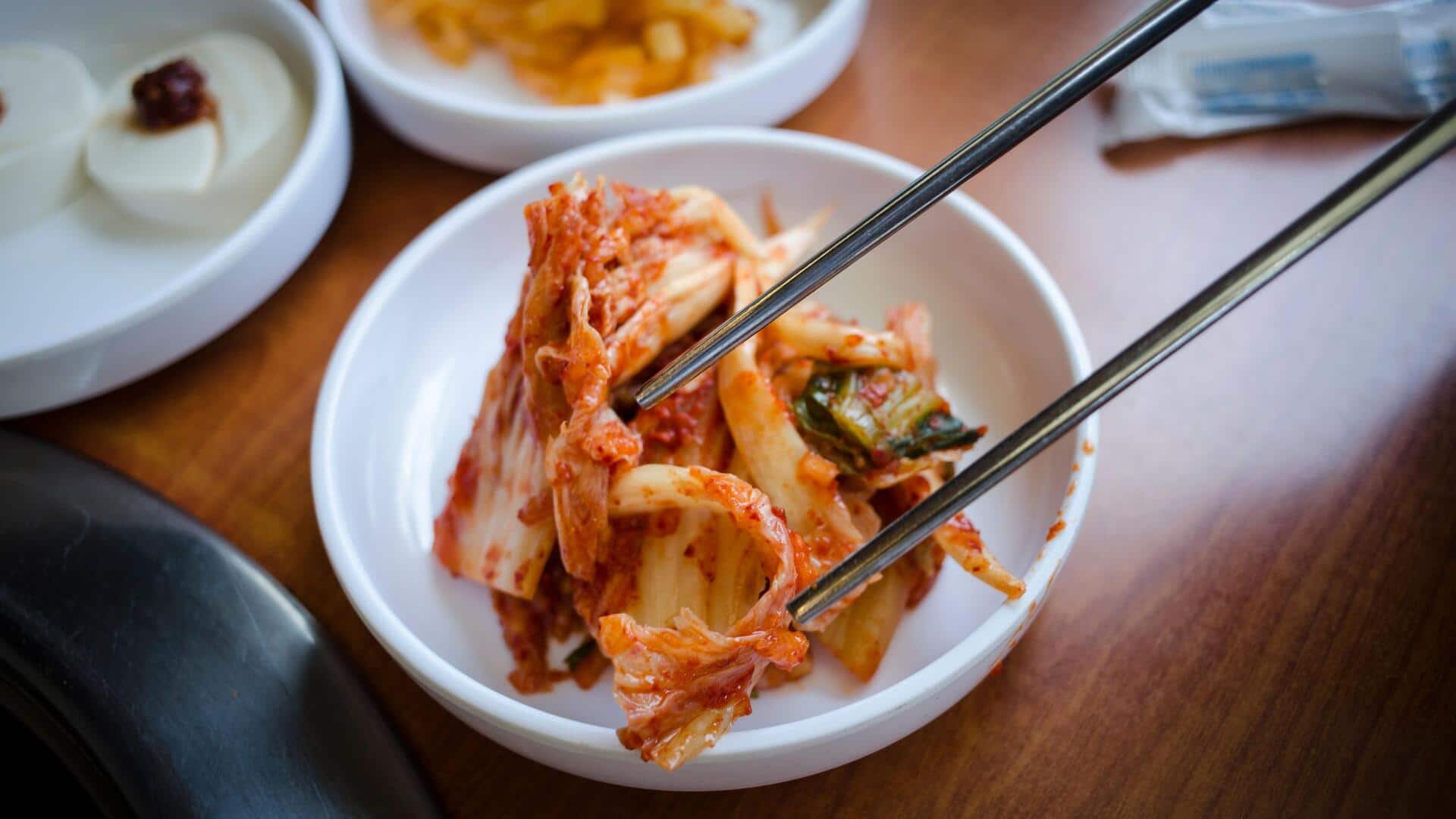
Kimchi, a staple of Korean cuisine, is much more than just a side dish. The art of making kimchi is steeped in tradition and culture, with each family having their own unique recipe. This fermented vegetable dish is not just a culinary delight but also a reflection of Korea's rich heritage. Here are five fascinating facts about kimchi-making traditions that showcase the intricacies and cultural significance of this beloved dish.
#1
The art of fermentation
Fermentation is the key to kimchi's unique flavor profile.
Traditionally, kimchi is left to ferment for days or even weeks, depending on the type and recipe.
The process involves natural bacteria breaking down sugars into lactic acid, giving kimchi its signature tangy taste.
Many families have their own secret fermentation techniques passed down through generations, making each batch unique.
#2
Seasonal ingredients play a role
The choice of ingredients in kimchi varies with the seasons. In summer, cucumbers or radishes may be used as they are more abundant and provide a refreshing crunch.
Winter might see napa cabbage or other root vegetables being used instead.
This seasonal approach not only ensures freshness but also reflects the changing landscape and what it offers throughout the year.
#3
Regional variations abound
Like any traditional dish, kimchi has regional variations across Korea that reflect local tastes and available ingredients.
In some regions, seafood like shrimp might be added for extra umami flavor. Others might prefer a spicier version with more chili pepper flakes for heat lovers.
These regional differences highlight Korea's diverse culinary landscape while keeping kimchi's essence intact.
#4
Family gatherings for preparation
Preparing kimchi is often a communal affair involving family members coming together to make large batches at home during specific times of year, like late autumn or early spring.
Known as 'kimjang, this practice helps ensure a supply of kimchi for months. It also strengthens family bonds through shared work and storytelling.
#5
Health benefits recognized globally
Kimchi has been praised for its health benefits, which are now recognized globally.
The fermented dish is rich in probiotics, which promote gut health and digestion.
It also contains vitamins A, B, and C, and antioxidants that help strengthen the immune system.
These benefits have made kimchi a popular choice among health-conscious people around the world, who appreciate its nutritional value and unique taste.