All about African mask art
What's the story
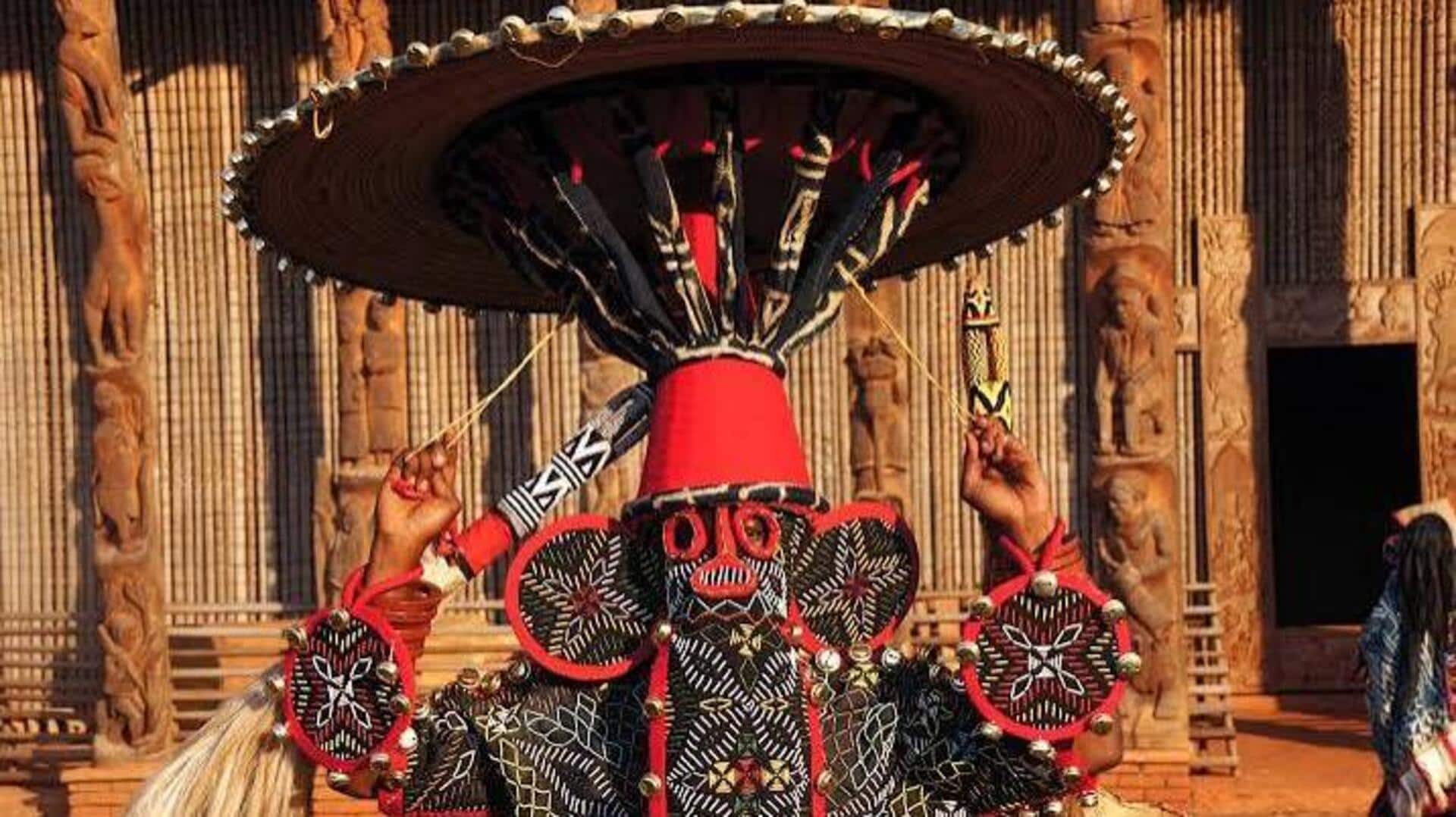
African masquerade art (mask art) is a fascinating fusion of tradition and creativity, inspiring contemporary sculptors across the globe. The vibrant, symbolic art form is known for its intricate designs and cultural significance. Sculptors are now incorporating elements of this art into their work, creating pieces that reflect both African heritage and modern artistic expression. Here are some insights into how African masquerade art is influencing contemporary sculpture.
#1
The influence of traditional patterns
Traditional patterns in African masquerade art are making their way into contemporary sculptures.
These patterns, which are rich in symbolism, give a unique texture and rhythm to the sculptures.
Sculptors use these patterns to add depth and meaning to their work, creating a bridge between past traditions and present-day artistry.
The use of these patterns not only enhances aesthetic appeal but also pays homage to the cultural roots.
#2
Materials inspired by African craftsmanship
African masquerade artists are also known for their innovative use of materials, from wood to metal, clay, and beads.
Contemporary sculptors are now inspired by these traditional practices, experimenting with similar materials in their own work.
The use of natural materials not only adds an organic element to sculptures but also connects them to the earthy essence of African art.
#3
Symbolism in modern sculpture
Symbolism is at the heart of African masquerade art, and it has also found its way into modern sculpture.
Sculptors are now using symbols from this tradition to convey complex themes and narratives in their work.
By incorporating these symbols, artists can explore identity, spirituality, and community dynamics through visual storytelling.
Tip 1
Balancing tradition with innovation
One of the biggest challenges for sculptors inspired by African masquerade art is balancing tradition with innovation.
While it is important to honor the cultural significance of these designs, artists also want to push creative boundaries.
This balance allows them to create sculptures that are not only visually striking but also culturally resonant, ensuring that both past and future are honored in their work.