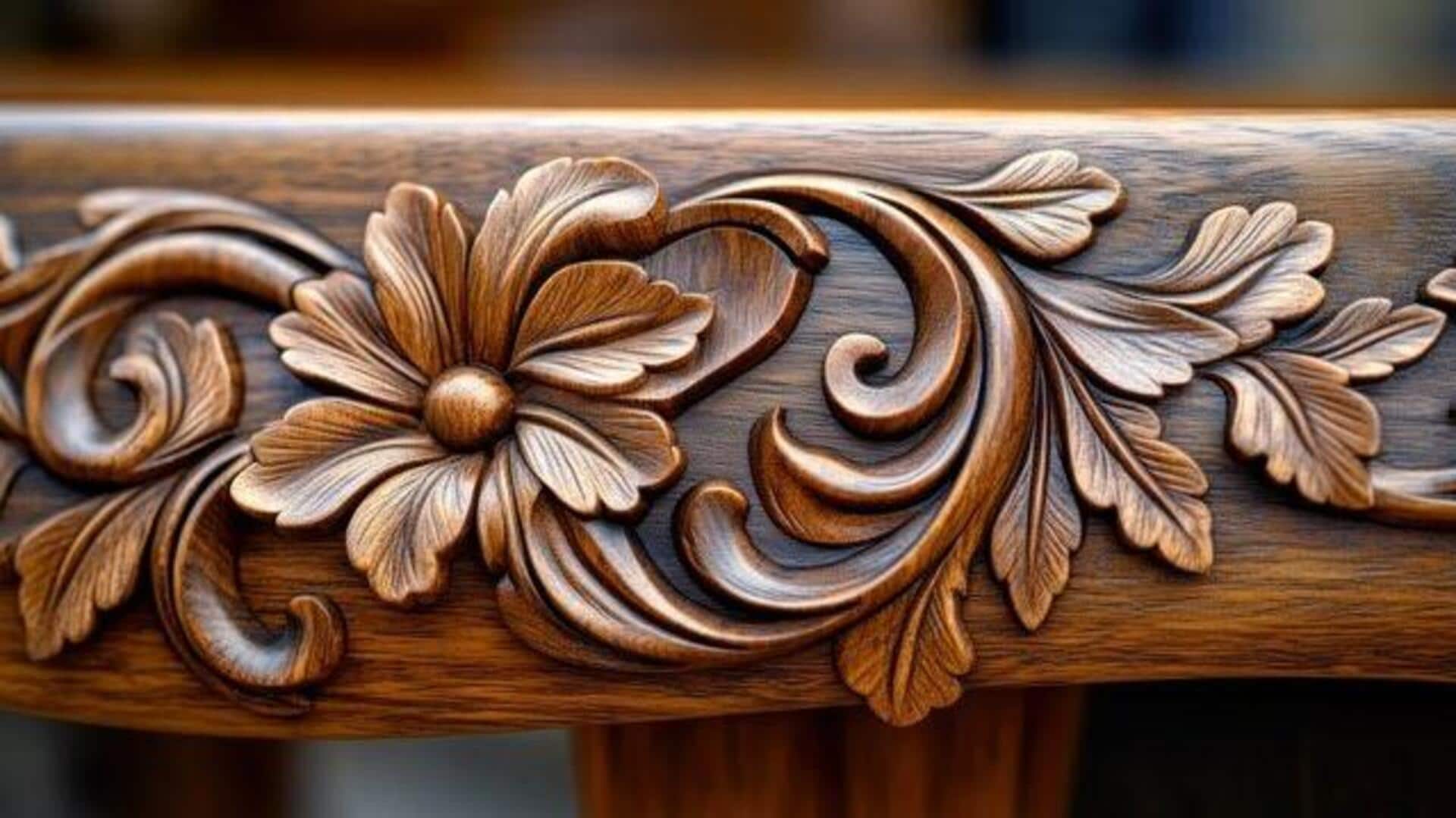
Luba carvings: A timeless style for furniture design
What's the story
Luba carvings, the intricate art form from the Democratic Republic of Congo, have been inspiring furniture design for centuries. The carvings are known for their detailed patterns and symbolic representations, which have found their way into modern furniture pieces. The influence of Luba carvings can be seen in the way they add cultural depth and artistic value to contemporary designs. Here are five ways these traditional carvings have inspired modern furniture.
#1
Intricate patterns in modern design
Luba carvings are famous for their intricate patterns that tell stories and represent cultural beliefs. These designs have inspired modern furniture designers to include similar motifs in their work. By adding these patterns, designers can give a piece of furniture a unique character and history. The result is a blend of traditional artistry with modern functionality, making the pieces visually appealing and culturally rich.
#2
Use of natural materials
Traditional Luba carvings are done on natural materials like wood, which is also a key element in modern furniture design. The use of natural materials not only pays homage to the original art form but also promotes sustainability in today's manufacturing processes. This practice ensures that the beauty of the carvings is preserved while also keeping the ecological balance intact.
#3
Symbolic elements in furniture pieces
The symbolic elements of Luba carvings often find their way into modern furniture design as well. These symbols can represent various aspects of life or nature, adding layers of meaning to each piece. By incorporating these elements, designers create furniture that is not just functional but also thought-provoking, encouraging users to engage with its cultural significance.
#4
Balancing tradition with innovation
Modern furniture designers are also trying to strike a balance between Luba's traditional carvings and innovative techniques. While the former provides a timeless aesthetic appeal, the latter ensures that the pieces are practical for the modern-day consumer. This way, the designers can preserve the essence of traditional art forms while also meeting contemporary demands for style and usability.
#5
Enhancing aesthetic appeal through texture
Luba carvings are known for their textured surfaces, which add depth and interest to any piece of furniture. This texture is something that modern designers have adopted to enhance the aesthetic appeal of their products. By adding textured elements inspired by Luba art, they create visually stunning pieces that catch the eye and invite touch, all the while paying homage to this rich cultural heritage.