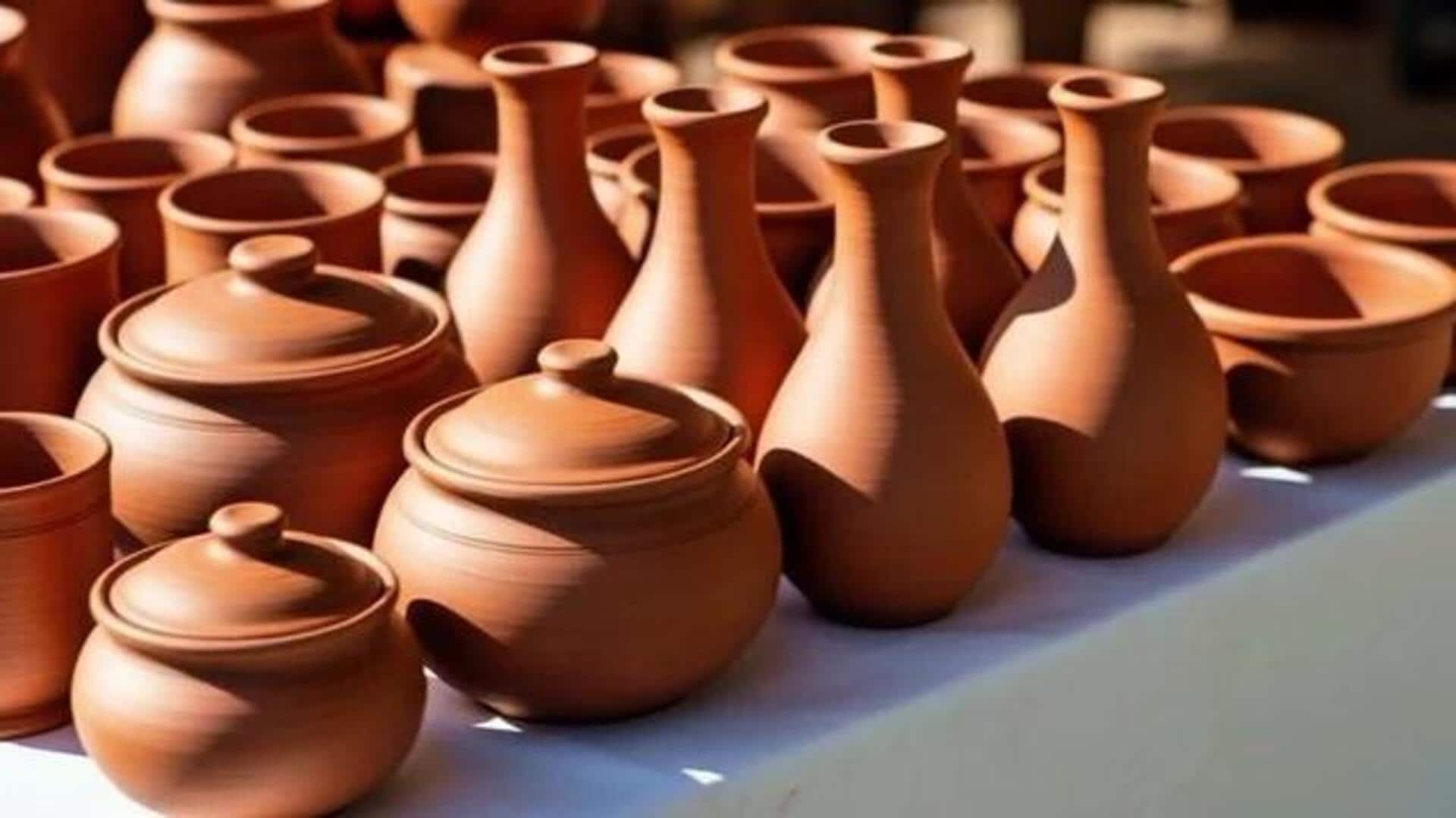
Unique pottery techniques every art lover should know
What's the story
African pottery techniques have been used for centuries to create beautiful and functional pieces. These techniques are rooted in tradition and cultural significance, offering unique insights into the art of pottery. From hand-building methods to natural glazing, African potters have developed skills that are both practical and artistic. This article explores various African pottery techniques, highlighting their distinct features and the craftsmanship involved in each method.
Technique 1
Hand-building methods
Hand-building is one of the most common techniques used by African potters. It involves shaping clay by hand without the use of a potter's wheel.
The method includes pinching, coiling, and slab construction. Pinching involves forming clay into a ball and pressing fingers to shape it.
Coiling uses rolled strips of clay, stacked to create vessels. Slab construction employs flat pieces of clay, joined together to form structures.
Technique 2
Natural glazing techniques
Natural glazing is another traditional technique employed by many African potters.
Instead of synthetic glazes, natural materials like ash or plant extracts are used for glazing.
Ash from burnt plants or wood is mixed with water and applied on pottery before firing, giving a rustic finish.
Plant extracts can also provide color and shine when applied on the surface of the clay.
Technique 3
Firing methods
Firing is an important step in making pottery durable and functional.
In Africa, open firing is a common method where pots are placed on open fires or in simple kilns made from local materials like mud or clay bricks.
This technique gives each piece a unique texture and appearance due to uneven heat distribution during firing.
Technique 4
Decorative techniques
African potters also use decorative techniques to add cultural motifs or symbols to their work.
Incising involves carving patterns into wet clay before it dries, while impressing uses objects to leave impressions on the surface of the pot.
Painting with natural pigments derived from minerals or plants adds color and detail without compromising the integrity of the piece after firing.