Marching or ballroom dancing: Which is better for posture?
What's the story
Marching and ballroom dancing are two popular activities that can help improve posture. While marching is a rhythmic walking exercise, ballroom dancing involves a variety of dance styles, each with its own set of movements. Both activities require body awareness and control, which are essential for maintaining good posture. Here's a look at how these activities can help you improve your posture, and the unique benefits each offers.
#1
The benefits of marching for posture
Marching is a simple yet effective exercise that emphasizes maintaining an upright position.
It strengthens the core muscles, which are essential for good posture.
The repetitive motion of lifting the knees and swinging the arms helps in aligning the spine.
Regular marching can improve balance and coordination, making it easier to maintain an erect posture throughout the day.
#2
Ballroom dancing's role in posture improvement
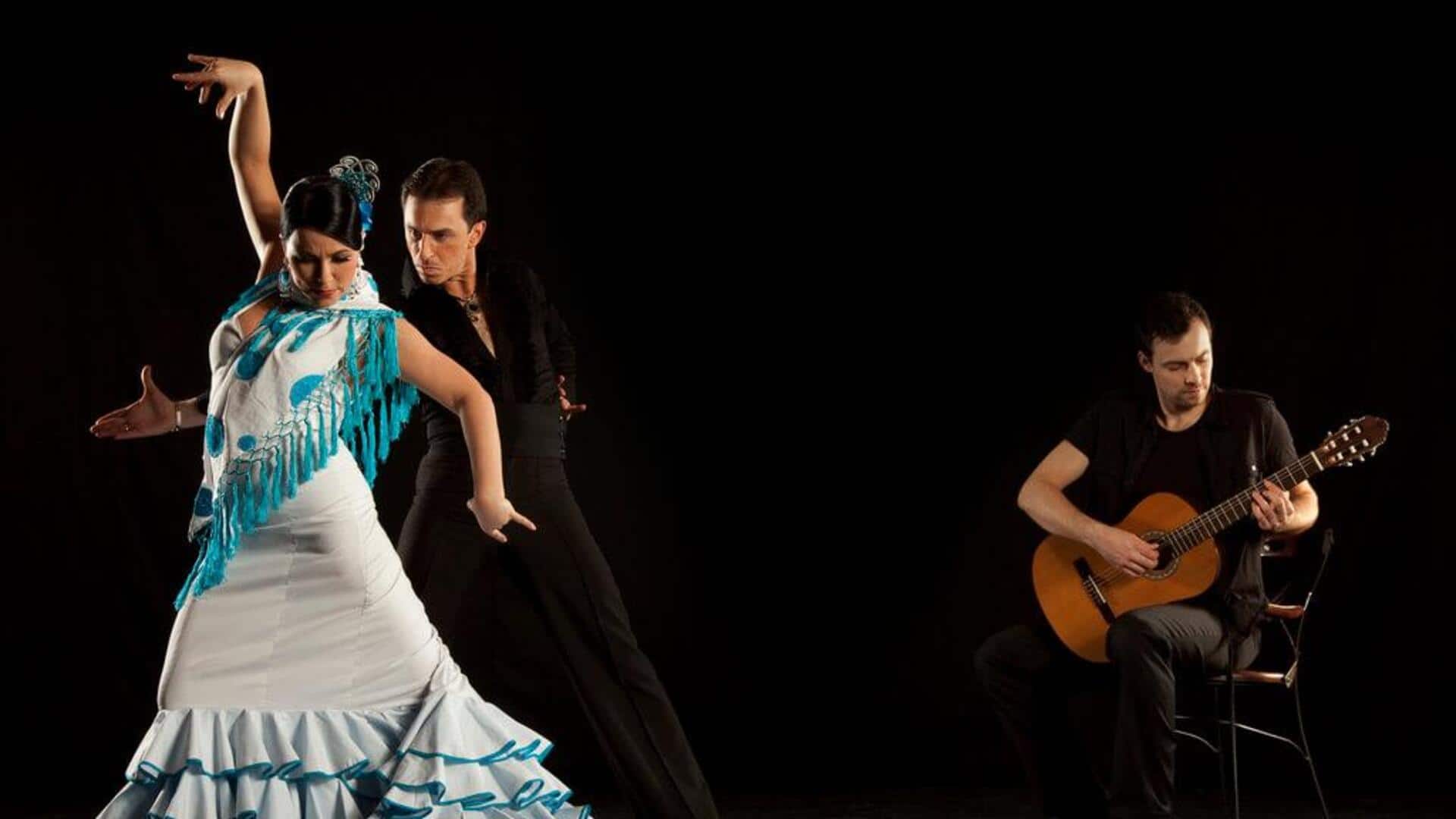
Ballroom dancing features a variety of styles that require different body movements, all of which focus on posture.
Dancers have to keep their shoulders back and heads up while performing intricate steps.
This constant focus on alignment helps strengthen the muscles that support the spine.
Plus, learning new routines also improves flexibility and muscle tone, both of which are essential for good posture.
#3
Comparing calorie burn in marching vs. ballroom dancing
Calorie burn is also an important factor when considering these activities for improving posture.
Marching generally burns around 200 calories per hour depending on intensity levels.
Meanwhile, ballroom dancing can burn anywhere between 150 to 300 calories per hour depending on the style and intensity of the dance.
Both activities offer a good calorie burn along with posture benefits.
Tip 1
Cost considerations: Marching vs. ballroom dancing
When it comes to cost, marching is more economical since it requires no special equipment or classes; you can do it anywhere at any time.
On the other hand, ballroom dancing may involve class fees or hiring an instructor if you're looking for personalized guidance or learning specific styles in-depth.