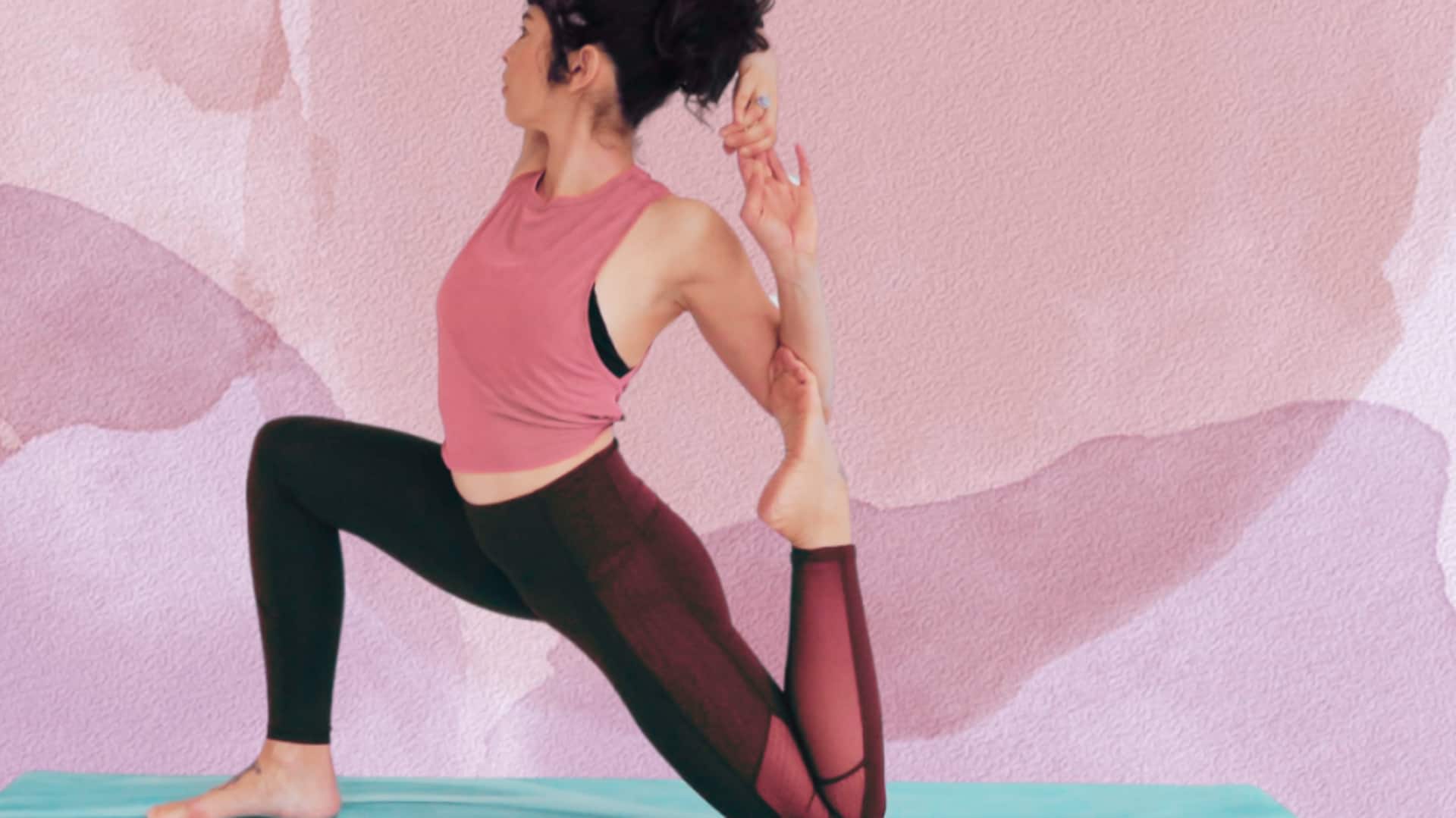
Mermaid pose: Benefits and how to do this yoga asana
What's the story
The mermaid pose is a yoga posture that improves flexibility and strength. It is a great way to open up your hips and stretch your spine, making it a great addition to your routine. Practicing the mermaid pose regularly can improve your posture, relieve tension from your back, and improve your overall well-being. Here are five ways to practice this pose effectively.
Tip 1
Start with proper alignment
Proper alignment is key to getting the most out of the mermaid pose while avoiding injuries.
Begin by sitting on one heel with the opposite leg extended out to the side.
Ensure that both hips are squared towards the front of your mat.
This alignment helps in evenly distributing weight and maintaining balance throughout the pose.
Tip 2
Focus on breathing techniques
Breathing is an integral part of yoga practice, particularly in poses like the mermaid pose.
Inhale deeply as you prepare to enter the pose, and exhale slowly as you extend into it.
This technique not only helps in relaxing but also in deepening your stretch by allowing more oxygen flow to the muscles.
Tip 3
Use props for support
Using props like blocks or cushions can make the mermaid pose more accessible, especially for beginners or those with limited flexibility.
Place a block under your hand for extra support, or use a cushion under your knee for comfort.
Props can help you maintain proper alignment without straining yourself.
Tip 4
Gradually increase duration
When practicing the mermaid pose, gradually increasing the duration is key to improving flexibility and strength over time.
Start by holding the pose for 30 seconds on each side, and slowly work up to holding it for one minute or more as you become more comfortable with it.
Tip 5
Incorporate variations slowly
To keep your practice interesting and challenging, try incorporating variations of the mermaid pose slowly into your routine.
These variations can include different arm positions, or adding gentle twists while maintaining focus on alignment and breathing techniques throughout each variation.