Can eating certain foods keep you hydrated?
What's the story
Hydration is often associated with drinking water, but many believe that certain foods can also keep you hydrated. This article delves into the myth that other food groups, apart from water-rich foods, can significantly contribute to hydration. By examining various food groups and their actual impact on hydration, we aim to clarify this common misconception and provide insights into maintaining proper hydration levels.
#1
The role of fruits and vegetables
Fruits and vegetables are often touted as hydrating foods because of their high water content.
While they do contribute to overall fluid intake, they cannot replace the need for drinking water.
For instance, cucumbers and watermelon have high water content, but they only make a small contribution to daily hydration needs.
Relying solely on these foods, without drinking enough water, may lead to dehydration.
#2
Dairy products and hydration levels
Dairy products like milk and yogurt are also believed to help with hydration owing to their liquid form.
Although they do provide some level of hydration, they are not as effective as plain water.
The presence of lactose and other solids in dairy can make it harder for some people to stay hydrated if consumed in excess.
Moderation is key when including dairy in a hydration plan.
#3
Grains: A surprising factor
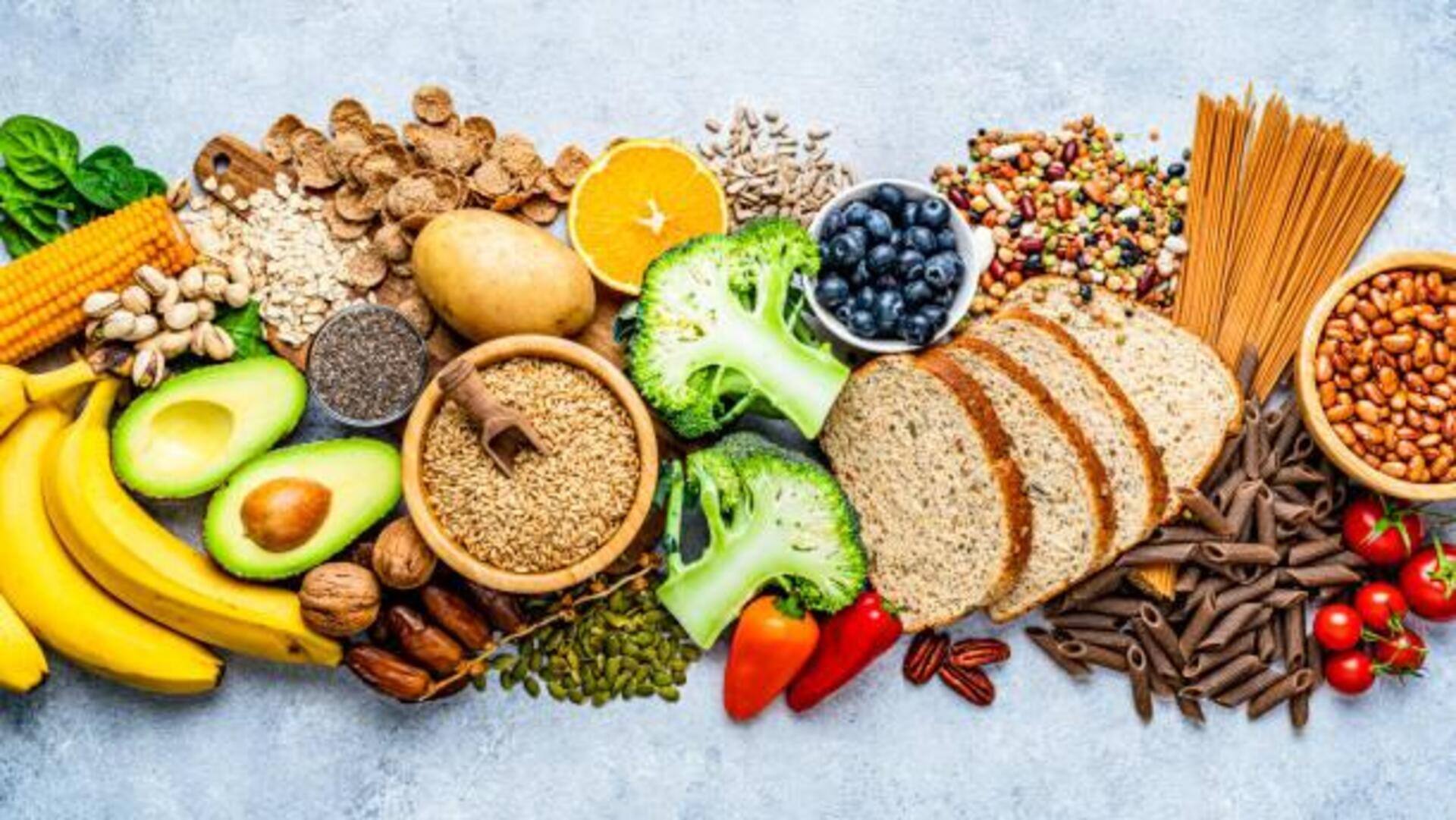
Grains such as rice, bread, and pasta are not usually associated with hydration.
However, they do absorb a lot of water during cooking or preparation, which can help with fluid intake indirectly.
But grains alone will not keep you hydrated enough if you do not drink enough fluids throughout the day.
#4
Nuts and seeds: Limited impact on hydration
Nuts and seeds are nutrient-dense foods, but they have a negligible effect on hydration levels due to their low water content.
While they provide essential fats and proteins, relying on them for hydration is ineffective without adequate fluid intake from beverages like water or herbal teas.