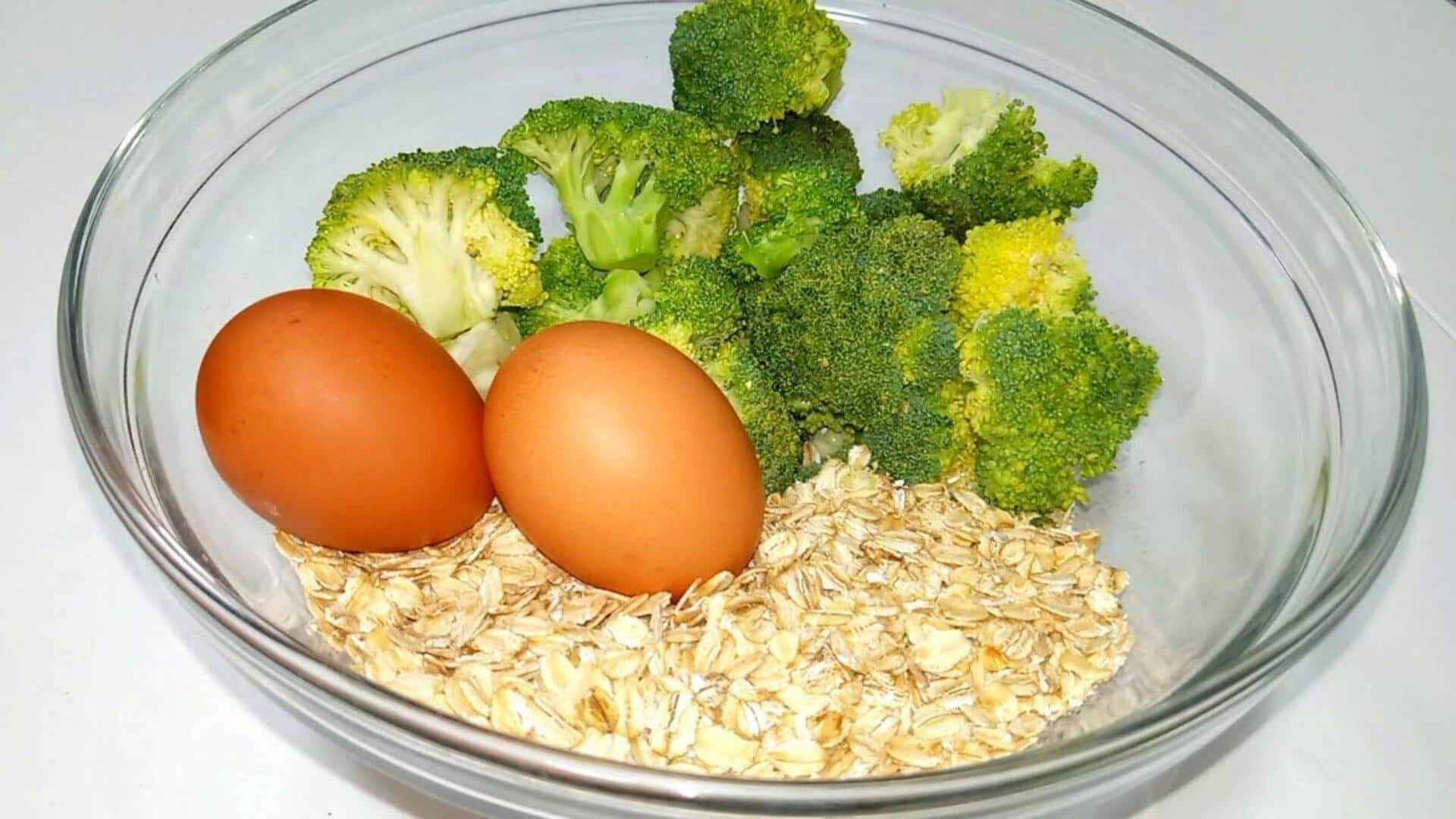
Oats v/s broccoli: A look at their nutritional differences
What's the story
Oats and broccoli are two of the most popular foods known for their health benefits. Both are nutrient-rich but serve different dietary needs. While oats are famous for their fiber content and heart health benefits, broccoli is known for its vitamins and minerals. Knowing the nutritional profiles of these foods can help you make informed dietary choices. Here's a look at the nutritional differences between oats and broccoli.
#1
Fiber content in oats
Oats are famous for their high fiber content, particularly beta-glucan.
This soluble fiber helps in lowering cholesterol levels and improving heart health.
A serving of oats can provide up to 14% of the recommended daily intake of fiber.
The fiber in oats also promotes healthy digestion by adding bulk to stool and facilitating regular bowel movements.
#2
Vitamins and minerals in broccoli
Broccoli is a powerhouse of vitamins and minerals, particularly vitamin C, vitamin K, folate, and potassium.
It provides more than 100% of the daily value for vitamin C per serving, which is important for immune function and skin health.
Vitamin K in broccoli is important for bone health and blood clotting processes.
#3
Caloric difference between oats and broccoli
When it comes to calorie count, oats are denser than broccoli owing to their carbohydrate content.
A cup of cooked oats has roughly 154 calories, while an equivalent serving of raw broccoli has only about 55 calories.
This difference makes broccoli a great option for those looking to keep their calorie intake in check without compromising on essential nutrients.
Tip 1
Antioxidant properties of broccoli
Broccoli also has antioxidants like sulforaphane that protect cells from oxidative stress.
These antioxidants may reduce the risk of chronic diseases such as cancer by neutralizing free radicals in the body.
Eating broccoli regularly may contribute to long-term health benefits owing to its antioxidant properties.