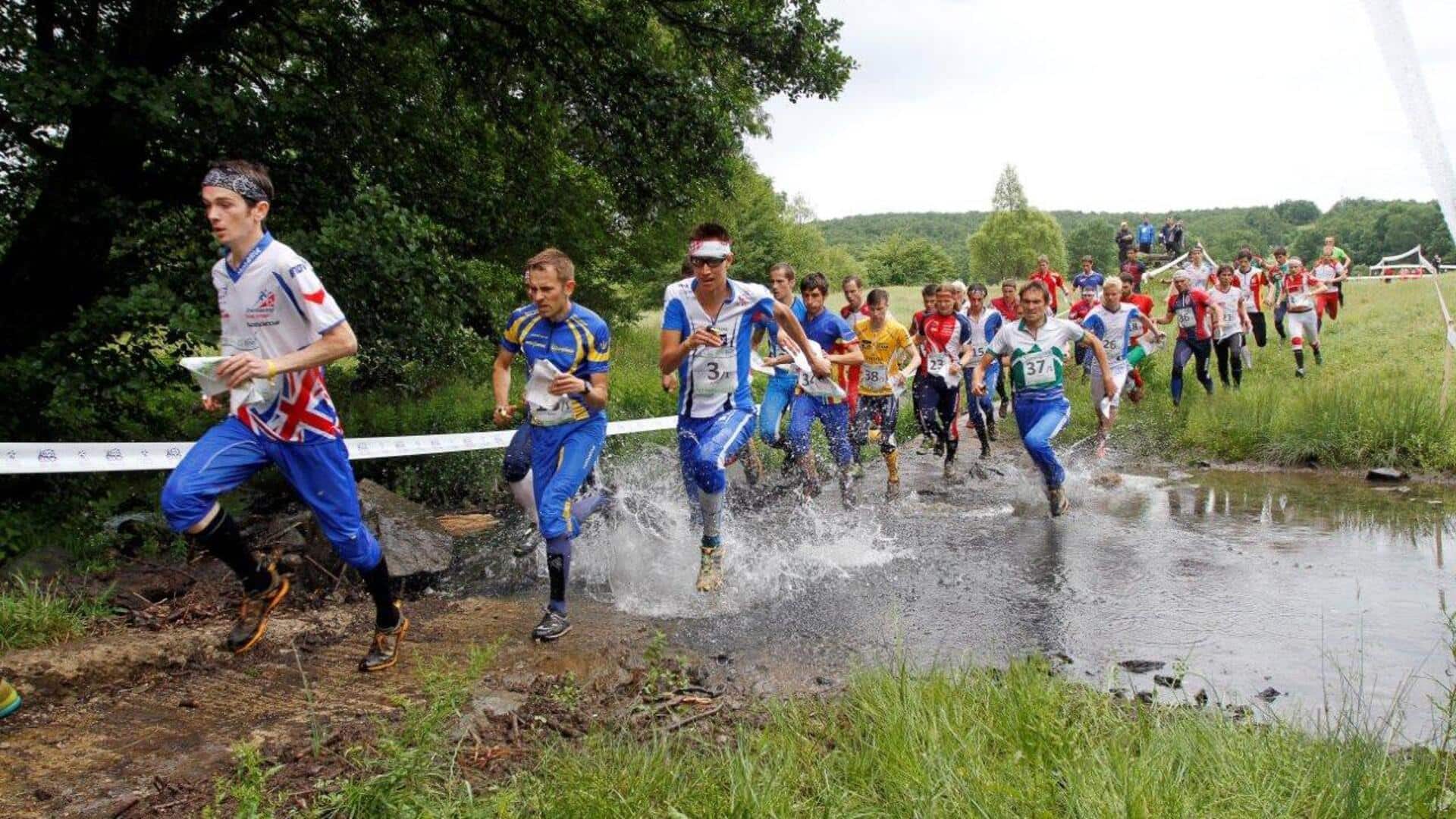
Orienteering v/s rowing: Which is better for teamwork?
What's the story
Orienteering and rowing are two activities that require teamwork, but they do so in different ways. While orienteering is about navigation and strategy, rowing is about synchronization and physical effort. Both activities can teach you valuable lessons about teamwork, but the lessons are different. Here are five insights from orienteering and rowing that highlight how each activity contributes to building effective teams.
Tip 1
Communication is key
In both orienteering and rowing, communication is key to success.
In orienteering, teams need to share information quickly to make decisions about routes and strategies.
In rowing, crew members must communicate constantly to ensure their movements are synchronized.
This insight highlights the importance of clear communication channels in any team setting.
Tip 2
Trust builds strong teams
Trust is an important element in both orienteering and rowing.
In orienteering, team members have to trust each other's judgment when it comes to navigation choices.
In rowing, trust comes into play when crew members rely on each other to perform their roles effectively without hesitation.
Building trust takes time but pays off in improved team performance.
Tip 3
Adaptability enhances performance
Both activities require teams to adapt to changing conditions.
In orienteering, teams may face unexpected obstacles or need to alter their route based on new information.
Rowers must adjust their techniques based on weather conditions or the performance of their teammates.
This adaptability allows teams to respond effectively to challenges as they arise.
Tip 4
Shared goals unite teams
Having shared goals is what keeps teams united in both orienteering and rowing.
These activities require all members to work towards a common objective, whether it's reaching a destination in orienteering or completing a race in rowing.
Shared goals align individual efforts with the team's purpose, resulting in greater cohesion.
Tip 5
Leadership emerges naturally
Leadership roles often emerge naturally during these activities as situations demand guidance or decision-making under pressure.
In orienteering, one member may take charge during critical navigation points; in rowing, the coxswain usually leads by coordinating the crew's actions.
Observing these dynamics can help identify potential leaders within any group setting.