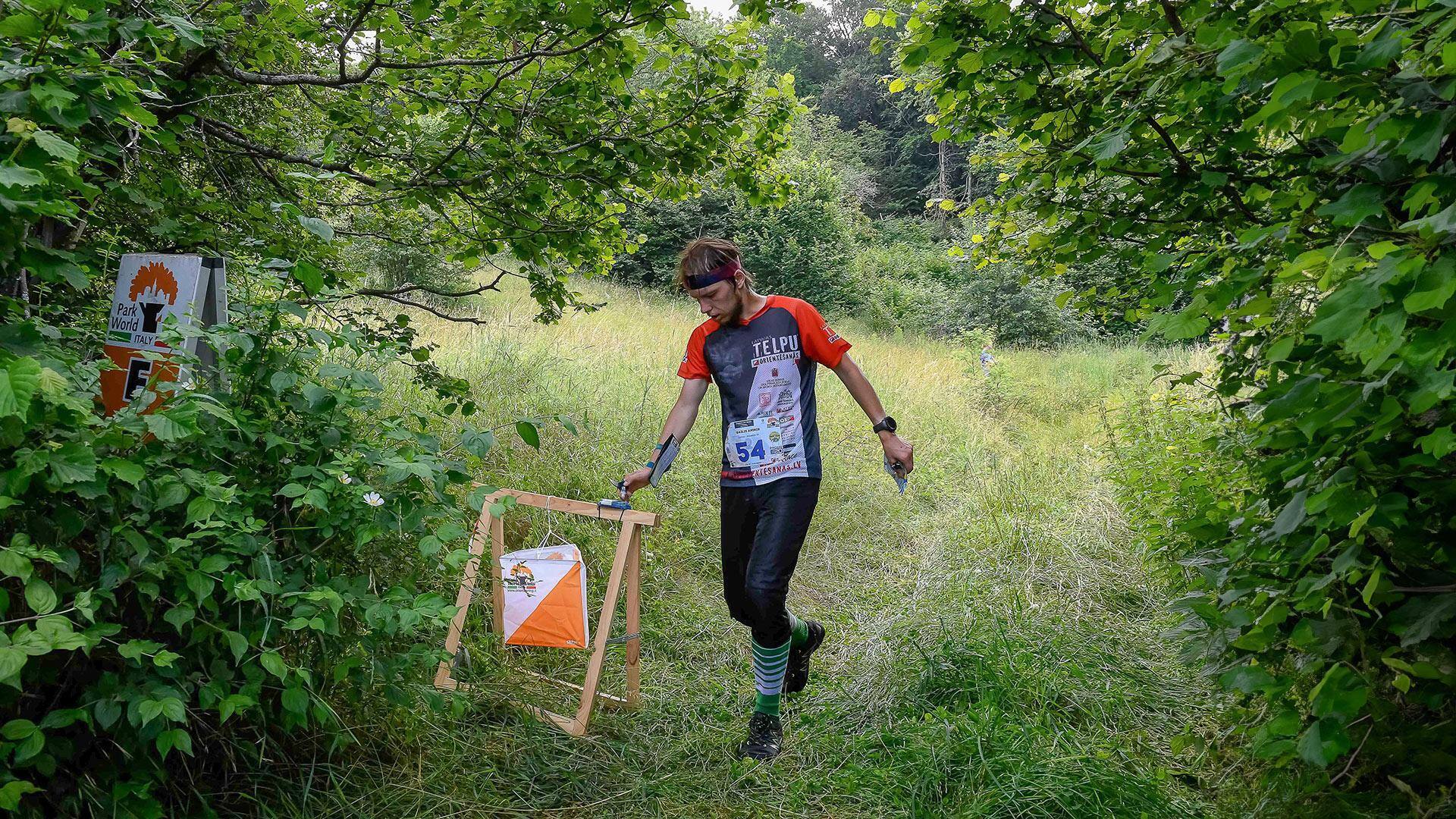
Orienteering v/s wall climbing: Which improves your decision-making skills?
What's the story
Orienteering and wall climbing are two activities that demand quick thinking and smart decision-making. While the former is about navigating through unfamiliar terrains using maps and compasses, the latter challenges you to make split-second decisions as you scale vertical surfaces. Both activities are physically demanding, but they also put your mental agility to the test. Here's how each activity hones your decision-making skills.
#1
Navigating through orienteering challenges
Orienteering is all about finding your way through unknown areas, which requires you to make quick decisions based on the information available on maps and compasses. Participants must assess their surroundings quickly, weigh different routes, and choose the best course of action. This activity improves spatial awareness and critical thinking skills as participants must constantly adapt to changing conditions.
#2
Strategic planning in wall climbing
Wall climbing is not just a physical challenge; it is also a mental puzzle. Climbers must plan their routes carefully, considering the placement of holds and their own physical capabilities. Each move requires careful consideration of balance, strength, and technique. The need for strategic planning enhances problem-solving skills as climbers learn to anticipate challenges and adjust their strategies accordingly.
#3
Risk assessment in both activities
Both orienteering and wall climbing involve an element of risk assessment. In orienteering, participants must evaluate potential hazards in unfamiliar environments, while also considering factors like weather conditions or terrain difficulties. Wall climbers must assess risks related to falls or equipment failure, while ensuring safety measures are in place before attempting climbs.
Tip 1
Enhancing focus through practice
Regular practice in either activity enhances focus by training individuals to concentrate on immediate tasks at hand. Orienteers learn to focus on navigation details amid distractions from nature or other participants. Climbers develop focus by honing in on specific moves during climbs while ignoring external pressures from height or time constraints.