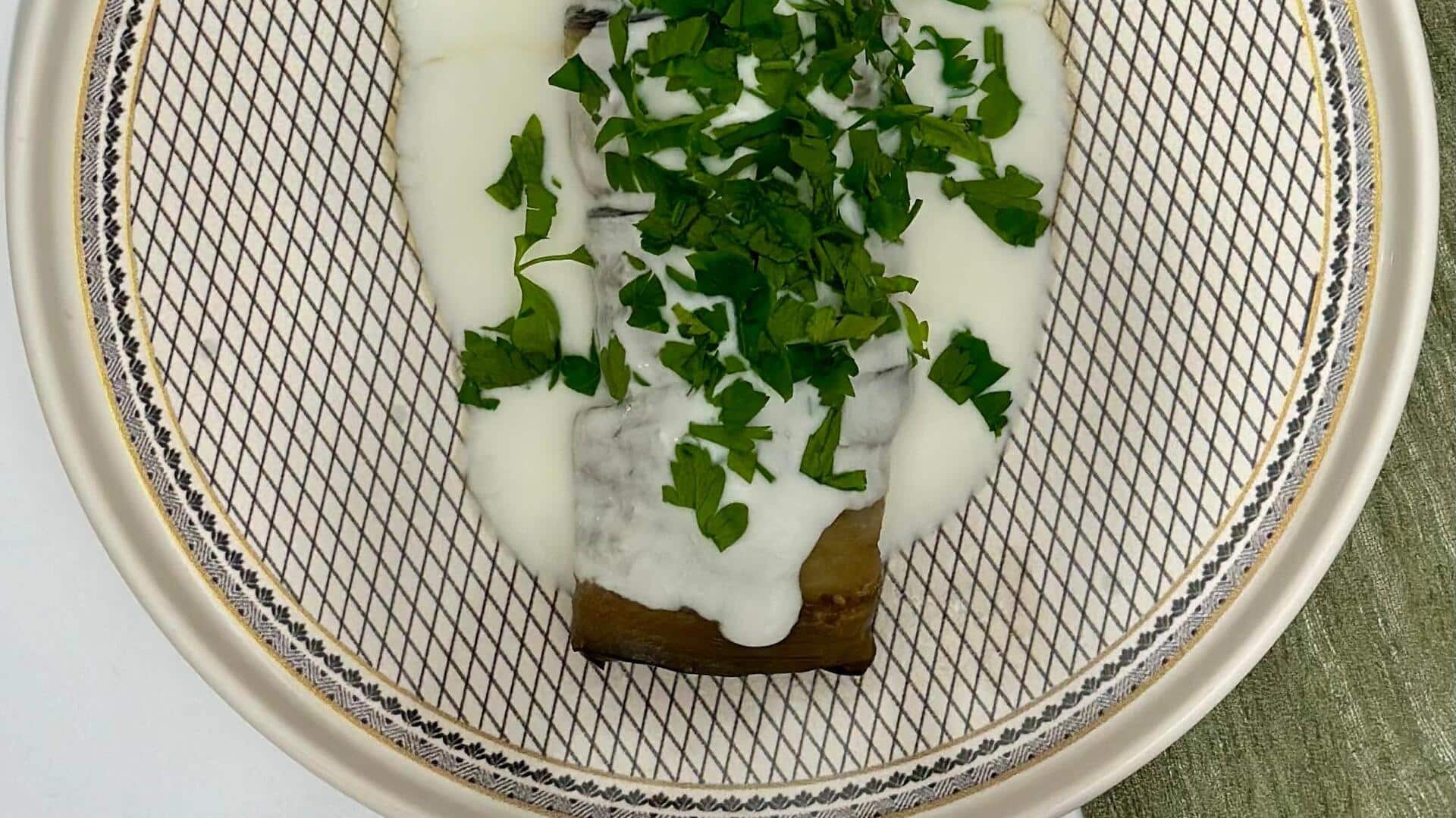
Pathrode: Why this traditional Karnataka dish is worth trying
What's the story
Pathrode, a traditional Karnataka dish, is making a comeback as a health food. This ancient delicacy is made from colocasia leaves and rice flour, steamed to perfection. Once a staple in many households, pathrode is now being rediscovered for its nutritional benefits. With the growing trend of healthy eating, pathrode offers a unique blend of taste and health that appeals to modern palates.
#1
Nutritional benefits of pathrode
Pathrode is rich in essential nutrients like fiber, vitamins A and C, and minerals like calcium and iron.
The colocasia leaves used in pathrode are known for their antioxidant properties, which help boost immunity.
The dish also offers a good amount of carbohydrates from rice flour, making it an energy source.
Its low-calorie content makes it an ideal choice for those looking to maintain or lose weight.
#2
Traditional preparation methods
Traditionally, pathrode is prepared by grinding rice flour with spices like cumin and coriander seeds.
The mixture is then spread on colocasia leaves, rolled tightly, and steamed until cooked through.
This method preserves the natural flavors of the ingredients while ensuring that the nutrients are retained.
The steaming process also makes it easier to digest compared to fried or baked alternatives.
#3
Modern twists on pathrode
In recent years, chefs have started experimenting with pathrode by adding new ingredients like grated coconut or jaggery for added flavor.
Some even use alternative flours like millet or quinoa to cater to different dietary preferences.
These modern twists maintain the essence of traditional pathrode while appealing to a wider audience looking for diverse culinary experiences.
#4
Tips for making perfect pathrode at home
To make perfect pathrode at home, select fresh colocasia leaves without any blemishes or holes.
Ensure that each leaf is evenly coated with the rice flour mixture before rolling them tightly to prevent any leakage during steaming.
Steaming time may vary depending on leaf size but generally takes about 30 minutes until fully cooked through without becoming mushy.