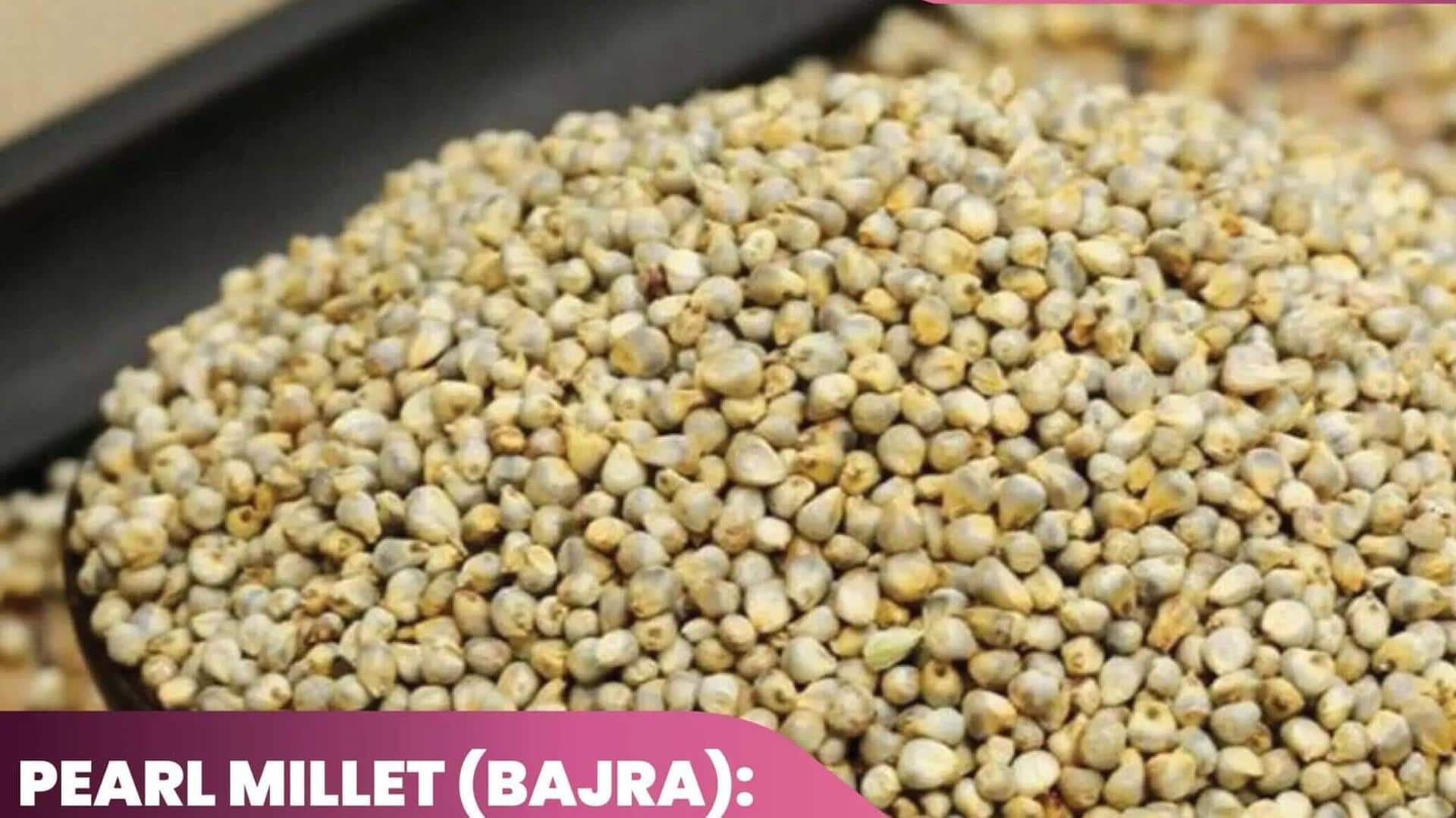
Pearl millet v/s barley: Which has more protein?
What's the story
Pearl millet and barley are two ancient grains that have been a part of human diets for centuries. Both grains are known for their nutritional benefits and are commonly used in various dishes across the globe. While they both offer unique health benefits, knowing their nutritional profiles can help you make informed dietary choices. Here is a look at the nutritional differences between pearl millet and barley.
#1
Fiber content comparison
Both pearl millet and barley are great sources of dietary fiber, which is essential for digestion and gut health.
Barley has a higher fiber content than pearl millet, making it an excellent option for those looking to increase their fiber intake.
The soluble fiber present in barley can help lower cholesterol levels and regulate blood sugar.
Pearl millet also offers good fiber content but is more commonly praised for its gluten-free properties.
#2
Vitamin and mineral profile
Pearl millet is rich in essential vitamins and minerals, such as magnesium, phosphorus, and B vitamins. It also provides iron, which is important for keeping anemia at bay.
Barley, on the other hand, is an excellent source of selenium and manganese, along with the aforementioned nutrients.
Both grains can contribute to your daily requirement of these essential nutrients, but have different strengths.
#3
Protein content analysis
When it comes to protein content, barley slightly outshines pearl millet with its higher protein levels per serving.
This makes barley a great choice for those looking to increase their protein intake through plant-based sources.
However, pearl millet still provides a decent amount of protein that can contribute to muscle repair and growth when consumed as part of a balanced diet.
Tip 1
Glycemic index considerations
The glycemic index (GI) measures how quickly foods raise blood sugar levels after consumption.
Pearl millet has a lower GI than barley, making it more suitable for those managing diabetes or looking for stable energy levels throughout the day, without spikes in blood glucose levels after meals.