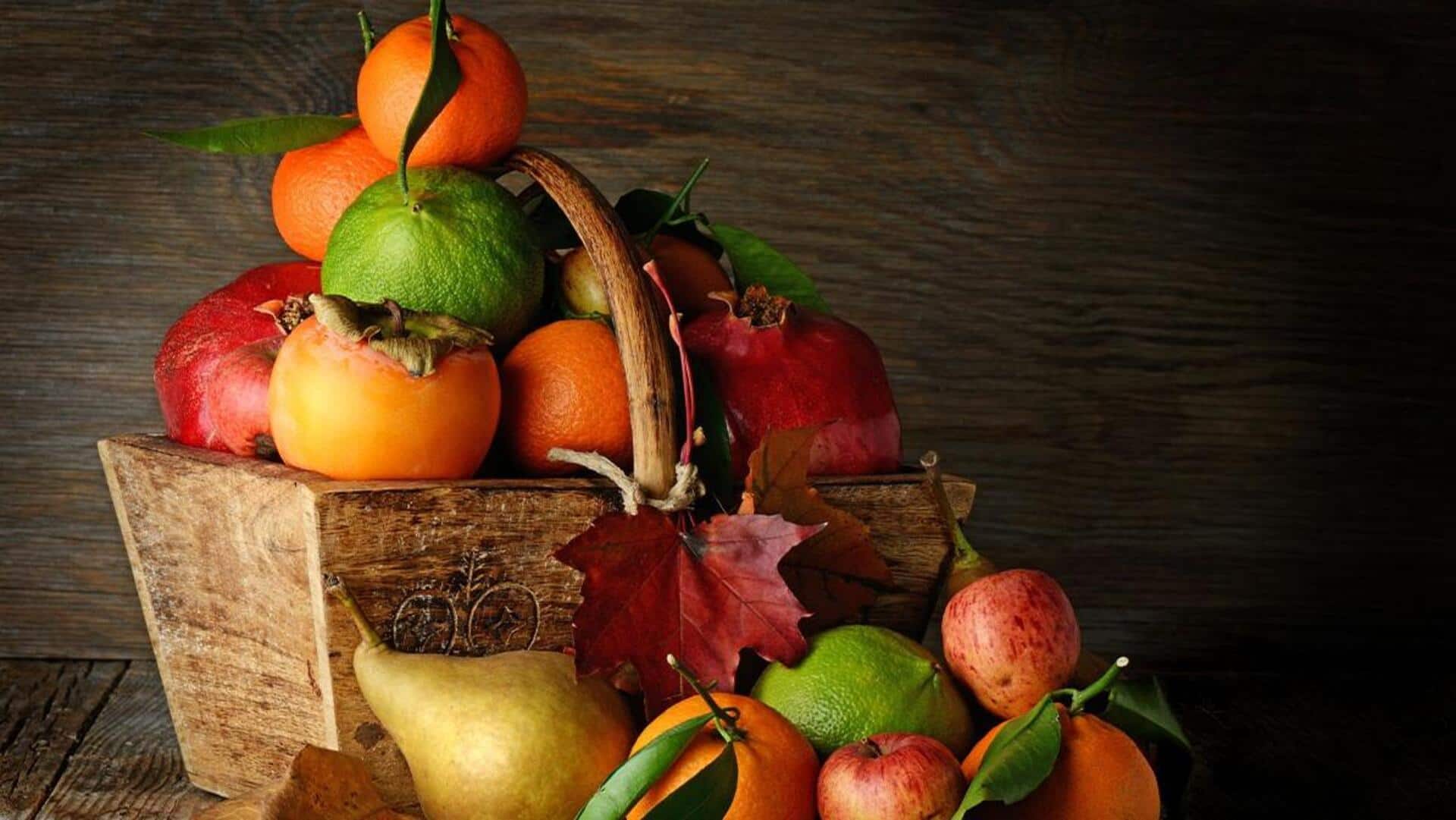
Pears v/s persimmons: Which is more nutritious?
What's the story
Pears and persimmons are two popular fruits, both known for their unique flavors and nutritional benefits. While they may look similar at first glance, the two fruits differ significantly in terms of nutrition. Knowing these differences can help you make informed dietary choices. Here's a look at the nutritional profiles of pears and persimmons, highlighting key differences that may affect your diet.
#1
Fiber content comparison
Pears are famous for their high fiber content, with one medium pear providing around six grams of fiber. This makes them an excellent choice for anyone looking to improve their digestive health or keep their weight in check. Persimmons, on the other hand, provide roughly three grams of fiber per medium fruit. While they still contribute to your daily fiber intake, they don't match pears in this department.
#2
Vitamin richness revealed
Both fruits are rich sources of vitamins but shine differently. Pears are a good source of vitamin C, offering about 10% of the daily recommended intake per medium fruit. Persimmons are richer in vitamin A, providing about 55% of the daily requirement per fruit due to their beta-carotene content. This difference makes each fruit beneficial for different nutritional needs.
#3
Caloric value insights
When it comes to calorie content, pears and persimmons differ slightly. A medium pear has about 100 calories, while a similar-sized persimmon has around 118 calories. The slight difference may affect calorie-conscious individuals looking to maintain or lose weight by choosing lower-calorie options.
#4
Sugar levels explained
Sugar content also varies between these two fruits. Pears have about 17 grams of sugar per medium fruit, while persimmons contain approximately 21 grams per fruit. For those watching their sugar intake or managing blood sugar levels, knowing these figures can help make better dietary decisions based on personal health goals.