
Pilates v/s slacklining: Which improves your balance better?
What's the story
Pilates and slacklining are two popular activities that promise improved balance and core strength. While both have their own benefits, they do so in different ways. Pilates, a low-impact exercise, focuses on controlled movements to strengthen the core. Slacklining, on the other hand, involves walking on a tensioned line between two points, challenging your stability and coordination. Here's how these activities compare in terms of enhancing balance and core strength.
#1
Pilates: Controlled movements for stability
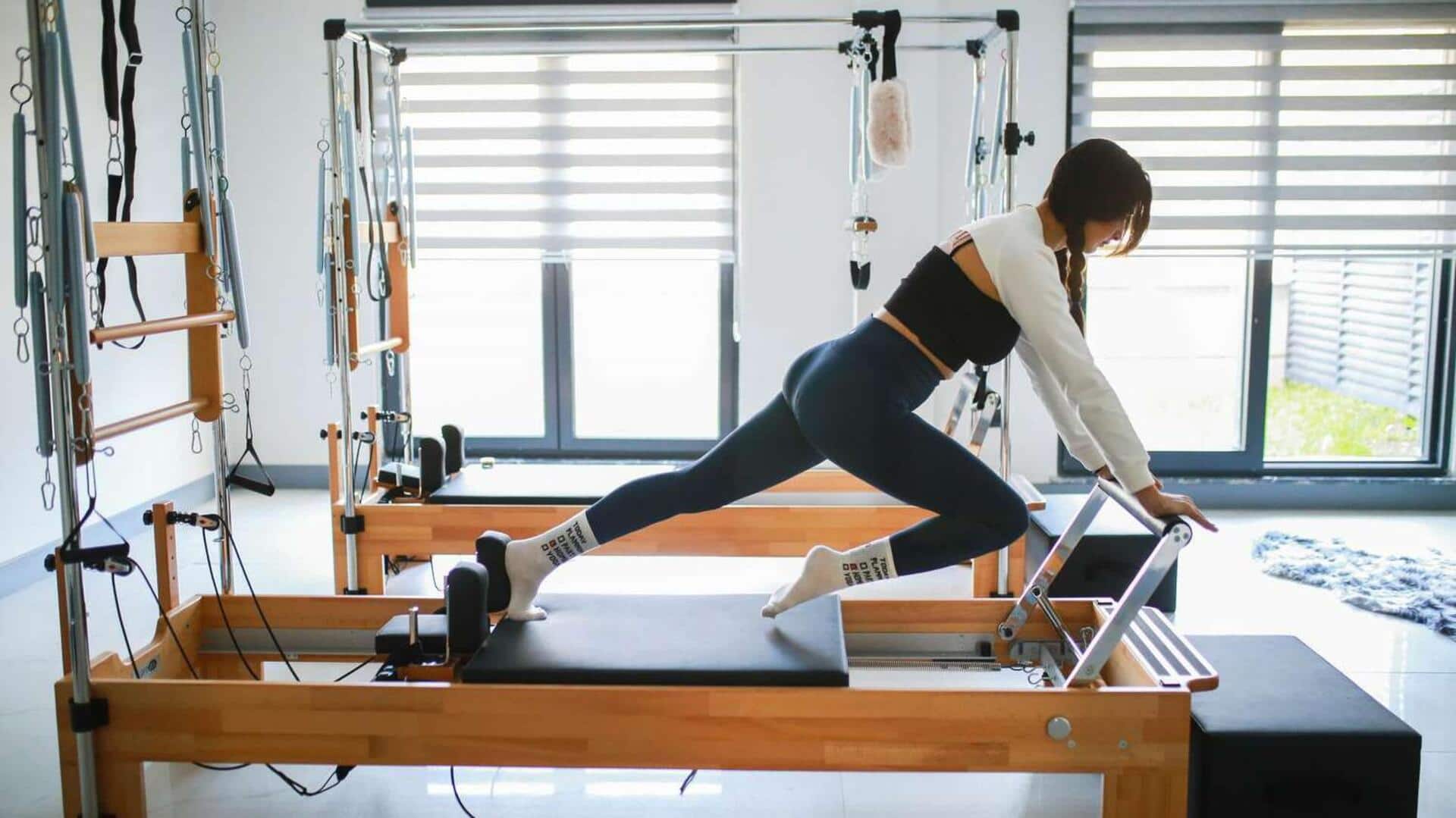
Pilates focuses on controlled movements that target the core muscles. By focusing on exercises that require precision and control, Pilates helps strengthen the deep abdominal muscles, which are key to maintaining balance. The slow-paced nature of Pilates allows practitioners to focus on form and technique, enhancing their ability to stabilize their body during dynamic movements.
#2
Slacklining: Dynamic challenge for coordination
Slacklining is all about walking on a narrow band stretched between two points. This activity challenges your coordination and reflexes as you have to adjust your body in real-time to stay balanced. The dynamic nature of slacklining activates various muscle groups, promoting overall body awareness and agility. It is an excellent way to test your limits while improving your proprioception.
#3
Core engagement in Pilates vs. slacklining
Both Pilates and slacklining engage core muscles but in different ways. Pilates uses specific exercises like the hundred or the teaser to isolate core muscles while providing resistance through body weight or equipment like reformers. Slacklining engages the core by requiring constant adjustments to maintain balance on an unstable surface.
Tip 1
Accessibility and equipment considerations
Pilates usually requires equipment like mats or reformers, though it can be practiced without them. Classes may cost more than home practice due to equipment use fees. Slacklining only requires a slackline kit, which is relatively inexpensive compared to gym memberships for Pilates classes. However, slacklining needs outdoor space or a safe indoor setup with enough height clearance.