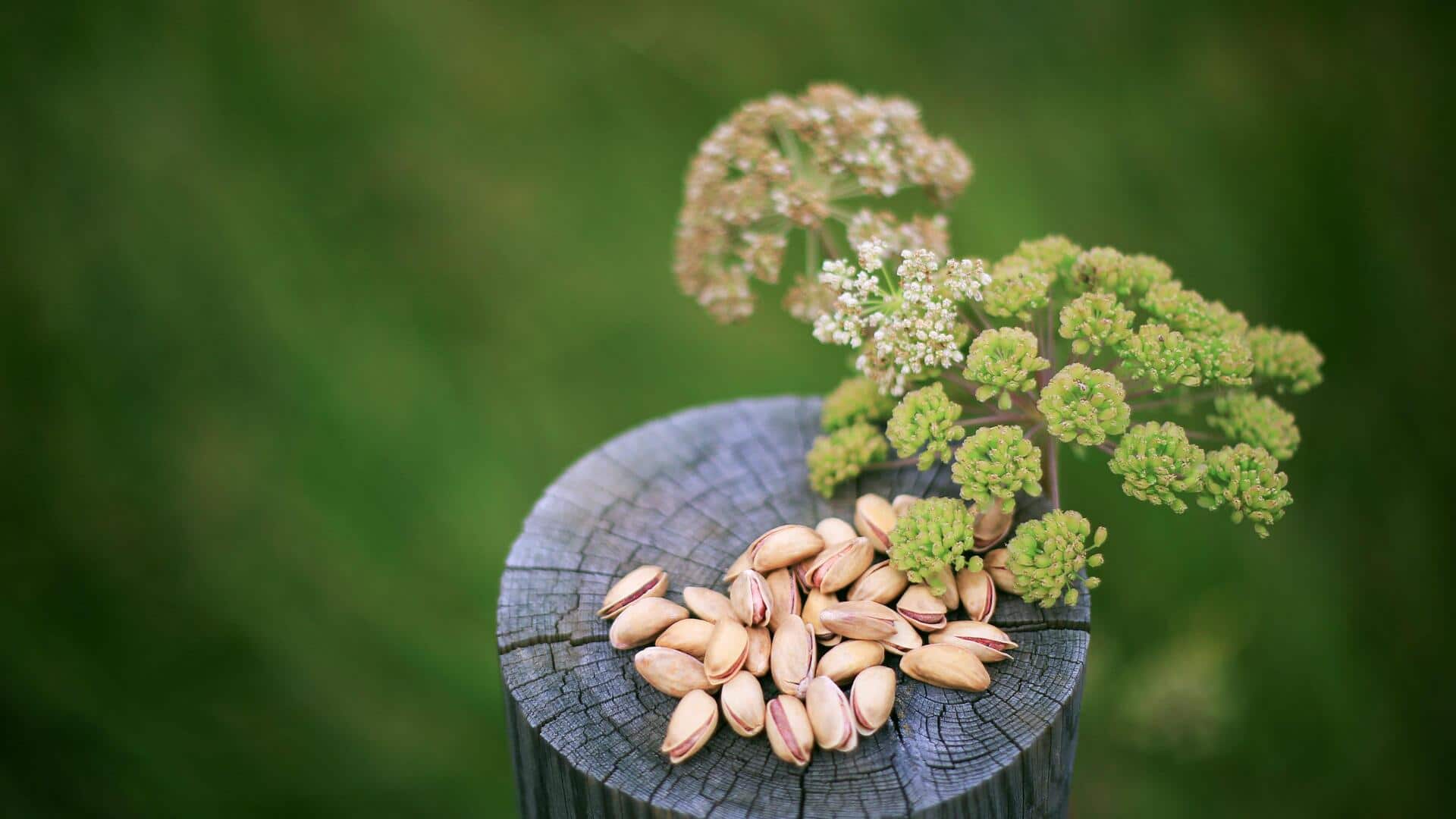
The big difference between pistachios and macadamia nuts
What's the story
Pistachios and macadamia nuts are two popular choices for those looking for a healthy snack. Both the nuts are packed with nutrients but differ in their nutritional profiles. Knowing the difference can help you make an informed choice based on your dietary needs. Here, we take a look at the nutritional differences between pistachios and macadamia nuts, focusing on their fat content, protein levels, vitamins, and minerals.
#1
Fat content analysis
Pistachios have a lower fat content than macadamia nuts. While pistachios have about 13 grams of fat per ounce, macadamia nuts have about 21 grams per ounce. However, the fat in both nuts is mostly healthy unsaturated fat. Pistachios have more polyunsaturated fats, while macadamia nuts are richer in monounsaturated fats. Both fats are good for heart health when consumed in moderation.
#2
Protein levels compared
When it comes to protein content, pistachios take the lead with about six grams of protein per ounce, compared to macadamia nuts' two grams per ounce. The higher protein content makes pistachios a better option for those looking to up their protein intake or looking for plant-based protein sources. The protein in pistachios also helps with muscle repair and growth.
#3
Vitamin content differences
Pistachios are a great source of vitamin B6, providing about 30% of the daily recommended intake per ounce. They also provide vitamins E and K in smaller amounts. Macadamia nuts are rich in thiamin (vitamin B1) and provide some vitamin A. Both nuts can contribute to your daily vitamin intake, but they focus on different vitamins.
#4
Mineral composition insights
Pistachios are a great source of potassium, providing about 290 milligrams per ounce, which is important for keeping blood pressure levels in check. They also provide magnesium and phosphorus in smaller amounts. Macadamia nuts are rich in manganese and copper, which are important for bone health and antioxidant functions in the body.