Clay painting: What makes this art form so unique
What's the story
African clay painting is a traditional art form that has been practiced for centuries. It involves using natural clay to create vibrant, intricate designs on surfaces. This technique is not only a means of artistic expression but also a way to preserve cultural heritage. The use of locally sourced materials makes it an accessible art form for many communities across Africa. Its unique aesthetic appeals to both local and global audiences.
#1
Historical roots of clay painting
Clay painting has deep historical roots in Africa, dating back 1,000s of years. It was used by ancient civilizations to tell stories and document events.
The practice was often seen in ceremonial settings, or as part of daily life in some communities.
Over time, these paintings became an important part of cultural identity, passed down through generations.
#2
Techniques and materials used
The techniques used in African clay painting vary from region to region, but they all involve natural pigments from the earth.
Artists mix these pigments with water or other binding agents to create paintable pastes.
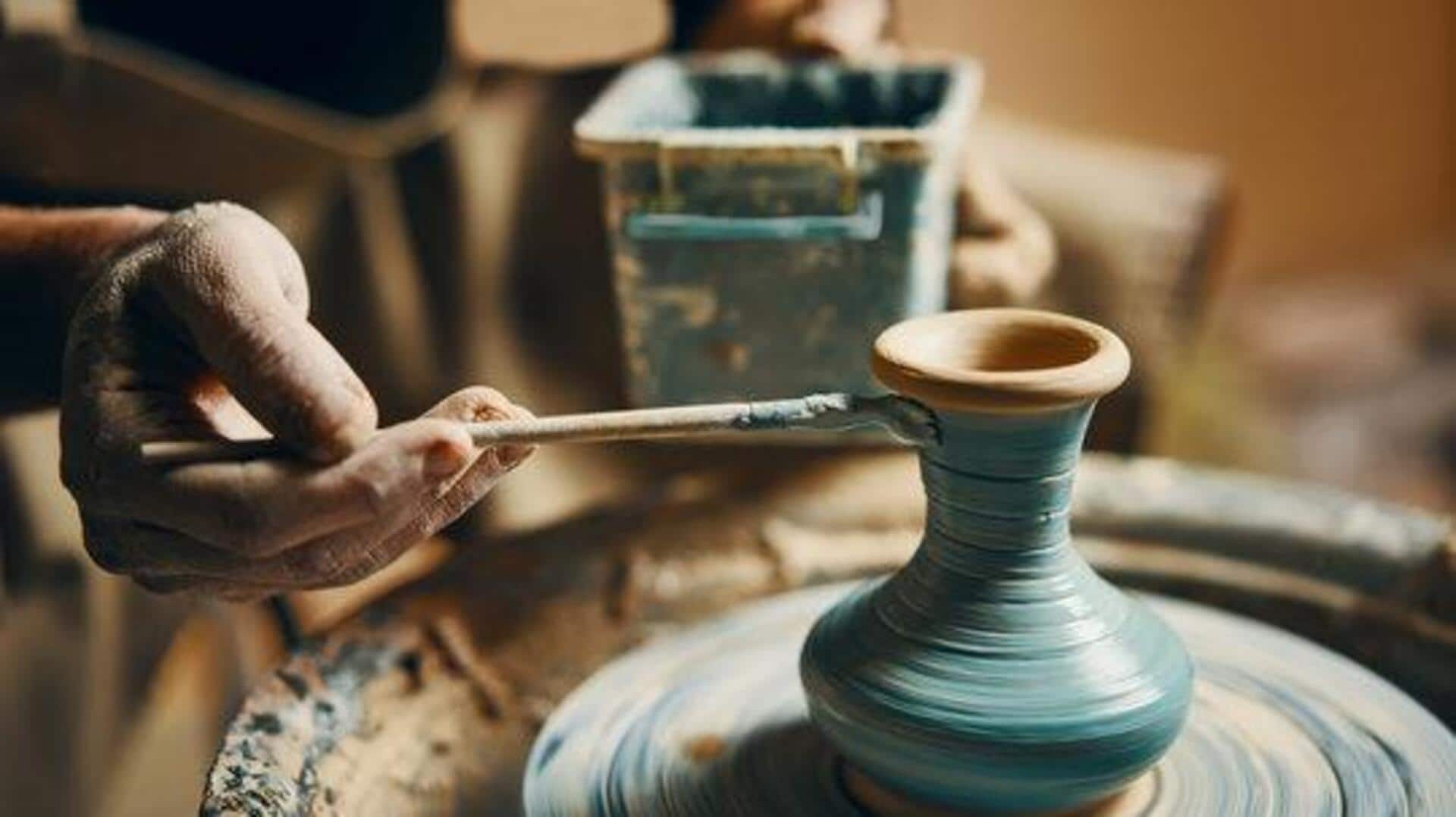
The application can be done with brushes made from local materials, or even fingers for more intricate details.
#3
Modern adaptations and influences
In recent years, we have seen modern adaptations of traditional African clay painting techniques. Artists are experimenting with new forms and styles while retaining the essence of their heritage.
Some even incorporate contemporary themes or collaborate with other art forms, like sculpture or textile design, to create unique pieces that resonate with today's audiences.
#4
Economic impact on communities
The practice of clay painting has a significant economic impact on African communities, providing income through the sale of artworks at local and international markets.
Artisans often work in cooperatives, which provide fair wages, and support sustainable development initiatives.
This not only preserves cultural traditions but also contributes to the economic growth of these regions.