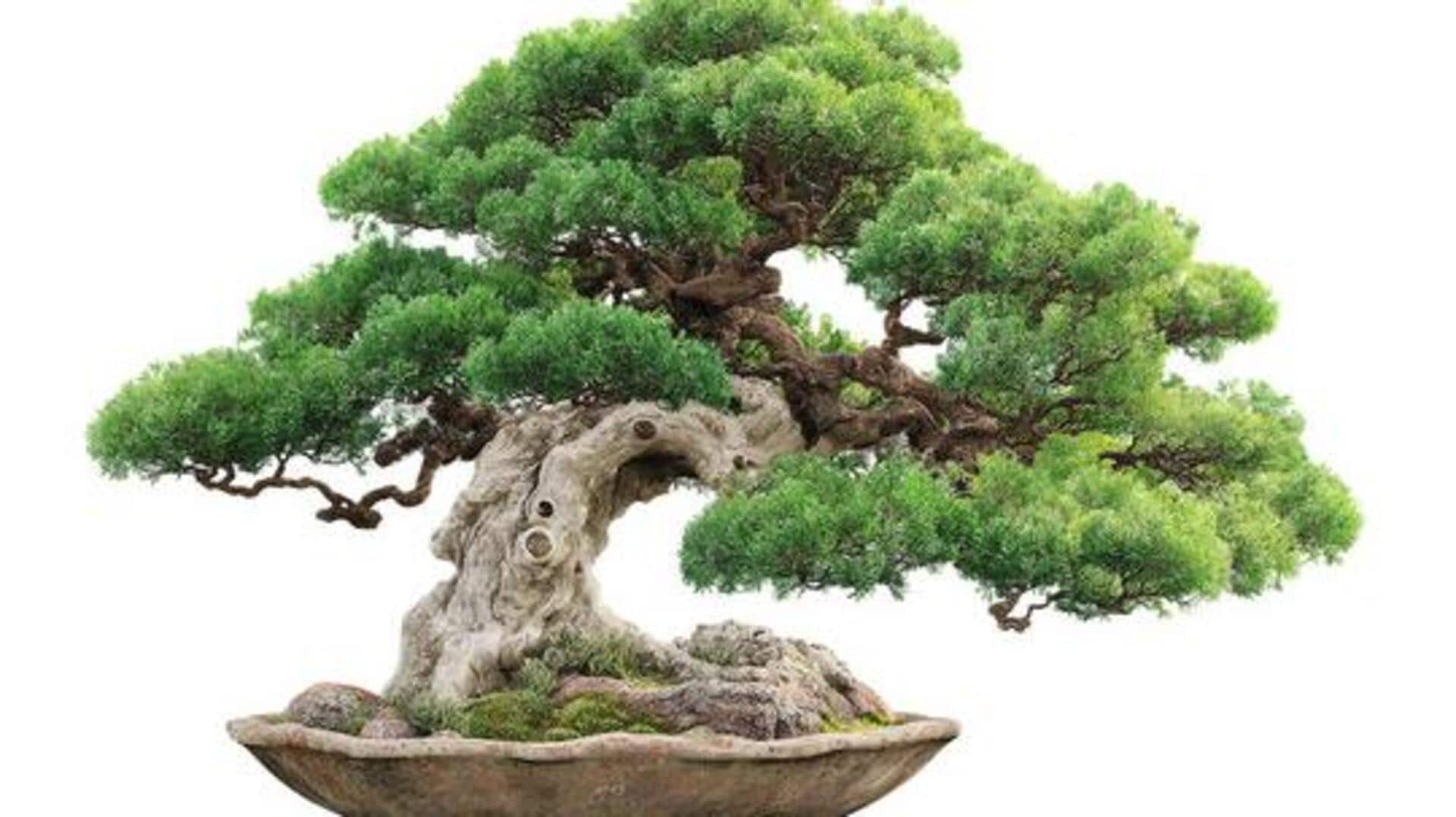
This bonsai idea is great for small spaces
What's the story
Rosemary bonsai is a great way to add some greenery to your indoor space. This aromatic herb, known for its culinary and medicinal uses, can be grown indoors with the right care. With its needle-like leaves and woody stems, rosemary bonsai makes for an attractive plant that can thrive in limited space. Here are some tips to grow and maintain rosemary bonsai indoors.
Tip 1
Choosing the right container
Selecting an appropriate container is key to growing rosemary bonsai indoors.
Pick a pot with drainage holes to avoid waterlogging the roots.
A shallow container would be ideal, as it mimics the natural habitat of rosemary plants.
Make sure the pot's size allows for root growth while keeping the plant small.
Tip 2
Soil requirements for rosemary bonsai
Rosemary prefers well-draining soil with a slightly acidic pH level between six and seven.
A mixture of potting soil, sand, or perlite will improve drainage and aeration.
Do not forget to repot every couple of years to refresh nutrients and avoid root-bound conditions.
Tip 3
Light and temperature needs
Rosemary bonsai needs bright light to flourish indoors.
Place it near a south-facing window where it can soak up at least six hours of sunlight every day.
If natural light is insufficient, you can use grow lights as an alternative.
Maintain indoor temperatures between 15 degrees Celsius and 24 degrees Celsius to keep your plant healthy.
Tip 4
Watering techniques for optimal growth
Proper watering is essential for rosemary bonsai health.
Water when the top inch of soil feels dry, but avoid overwatering, as this can cause root rot.
Ensure excess water drains out completely from the pot after each watering session.
During winter months, reduce watering frequency due to lower evaporation rates.
Tip 5
Pruning and shaping tips
Regular pruning helps shape your rosemary bonsai while promoting bushier growth.
Trim back new shoots regularly using sharp scissors or pruning shears, taking care not to remove more than one-third of foliage at a time.
This encourages healthy branching without stressing the plant too much.