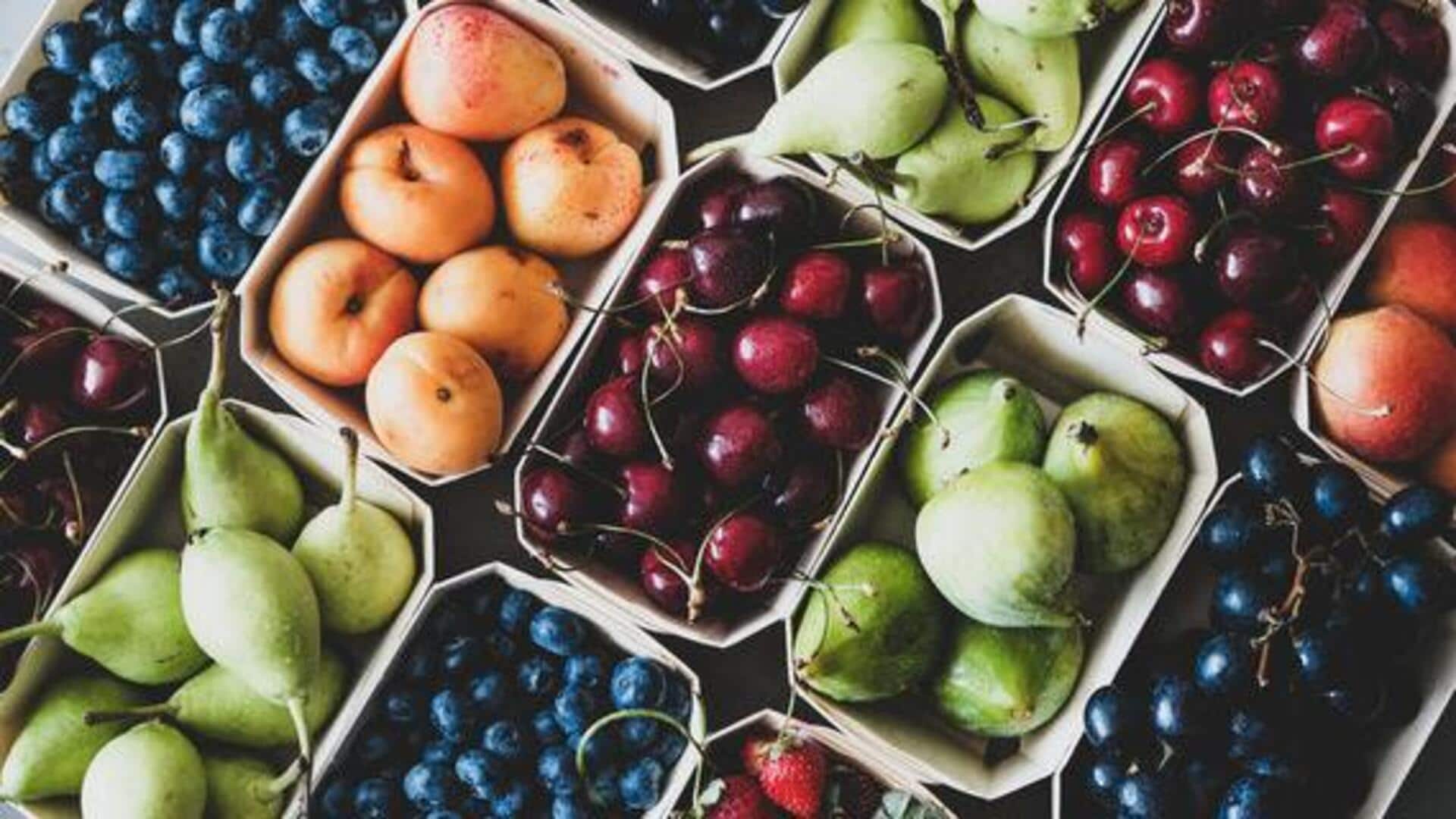
Seasonal eating: Myths v/s facts
What's the story
Seasonal eating is often the subject of many myths, which can confuse people about its benefits and practices. While some believe it is the best way to eat, others are skeptical of its benefits. This article aims to debunk some common myths about seasonal eating, and give you a clearer idea of what it really means and how it can benefit your health and lifestyle.
Cost misconception
Myth: Seasonal eating is expensive
One common myth is that seasonal eating costs a lot more than eating out of season.
However, seasonal produce is usually cheaper as it is more readily available and doesn't have to be imported from far-off places.
Buying locally grown fruits and vegetables in their peak season can actually save you a lot of money.
Variety myth
Myth: Seasonal eating limits variety
Another misconception is that eating seasonally limits your food choices.
In fact, seasonal eating encourages you to explore different produce throughout the year.
Each season brings a unique array of fruits and vegetables, encouraging culinary creativity and diversity in your diet.
This approach not only broadens your palate but also ensures that you enjoy a wide range of nutrients.
Availability myth
Myth: All produce is available year-round
A common myth is that all produce can be found year-round, regardless of the season.
In reality, many fruits and vegetables have specific growing seasons when they are at their best in terms of flavor and nutritional value.
Eating in sync with these natural cycles ensures you get the freshest and most nutritious options available.
Effort misconception
Myth: Seasonal eating requires more effort
Some believe that adopting a seasonal diet requires too much effort or planning.
However, it can be as simple as visiting local farmers' markets or joining community-supported agriculture programs.
These initiatives often provide convenient access to fresh produce without requiring extensive preparation or planning on your part.
Organic vs. seasonal
Myth: Organic equals seasonal
While organic produce is often associated with being more sustainable, it doesn't always mean it's seasonal.
Organic farming focuses on how crops are grown, but not when they're harvested.
You can find non-organic fruits and vegetables that are grown locally during their peak seasons, providing an economical alternative without compromising on quality.