How to choose a sustainable water bottle
What's the story
Africa's diverse landscapes and climates make it essential to choose the right water bottle for sustainability. With the continent's varying temperatures and conditions, selecting a durable and eco-friendly bottle is crucial. This guide provides insights into selecting sustainable water bottles that are suitable for different African environments. By considering materials, design, and functionality, you can make informed choices that benefit both you and the planet.
#1
Material matters: Choose wisely
When it comes to sustainability, the material of your water bottle is key.
Stainless steel is a popular choice as it is durable and recyclable.
Glass bottles are also a good option, but they may not be practical in all situations due to their weight.
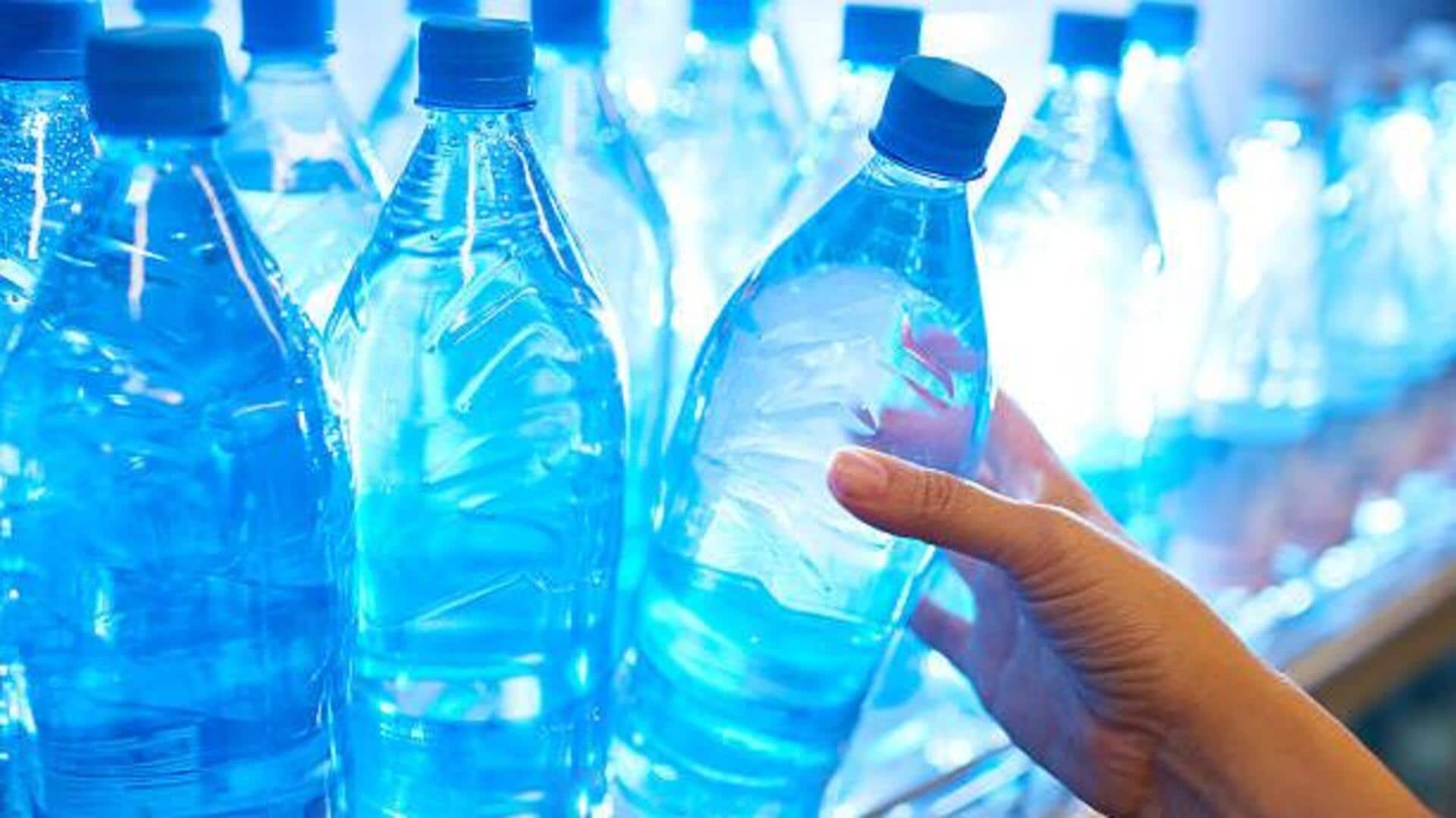
Plastic bottles should be avoided unless they are made from recycled materials and can be reused multiple times without degrading.
#2
Design for functionality
The design of a water bottle can influence its usability in various African climates.
Bottles with insulated walls keep beverages cold in hot weather, while those with wide mouths allow for easy cleaning and filling.
Consider features like leak-proof lids, built-in filters, or collapsible designs that enhance portability and convenience.
#3
Size matters: Find your fit
Selecting the right size is important for both hydration needs and portability.
Smaller bottles (500ml to 750ml) are ideal for short trips or daily use, while larger ones (1L to 2L) are better suited for longer journeys or outdoor activities.
Think about how much water you need on an average day and how much weight you're willing to carry.
#4
Eco-friendly options: Go green
Opting for eco-friendly options not only helps the environment but also promotes sustainable practices across Africa.
Some brands offer bottles made from biodegradable materials or those that contribute towards clean water projects with every purchase.
Supporting such initiatives helps reduce plastic waste and encourages responsible consumption habits among users.