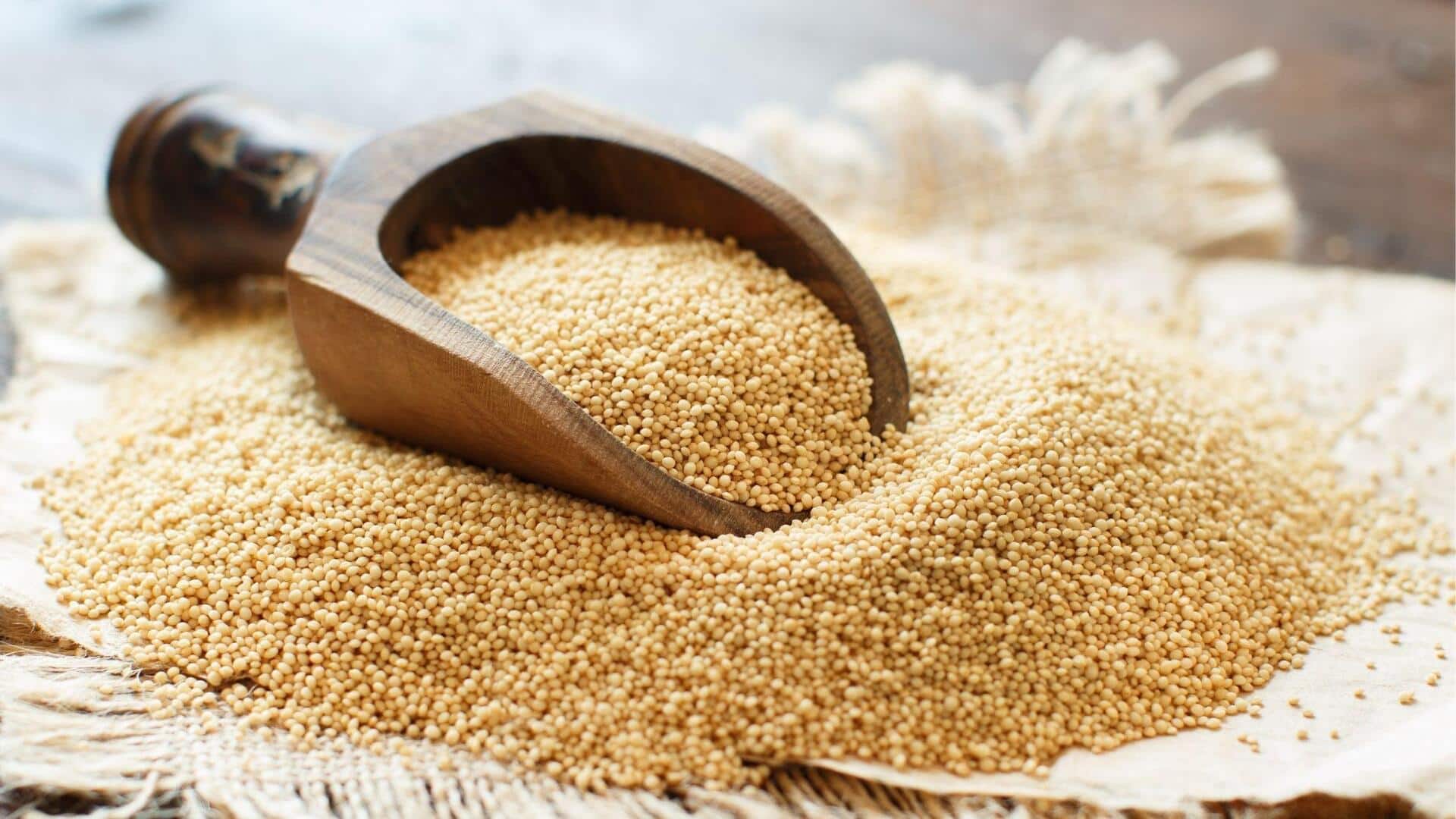
Amaranth: This grain has amazing health benefits
What's the story
Often overshadowed by more popular grains, amaranth is gaining attention for its potential health benefits. This ancient grain, rich in nutrients, offers several advantages that may surprise many. Known for its high protein content and gluten-free nature, amaranth is becoming a staple in many diets. Its versatility in cooking and baking makes it an appealing option for those looking to diversify their grain intake.
#1
High protein content
Amaranth is also packed with protein, which is essential for repairing tissues and building muscles.
Unlike many other grains, amaranth has all nine essential amino acids, making it a complete protein source.
This makes it especially beneficial for vegetarians and vegans, who may struggle to get enough protein from plant-based sources alone.
Adding amaranth to your diet can help meet daily protein needs without relying on animal products.
#2
Rich in micronutrients
Apart from protein, amaranth is also loaded with micronutrients such as iron, magnesium, and calcium.
Iron is essential for transporting oxygen in the blood, while magnesium supports muscle function and bone health.
Calcium is important for maintaining strong bones and teeth.
Including amaranth in your diet can help you meet the recommended daily intake of these important minerals.
#3
Gluten-free alternative
For people with celiac disease or gluten sensitivity, finding suitable grains can be difficult.
Amaranth makes for a great gluten-free alternative to wheat-based products, such as bread and pasta.
Its naturally occurring proteins provide structure when cooked or baked with other gluten-free ingredients, such as rice flour or tapioca starch.
#4
Antioxidant properties
Amaranth also contains antioxidants such as vitamin E and phenolic compounds that help fight oxidative stress in the body by neutralizing free radicals.
These harmful molecules can cause cellular damage if left unchecked over time.
Regular consumption of antioxidant-rich foods, like amaranth, may contribute positively toward overall health by reducing inflammation-related risks associated with chronic diseases, like heart disease or diabetes mellitus type two (DM2).