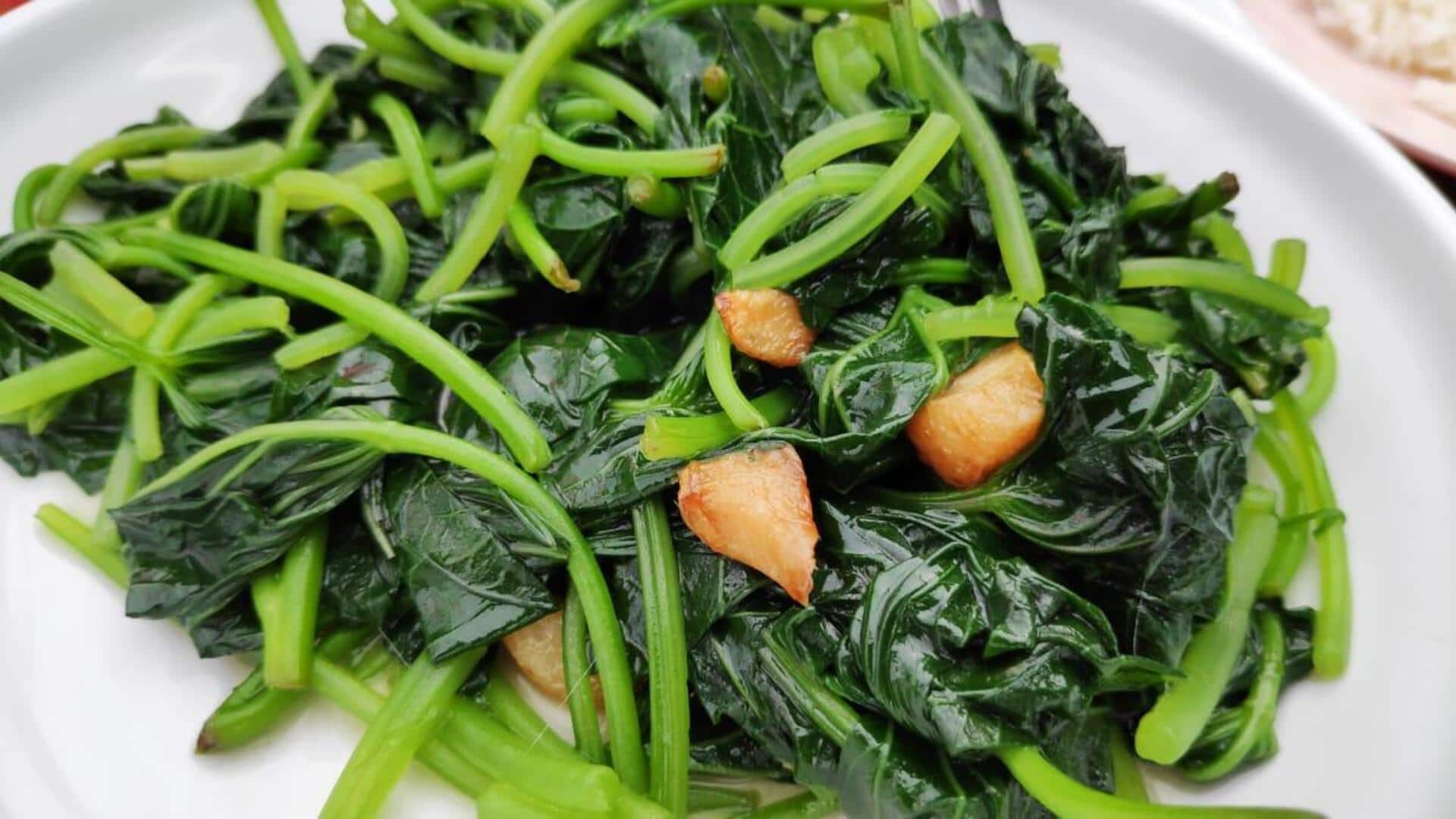
Why sweet potato leaves are a nutritional powerhouse
What's the story
Often ignored in the world of leafy greens, sweet potato leaves are a nutritional powerhouse. These vibrant green leaves are packed with essential nutrients and offer a range of health benefits. While sweet potatoes are widely consumed for their nutritional value, their leaves also deserve attention. Rich in vitamins and minerals, sweet potato leaves can be a valuable addition to your diet.
#1
Nutrient-rich composition
Sweet potato leaves are loaded with essential nutrients, such as vitamin A, vitamin C, and calcium.
They also provide dietary fiber that promotes digestion and overall gut health.
The high antioxidant content helps fight oxidative stress in the body.
Including these leaves in your diet can help meet daily nutritional requirements without adding excessive calories.
#2
Potential health benefits
Consuming sweet potato leaves may offer several health benefits due to their rich nutrient profile.
They may help boost immune function because of their high vitamin C content.
The presence of beta-carotene supports eye health by maintaining good vision and preventing age-related macular degeneration.
Additionally, the calcium content supports bone health.
#3
Culinary uses and preparation tips
Sweet potato leaves can be easily incorporated into various dishes for added nutrition.
They can be steamed or sauteed as a side dish, or added to soups and stews for extra flavor and texture.
When preparing these leaves, it's important to wash them thoroughly to remove any dirt or pesticides before cooking.
Tip 1
Environmental impact considerations
Growing sweet potatoes and their leaves has a lower environmental impact than other crops.
They require less water and can grow in poor soil, making them a sustainable choice for farmers.
This not only preserves biodiversity but also contributes to global food security by providing a nutritious food source that can be cultivated with fewer resources.