All about Swazi grass mats
What's the story
Swazi grass mats have been an integral part of Southern African culture for centuries. Traditionally, these mats were used for practical purposes such as flooring and seating. However, in recent years, they have evolved into contemporary designs that reflect modern aesthetics while retaining their cultural significance. This article explores the transformation of Swazi grass mats from traditional to contemporary designs, highlighting their versatility and enduring appeal.
#1
Traditional craftsmanship meets modern design
The craftsmanship behind Swazi grass mats is deeply rooted in tradition.
Made from locally sourced grasses, these mats are woven by skilled artisans who have inherited the craft through generations.
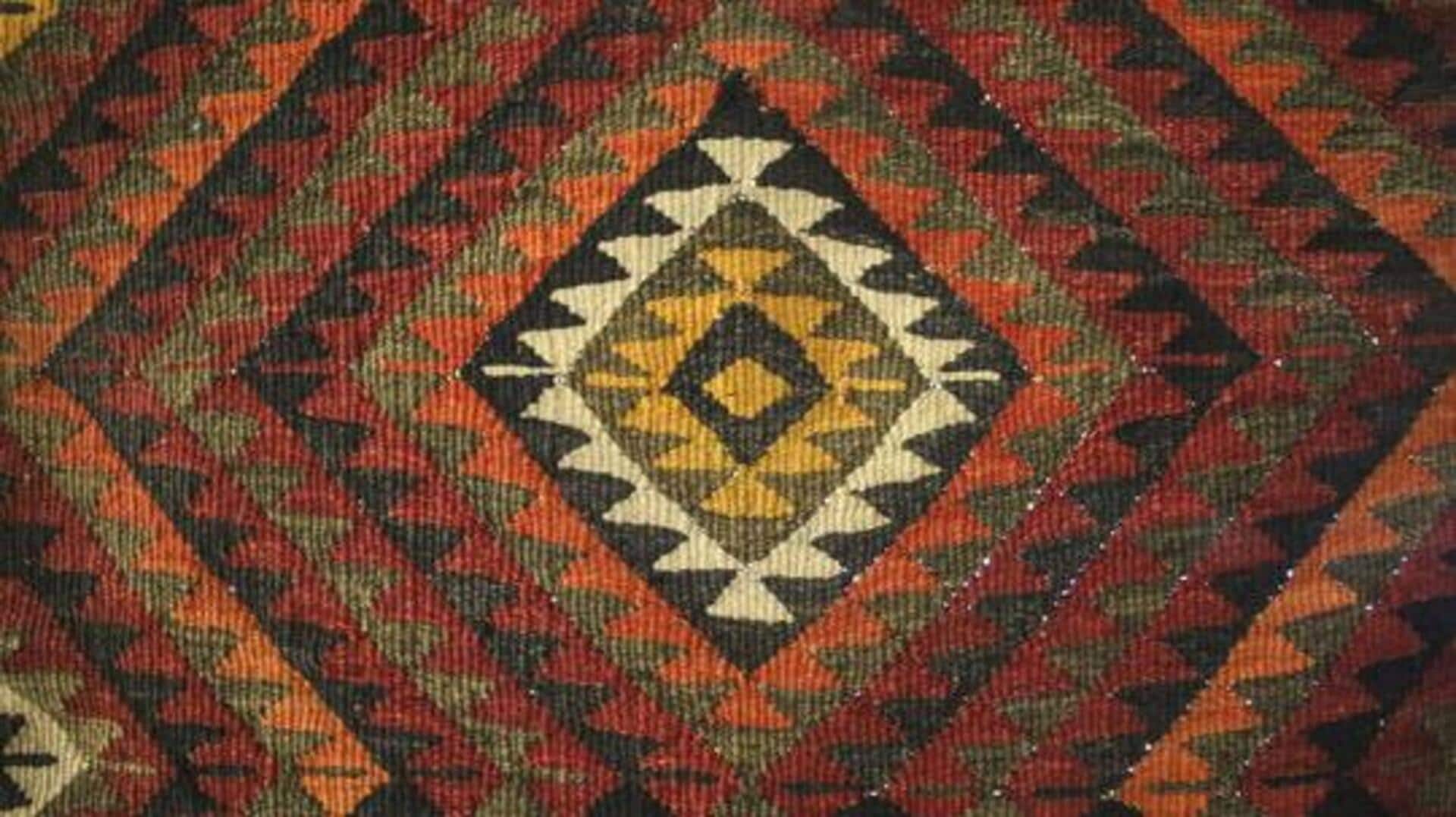
The intricate patterns and textures of traditional designs are now being blended with modern design elements.
This fusion creates unique pieces that appeal to both cultural enthusiasts and contemporary decor lovers.
#2
Versatility in use and application
Swazi grass mats are no longer limited to traditional uses. Today, they are used in various settings such as homes, offices, and public spaces.
Their versatility makes them ideal for use as decorative wall hangings, table runners, or even as part of larger art installations.
The adaptability of these mats makes them suitable for different environments while adding a touch of cultural elegance.
#3
Sustainable artistry in modern times
The production of Swazi grass mats also promotes sustainability, as it utilizes renewable resources and supports local economies.
Artisans continue to use eco-friendly practices in their work, ensuring minimal environmental impact.
The growing demand for sustainable products has increased the popularity of Swazi grass mats among environmentally conscious consumers who appreciate both their beauty and ecological benefits.
#4
Economic impact on local communities
The evolution of Swazi grass mats from traditional to contemporary designs has also positively impacted local communities economically.
As demand increases globally, artisans get more opportunities to showcase their work beyond regional markets.
This not only provides them with a source of income but also preserves cultural heritage through continued craftsmanship education among younger generations.