Table tennis v/s squash: Which improves focus more?
What's the story
Table tennis and squash are two fast-paced racquet sports that require quick reflexes and sharp mental focus. While both games are fun, they also offer unique challenges to players looking to improve their mental agility. The article explores how each sport contributes to enhancing mental focus, looking at the cognitive demands, reaction times, and strategic thinking involved in both games.
#1
Cognitive demands of table tennis
Table tennis is famous for its fast-paced nature and quick exchanges. Players need to stay focused all the time as the ball moves at high speeds. This constant need for attention improves one's ability to concentrate on multiple things at once. The need to predict the opponent's moves and plan one's own strategies further enhances cognitive processing skills. This sport can help improve your mental agility by leaps and bounds.
#2
Reaction times in squash
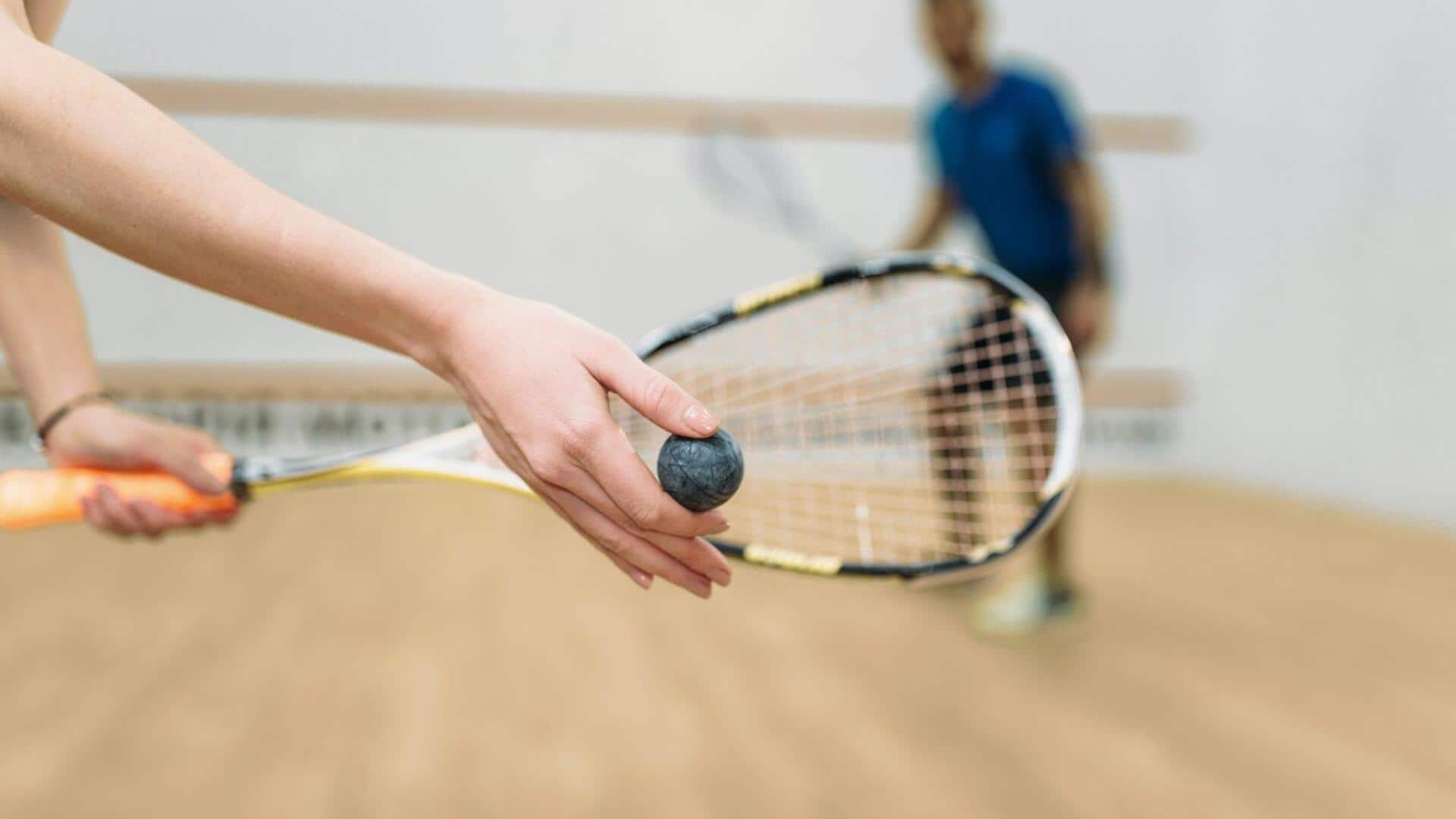
Squash is played in an enclosed court where players hit a ball against walls. The enclosed space makes the game even more unpredictable, requiring players to react quickly to changing situations. This constant need for quick decision-making sharpens reflexes and improves reaction times significantly. The unpredictability of squash helps players develop their ability to stay calm under pressure while maintaining focus on their goals.
#3
Strategic thinking in table tennis
Table tennis isn't just about speed; it's also about strategy. Players have to think several steps ahead, anticipating their opponent's moves while planning their own shots accordingly. This strategic element requires deep concentration and mental flexibility, as players adjust their tactics based on the flow of the game. Engaging in such strategic thinking regularly can greatly enhance one's problem-solving skills and overall mental acuity.
#4
Physical endurance and mental resilience in squash
Squash matches tend to be physically demanding, requiring a lot of stamina and endurance. The intense rallies test not just physical limits but also mental resilience as players tire out over time. Staying focused throughout long matches builds perseverance and determination—qualities that are essential for staying mentally sharp in other areas of life too.