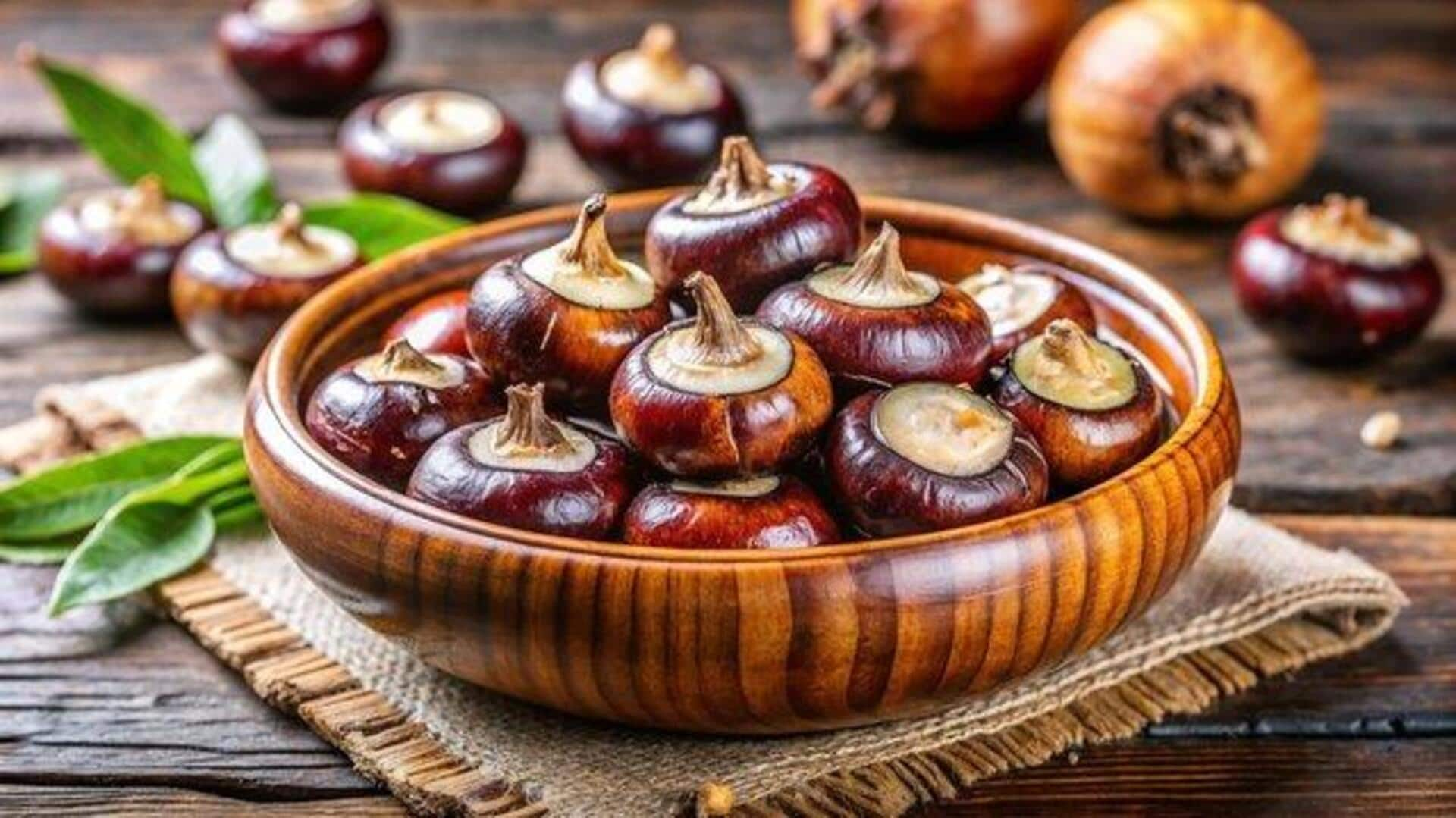
Water chestnut gardening: Tips, tricks, and more
What's the story
Water chestnuts are a unique aquatic vegetable that can be grown in home gardens, even in small spaces. With their crunchy texture and slightly sweet flavor, they are a great addition to various dishes. Growing water chestnuts at home is not only rewarding but also provides a fresh supply of this versatile ingredient. Here are some practical tips to help you grow water chestnuts successfully in your garden.
Tip 1
Choosing the right container
Selecting an appropriate container is crucial for growing water chestnuts.
A large, deep tub or pond liner works best as these plants require plenty of space for their roots to spread.
Ensure the container has a minimum depth of 12 inches to accommodate the plant's growth.
Also, make sure it has no drainage holes since water chestnuts need to be submerged in water.
Tip 2
Preparing the planting medium
To create an ideal planting medium, mix equal parts of topsoil and sand. This combination provides good drainage while retaining moisture, which is essential for water chestnut growth.
Fill your chosen container with this mixture until it's about three-quarters full before adding water.
The soil should be moist but not overly saturated.
Tip 3
Planting water chestnut seeds
Water chestnut seeds are usually available at garden centers or online stores during the planting season.
Plant each seed about two inches deep into the prepared soil mixture, spacing them about six inches apart from one another.
Once planted, cover them lightly with soil and gently water the surface to settle everything in place.
Tip 4
Maintaining optimal growing conditions
Water chestnuts thrive best under warm temperatures between 70 degrees Fahrenheit and 90 degrees Fahrenheit (21 degrees Celsius and 32 degrees Celsius).
Keep your container exposed to full sunlight for at least six hours daily to ensure optimal growth conditions are met throughout their growing period, which typically lasts from spring until fall when temperatures drop significantly.