Wheelchair basketball or seated volleyball: Which is more beneficial?
What's the story
Wheelchair basketball and seated volleyball are two popular adaptive sports that provide unique benefits to their players. While both sports promote physical activity and social interaction, they also offer distinct advantages in terms of physical fitness and mental well-being. This article explores the key benefits of each sport, giving insights into how they contribute to the overall health and happiness of participants.
#1
Enhancing upper body strength
Wheelchair basketball requires a lot of upper body strength, as players use their arms to propel themselves and shoot the ball.
This constant movement helps build muscle endurance and strength in the arms, shoulders, and back.
The sport also promotes cardiovascular health by keeping the heart rate up during fast-paced games.
Regular participation can lead to improved muscle tone and increased stamina.
#2
Improving hand-eye coordination
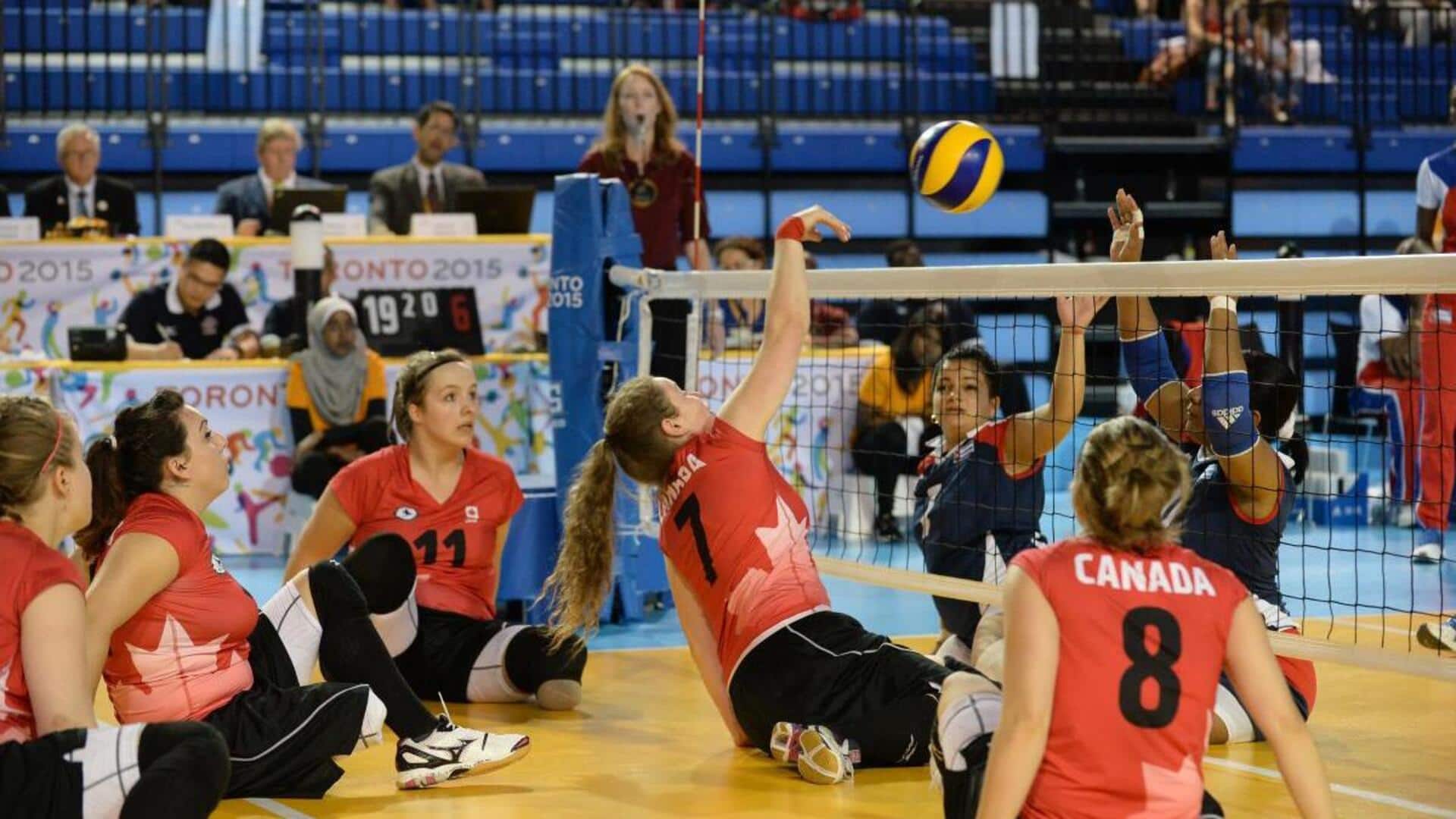
Seated volleyball demands high levels of hand-eye coordination as players aim to hit a ball over a net while seated.
This activity sharpens reflexes and improves fine motor skills, which are essential for daily activities outside the sport.
The need for precision in timing and movement helps develop better coordination over time, making it an excellent choice for those looking to enhance these skills.
#3
Fostering social connections
Both wheelchair basketball and seated volleyball provide opportunities for social interaction among players.
Team dynamics in both sports encourage communication, cooperation, and friendship-building.
These social connections can lead to improved mental health by reducing feelings of isolation or loneliness often experienced by individuals with mobility challenges.
#4
Boosting mental resilience
Engaging in competitive sports like wheelchair basketball or seated volleyball requires mental focus, strategic thinking, and quick decision-making under pressure.
These elements contribute significantly to boosting mental resilience among participants.
They learn how to cope with challenges effectively both on the court or field as well as in other aspects of life outside these activities.