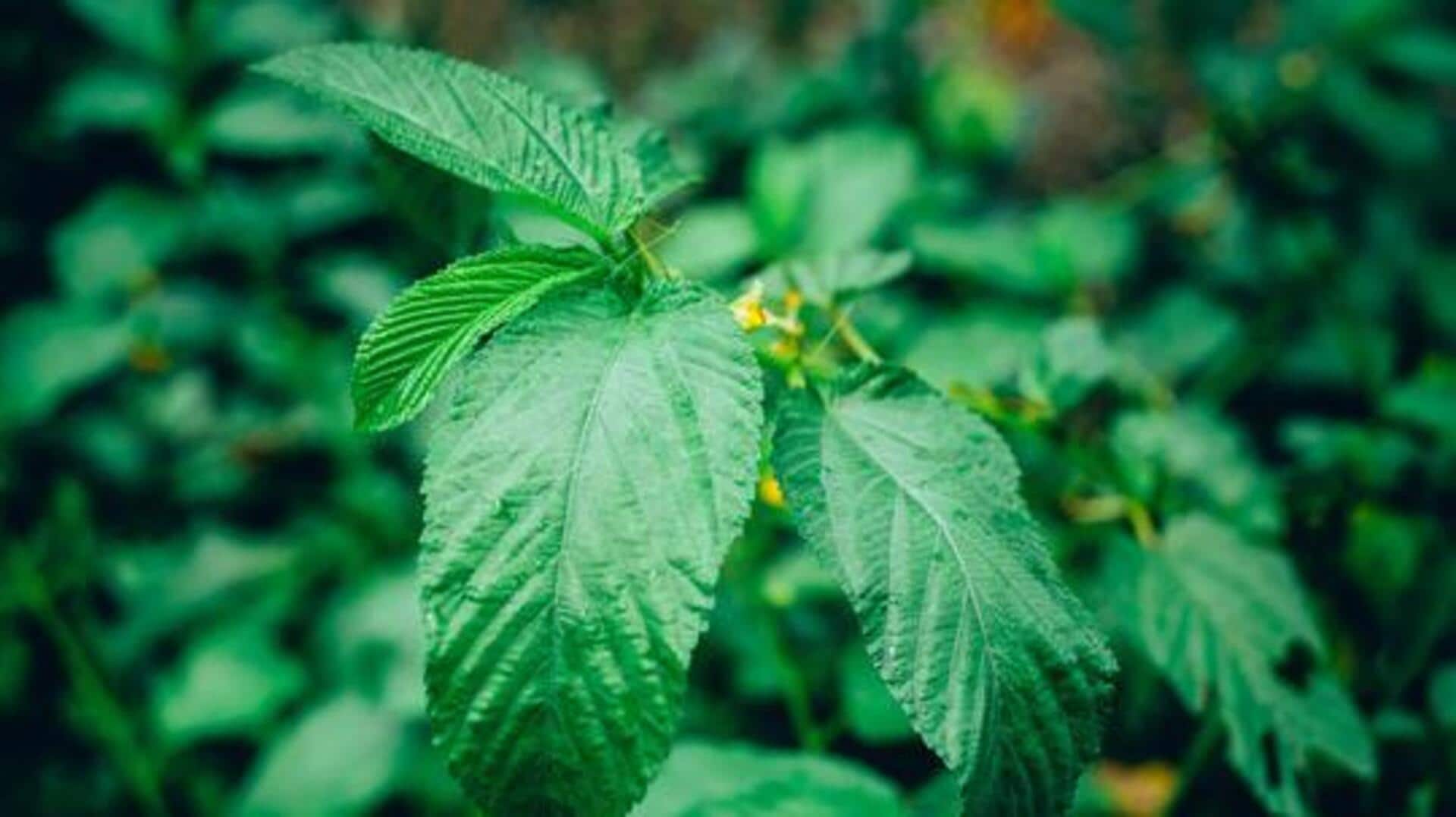
Why jute leaves are a staple in traditional diets
What's the story
African jute leaves, also known as corchorus, are a staple in many traditional diets across Africa. These leaves are packed with nutrients and have been used for centuries as a natural remedy and food source. They are rich in vitamins and minerals, making them an important part of the diet for many communities. Here are some reasons why African jute leaves are so important in traditional diets.
#1
Nutritional benefits of jute leaves
African jute leaves are loaded with essential nutrients, such as vitamins A and C, calcium, iron, and potassium. These nutrients are important for maintaining good health and well-being. The high vitamin A content helps keep your vision healthy, while vitamin C boosts the immune system. Calcium and iron are important for bone health and blood production, respectively.
#2
Culinary uses in traditional dishes
In many African cultures, jute leaves are cooked into soups or stews with other vegetables. They give a unique texture to dishes and also enhance their nutritional value. The mucilaginous property of jute leaves thickens soups naturally, without the need for additional thickeners. This makes them a versatile ingredient in various recipes.
#3
Medicinal properties of jute leaves
Beyond their culinary uses, African jute leaves are also known for their medicinal properties. They are believed to have anti-inflammatory effects and may help in digestion due to their high fiber content. Some studies suggest that jute leaf extracts may even have antioxidant properties that can help protect cells from damage.
#4
Economic importance of jute cultivation
Cultivating African jute also has economic benefits, especially for small-scale farmers. It provides a source of income through local markets where these nutritious greens are sold. The cultivation of jute can also contribute to sustainable agriculture practices by improving soil quality with its deep root system, which prevents erosion.