Why recycled art is gaining global attention
What's the story
African recycled art is becoming a favorite among modern collectors, thanks to its unique blend of creativity and sustainability. The art form, which uses discarded materials to create stunning pieces, is not just eco-friendly but also culturally rich. As collectors look for meaningful and impactful art, African recycled art offers a fresh perspective that resonates with contemporary values. Here is why this art form is becoming increasingly popular.
#1
Cultural significance in every piece
African recycled art is steeped in cultural significance, with each piece telling a story of tradition and innovation.
Artists often draw from their heritage, infusing their work with symbols and techniques passed down through generations.
This cultural depth appeals to collectors who value the historical context and narrative behind the artwork, allowing them to connect with diverse cultures and appreciate the artistry involved.
#2
Sustainability as a core value
The focus on sustainability is a major driver for modern collectors drawn to African recycled art.
By using discarded materials, artists contribute to reducing waste and promoting environmental awareness.
This aligns with the growing global emphasis on sustainability practices across various sectors, making such artworks more appealing to those who prioritize eco-friendly initiatives.
#3
Unique aesthetics attract attention
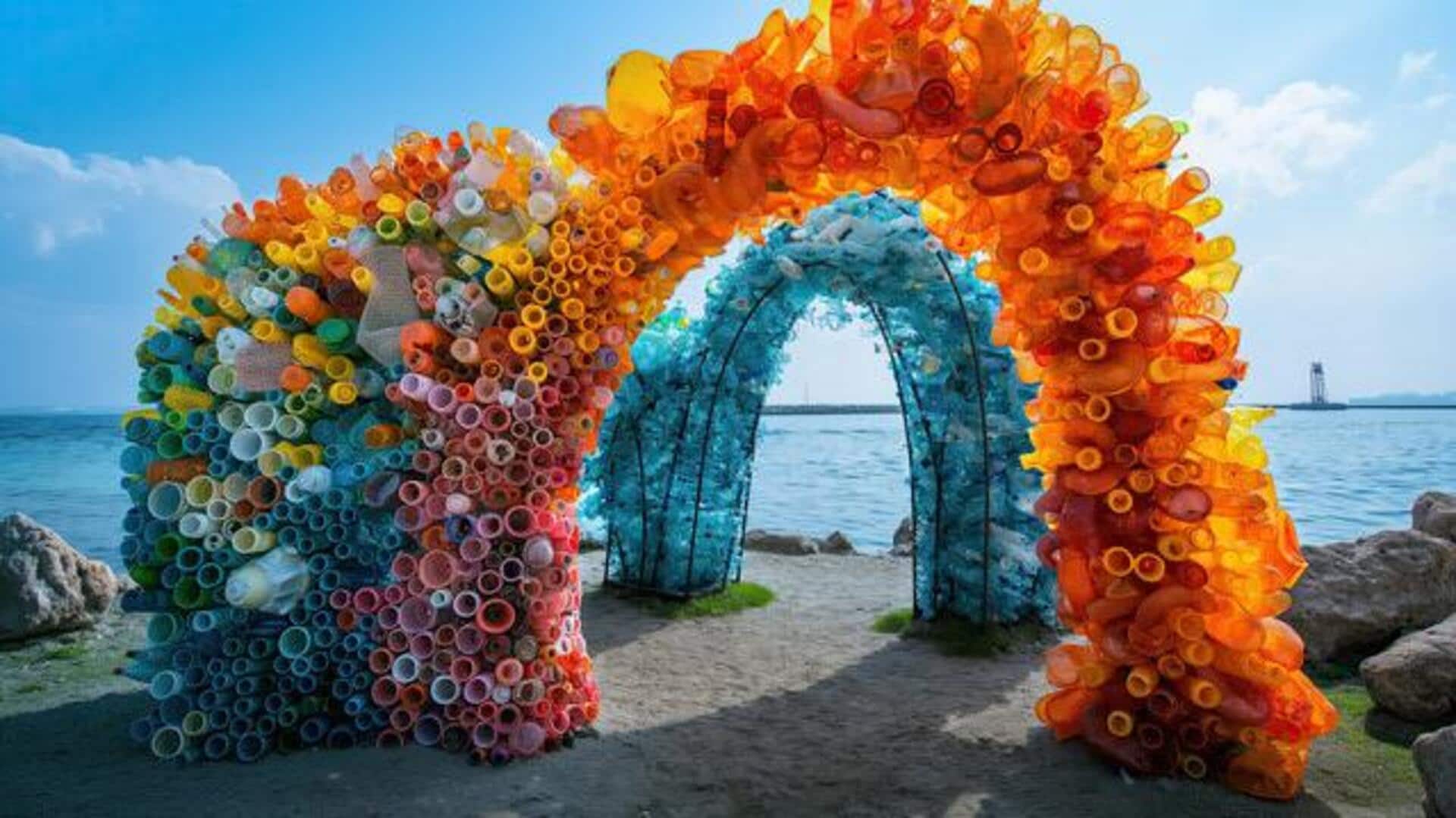
The aesthetic appeal of African recycled art lies in its vibrant colors, intricate designs, and innovative use of materials.
Each piece is unique due to the nature of its creation process, ensuring that collectors acquire one-of-a-kind works that stand out in any collection or space.
The visual impact these pieces have makes them attractive options for those seeking distinctive additions to their artistic repertoire.
#4
Supporting local communities through art sales
Purchasing African recycled art often supports local communities by providing income opportunities for artists working within these regions.
Many projects focus on fair trade practices, ensuring that creators receive fair compensation for their efforts, while encouraging economic development locally.
Collectors can feel good knowing their purchases contribute positively toward community empowerment efforts alongside acquiring beautiful works of art.