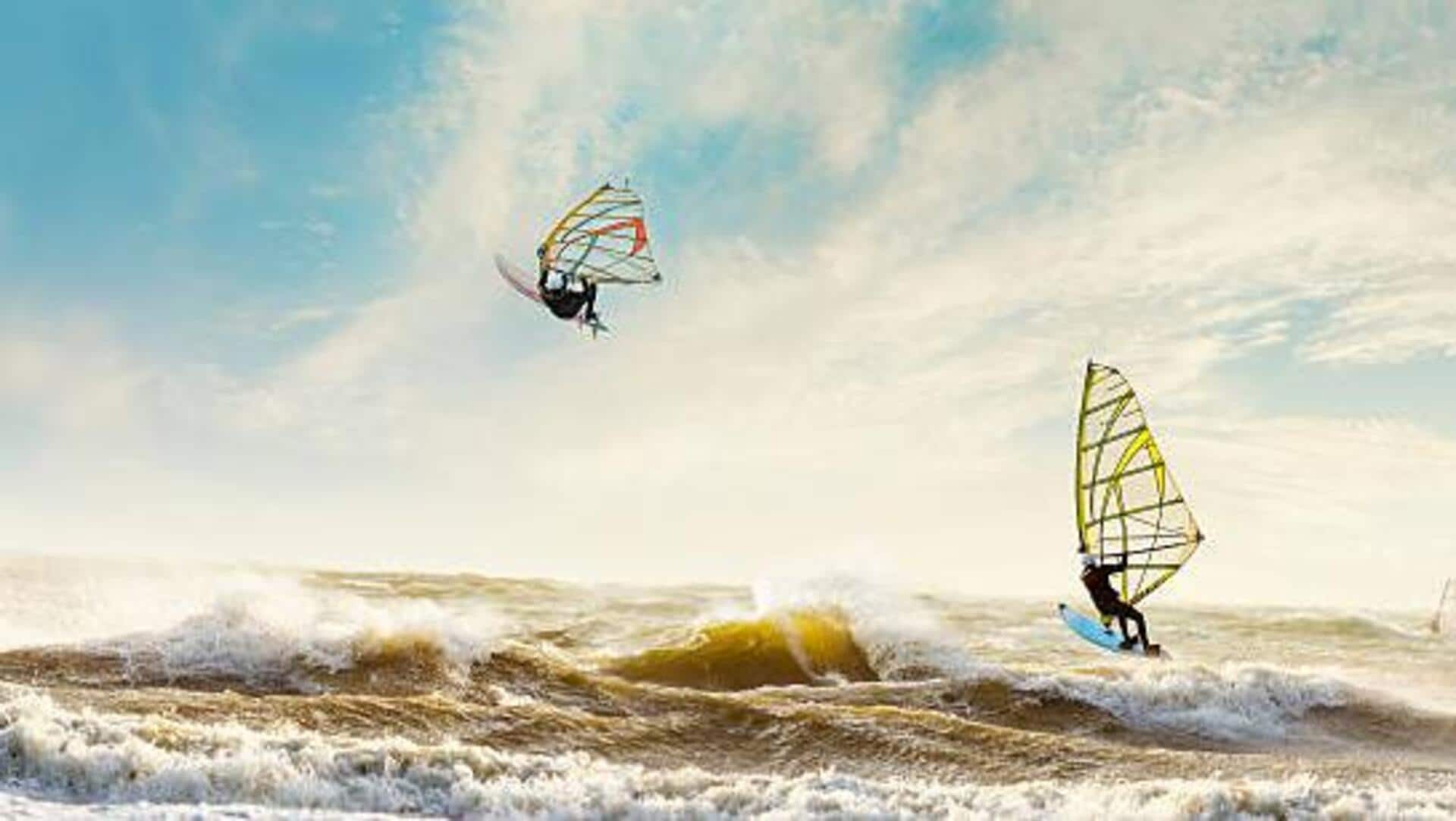
Skeleton Coast: The ultimate windsurfing destination
What's the story
The Skeleton Coast of Namibia is one of the most remote and rugged coastlines in the world. It is famous for its shipwrecks, towering dunes, and desolate beauty. For those looking for an adventure, windsurfing here is an exhilarating option. The winds are strong and consistent, making it a perfect spot for the sport. However, the remoteness and harsh conditions of the coast make it a unique challenge for wind surfers.
#1
Understanding the Skeleton Coast's allure
The Skeleton Coast has a mysterious allure, with its name coming from the remains of shipwrecks littered along its shores.
The area is sparsely populated, giving you a sense of isolation and adventure.
The landscape is a mix of sandy beaches, rocky outcrops, and expansive dunes.
This unique environment attracts adventurers looking for something different from traditional beach destinations.
#2
Ideal conditions for windsurfing
Wind conditions on the Skeleton Coast are perfect for windsurfing. The area experiences strong winds throughout most of the year, giving consistent conditions for surfers.
The waves are also manageable for both beginners and experienced surfers alike.
These factors make it an attractive destination for those looking to test their skills in challenging environments.
#3
Preparing for your adventure
Before heading out to windsurf on the Skeleton Coast, proper preparation is key.
Given the remoteness of the area, it is important to carry all necessary gear, including safety equipment and repair kits for your surfboard.
Also, knowing local weather patterns and tides will help you plan your sessions better.
It is also advisable to travel with a partner or guide who knows the area well.
#4
Safety measures on Skeleton Coast
Safety should always be a priority when windsurfing on Namibia's Skeleton Coast.
The remoteness means that help may not be readily available in case of an emergency, so it is best to stay within your limits and be aware of potential hazards, like sharp rocks or strong currents.
Keeping hydrated and protected from sun exposure is also important, given the region's climate conditions.