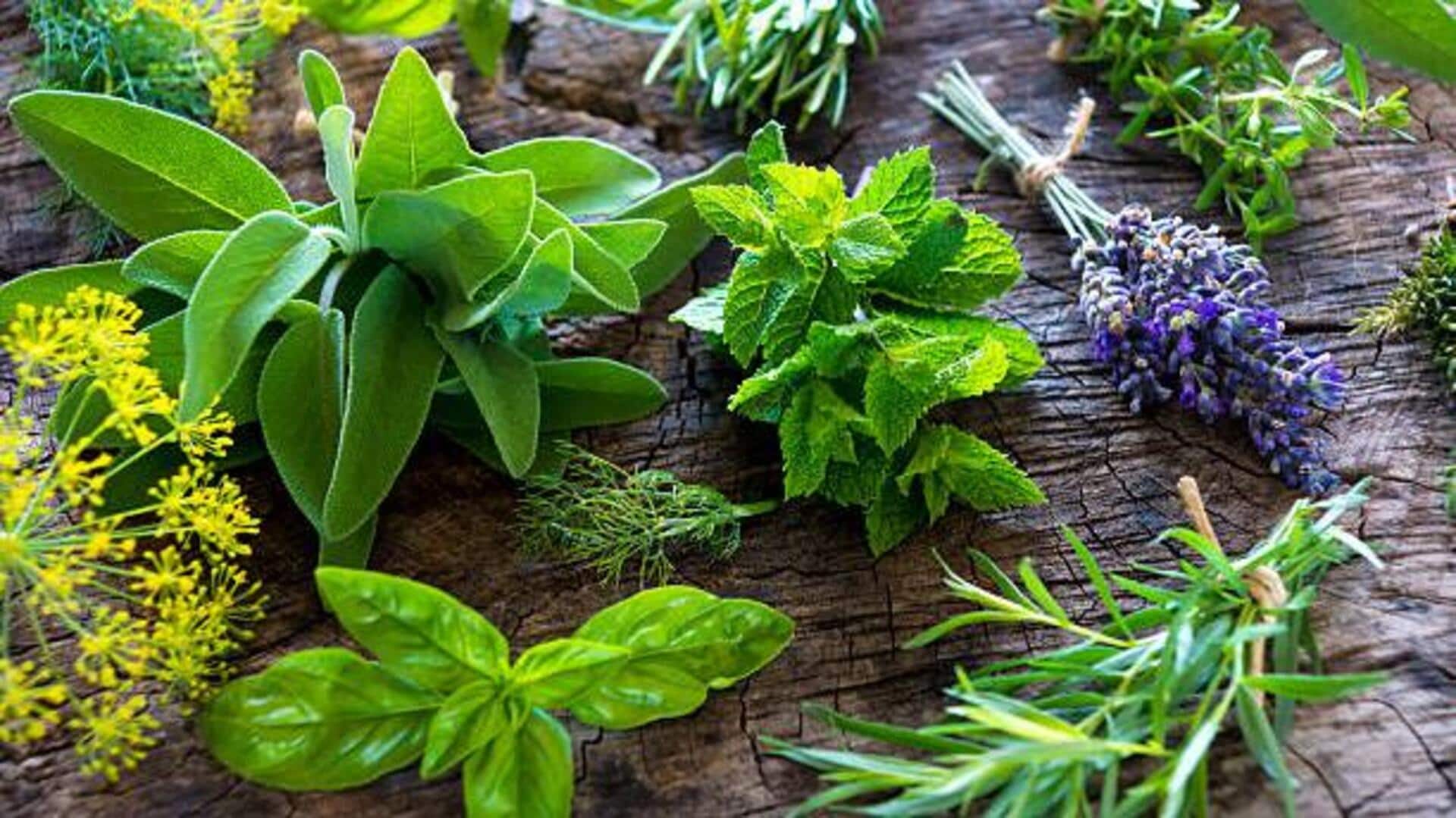
World Wildlife Day: 5 medicinal plants and their health benefits
What's the story
World Wildlife Day 2026 focuses on the theme "Medicinal and Aromatic Plants: Conserving Health, Heritage and Livelihoods." This theme draws attention to the connection between nature and human well-being. Across the world, medicinal plants form the foundation of traditional healing systems, support local economies, and preserve cultural knowledge. Let us explore five medicinal plants that continue to play a vital role in supporting health.
#1
Lemon balm
Lemon balm is a fragrant herb known for its calming properties.
Traditionally used to reduce stress and improve sleep, it also supports digestion and overall relaxation.
Grown in small farms and home gardens, lemon balm contributes to local herbal industries, providing income for rural communities while preserving traditional plant-based healing practices.
#2
Moringa
Moringa, often called a nutrient-rich super plant, supports immunity and fights malnutrition with its high vitamin and mineral content.
In many rural regions, moringa cultivation strengthens food security and provides livelihoods.
Its leaves, seeds, and pods are used in both nutrition and traditional medicine, showing how biodiversity directly supports human health and economic resilience.
#3
Aloe vera
Aloe vera is valued worldwide for treating burns, skin conditions, and digestive issues.
Its soothing gel has been used for centuries in traditional medicine systems.
Today, aloe-based products support herbal industries and small-scale farmers.
Protecting aloe species ensures continued access to natural skincare remedies while safeguarding plant resources for future generations.
#4
Turmeric
Turmeric plays a central role in traditional healing due to its anti-inflammatory and antioxidant properties.
Used in food, medicine, and cultural rituals, it connects health with heritage.
Turmeric farming supports agricultural communities and local markets.
Conserving such medicinal plants protects both biodiversity and the traditional knowledge passed down through generations.
#5
Neem
Neem is known for its antibacterial and antifungal qualities.
From herbal remedies to natural pesticides, neem supports sustainable living and eco-friendly farming.
It holds cultural significance in many communities and provides economic opportunities through herbal product industries.
Preserving neem trees contributes to environmental balance, public health, and rural livelihoods.